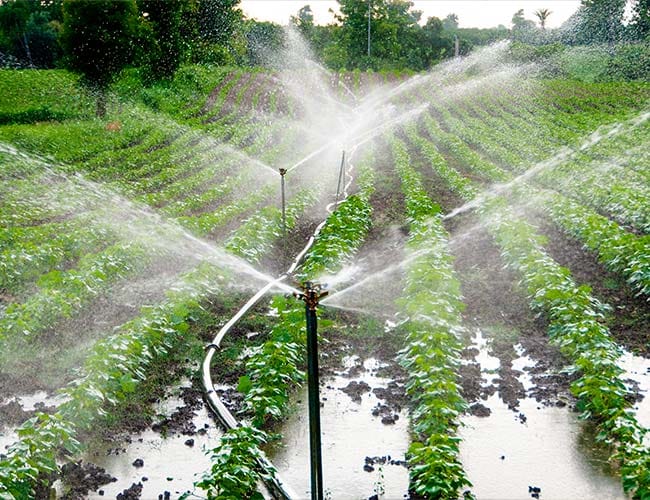
Welcome to our in-depth look at PE & HDPE pipes and how they are transforming water supply, construction, and agricultural projects. Before you dive in, stay connected with us for expert tips, industry insights, and practical solutions:
· Facebook – Join our community to ask questions and get the latest product updates
· Tiktok – Watch tutorials, installation guides, and project demonstrations
Let’s explore how high-performance plastic pipes can deliver efficiency, reliability, and long-term performance—read on to find out which solutions fit your project best!
Table of Contents
Key Takeaways
- Choose the correct hdpe irrigation pipe based on pressure, temperature, and soil conditions
- Proper installation methods prevent stress, cracking, and leaks
- Effective maintenance routines extend lifespan and reduce downtime
- Avoid common mistakes like UV exposure and incorrect fittings
- Compare hdpe irrigation pipe with other materials to understand its advantages
- Learn how to evaluate pipe quality and certifications
- Understand cost vs lifespan to make better investment decisions
- FAQ section answers common Google-style questions about hdpe irrigation pipe
An Attractive Intro That Hooks the Reader
When it comes to modern irrigation, the difference between a thriving farm and a failed system often comes down to one element: the quality and management of the irrigation pipe. Among all available options, hdpe irrigation pipe has become a global standard because it combines durability, flexibility, and cost efficiency. Yet, even the best pipe can fail if installed incorrectly, exposed to harsh conditions, or poorly maintained.
If you want your irrigation system to run smoothly for decades, you must understand not only what hdpe irrigation pipe is, but also how to select, install, protect, and maintain it. This guide will help you achieve long-lasting performance with practical tips, real-world data, and expert insights.
What Makes HDPE Irrigation Pipe Unique?
A quick definition
HDPE irrigation pipe stands for High-Density Polyethylene irrigation pipe. It is widely used in agricultural irrigation, landscaping, and municipal water systems because of its:
- High tensile strength
- Excellent chemical resistance
- High flexibility
- Long service life
- Easy installation
Why HDPE is a top choice
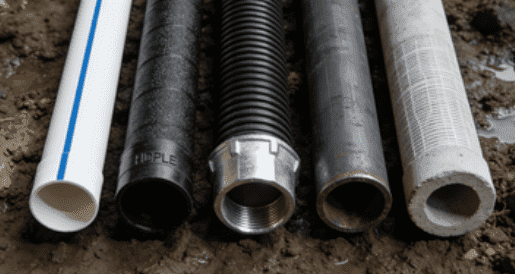
Compared to traditional materials like PVC, concrete, or metal, hdpe irrigation pipe offers superior resistance to corrosion, chemicals, and ground movement. In many regions, it has become the default choice for long-term irrigation systems.
Tip 1: Choose the Right HDPE Irrigation Pipe for Your System
Understand pressure rating and pipe size
The pressure rating of hdpe irrigation pipe is usually expressed as PN (Pressure Nominal). Common ratings include:
- PN6 (low pressure)
- PN10 (medium pressure)
- PN16 (high pressure)
- PN20 (very high pressure)
If your system’s maximum pressure exceeds the pipe’s rating, leaks or bursts can occur. For most agricultural systems, PN10 or PN16 is standard, but high-pressure systems may require PN20 or higher.
Choose the correct pipe diameter
Pipe diameter directly affects flow rate and water pressure. Choosing a pipe that is too small will cause:
- Increased friction loss
- Lower water flow
- Higher pump energy consumption
A general guideline is:
- Small farms: 25–63mm
- Medium farms: 75–110mm
- Large irrigation networks: 125–315mm
Consider soil and climate conditions
The environment where hdpe irrigation pipe is installed affects its longevity. For example:
- Rocky soil may cause abrasion
- Sandy soil may require more bedding protection
- Cold climates require freeze-resistant installation
Tip 2: Install HDPE Irrigation Pipe Correctly
Proper trench and bedding are essential
Installation quality determines whether your hdpe irrigation pipe will last 20 years or only 5 years. Proper trench depth and bedding reduce pipe movement and stress.
A good trench design includes:
- Trench depth based on pipe diameter
- Bedding of sand or fine soil
- Backfill with compacted material
- Avoid sharp rocks or debris
Avoid excessive bending
Although hdpe irrigation pipe is flexible, excessive bending creates weak spots and potential kinks. Use gradual curves and proper fittings to prevent pipe stress.
Use correct joining methods
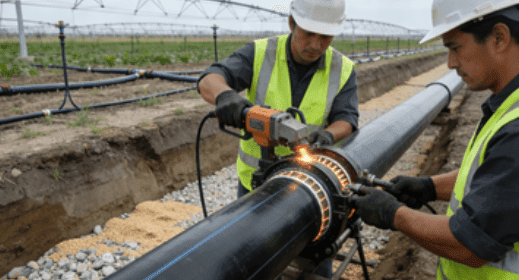
There are two main joining methods for hdpe irrigation pipe:
- Electrofusion welding
- Butt fusion welding
Both methods require trained technicians and proper equipment. Poor joints are the leading cause of leaks in HDPE systems.
Tip 3: Protect HDPE Irrigation Pipe from External Damage
Shield from UV exposure
HDPE is UV resistant, but prolonged exposure can still degrade the material. To protect hdpe irrigation pipe:
- Bury pipes where possible
- Use protective coverings
- Avoid long-term direct sunlight
Prevent physical damage
Heavy machinery, sharp tools, and construction activities can crack or deform hdpe irrigation pipe. Avoid:
- Driving vehicles over buried pipes
- Using sharp tools near pipe lines
- Storing heavy equipment on top of pipelines
Monitor soil movement
Soil shifting due to rain, erosion, or construction can stress pipes. Regular inspection helps identify early displacement.
Tip 4: Maintain Your HDPE Irrigation Pipe System Regularly
Regular inspections reduce failure risk
Inspect joints, fittings, and pipe surfaces regularly. Look for:
- Small leaks
- Deformations
- Stress marks
- Discoloration
Early detection prevents large failures.
Flush the system to prevent clogging
Sediment and mineral deposits can accumulate inside hdpe irrigation pipe, causing reduced flow and pressure loss. Flushing helps maintain performance.
Maintain water quality
Water quality impacts pipe longevity. High mineral content or chemicals can cause scale buildup and reduce efficiency. Use filtration systems where needed.
Compare HDPE Irrigation Pipe vs Other Materials
HDPE vs PVC
| Feature | HDPE Irrigation Pipe | PVC Pipe |
|---|---|---|
| Flexibility | High | Low |
| UV resistance | Good | Moderate |
| Corrosion resistance | Excellent | Good |
| Installation | Easy | Moderate |
| Lifespan | 20–50 years | 15–30 years |
HDPE vs Metal Pipe
| Feature | HDPE Irrigation Pipe | Metal Pipe |
|---|---|---|
| Corrosion resistance | Excellent | Poor |
| Weight | Light | Heavy |
| Maintenance | Low | High |
| Cost | Moderate | High |
| Lifespan | 20–50 years | 10–20 years |
Real Data: Why HDPE Is Trusted Worldwide
According to multiple industry reports and engineering studies, hdpe irrigation pipe is considered one of the most durable irrigation materials. Some real-world data includes:
- Expected service life: 20–50 years
- Temperature range: -40°C to +60°C
- Tensile strength: ≥ 20 MPa (depending on grade)
- Density: 0.94–0.96 g/cm³
These values make hdpe irrigation pipe suitable for long-term irrigation systems and harsh environments.
Expert Opinions on HDPE Irrigation Pipe
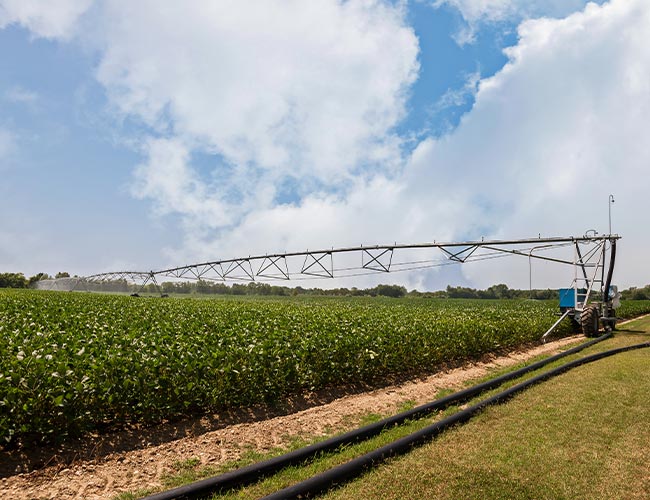
Industry experts, including agricultural engineers and irrigation specialists, often recommend HDPE for its long-term reliability:
“HDPE irrigation pipe offers superior durability and flexibility compared to PVC or metal systems. It reduces maintenance and improves long-term system performance.”
— Dr. Michael Turner, Irrigation Systems Engineer
“For agricultural applications, HDPE is the most cost-effective choice when considering installation, maintenance, and lifespan.”
— Professor Linda Chen, Agricultural Engineering Department
Cost vs Lifespan: Why HDPE Is a Smart Investment
When evaluating hdpe irrigation pipe, many farmers and irrigation managers focus only on upfront costs. However, the true value of a pipeline system lies in total lifecycle cost, which includes installation, maintenance, downtime, and replacement frequency. In the long run, the most economical option is often not the cheapest at purchase, but the one that delivers consistent performance with minimal repair needs.
Why upfront cost is misleading
Many irrigation systems fail not because the pipe material is poor, but because the budget only covers short-term expenses. A PVC system might cost 20%–30% less at the start, but it often requires more frequent maintenance, joint repairs, and replacement after 10–15 years. By contrast, hdpe irrigation pipe typically lasts longer and is less prone to corrosion or joint failures.
Total lifecycle cost comparison
A typical cost comparison of irrigation pipes shows the real advantage of HDPE:
- PVC pipe:
- Lower initial price
- Higher risk of joint failure
- More frequent replacement
- Higher maintenance and labor cost
- HDPE pipe:
- Moderate initial cost
- Fewer joint leaks
- Longer service life
- Lower long-term maintenance
How lifespan translates into savings
Assuming a 20-year irrigation plan, HDPE pipe’s lower failure rate can reduce total cost by 20%–40% compared with PVC in many cases. The savings come from:
- Fewer repairs and labor costs
- Less downtime during the irrigation season
- Reduced water loss due to leaks
- Lower risk of crop damage due to irrigation failure
Real-world example
A mid-sized farm using a PVC pipeline may experience 3–5 joint leaks per year, while a properly installed HDPE system may only need maintenance once every 2–3 years. Over time, this difference adds up to substantial savings in labor and water loss, not to mention the improved reliability during critical growing periods.
Summary
If your irrigation system is intended to last 20 years or more, hdpe irrigation pipe is often the best value. It may not be the cheapest at purchase, but it offers the lowest total cost of ownership due to its durability, flexibility, and low maintenance requirements.
Common Installation Mistakes to Avoid
Proper installation is the foundation of a long-lasting hdpe irrigation pipe system. Even the best quality pipe will fail prematurely if installed incorrectly. Below are some of the most common mistakes and how to avoid them.
Mistake: Using wrong fittings
Incorrect fittings are one of the most frequent causes of leaks and system failure.
- Incorrect diameter: Even a small mismatch in diameter can create stress points and cause leakage.
- Wrong pressure rating: Fittings must match the pipe’s pressure class (PN rating).
- Incompatible materials: Mixing incompatible materials (e.g., using non-HDPE fittings) increases failure risk.
Best practice: Always use fittings that match the pipe’s material, pressure rating, and diameter. If using electrofusion or butt fusion, ensure the technician is trained and certified.
Mistake: Not compacting soil properly
Improper backfilling is another leading cause of pipe failure. If the soil is not compacted properly, the pipe may shift or sag, causing stress points and eventual cracks.
- Loose soil allows pipe movement
- Heavy loads can create pressure points
- Rocky backfill can cause abrasion and punctures
Best practice: Use sand or fine soil as bedding, and compact the backfill evenly to reduce pipe movement.
Mistake: Ignoring water quality
Water quality is often overlooked, but it directly affects pipe performance and lifespan.
- Hard water leads to scale buildup inside pipes
- High mineral content can reduce flow efficiency
- Chemical contamination can damage pipe integrity over time
Best practice: Install filtration systems where water quality is poor, and periodically flush the system to remove deposits.
Mistake: Excessive bending and sharp turns
HDPE is flexible, but sharp bends create stress and reduce pressure capacity.
- Sharp bends cause pipe kinking
- Kinks lead to restricted flow and pressure loss
- Over time, stress can cause micro-cracks
Best practice: Use gradual curves and appropriate fittings. Avoid forcing the pipe into tight bends.
Mistake: Lack of protection against UV and weather
Although HDPE has good UV resistance, long-term exposure can still cause material degradation.
- Direct sunlight for years can lead to surface aging
- Thermal expansion and contraction cause stress
Best practice: Bury the pipe where possible or use UV protective covers in exposed areas.
Practical Maintenance Checklist
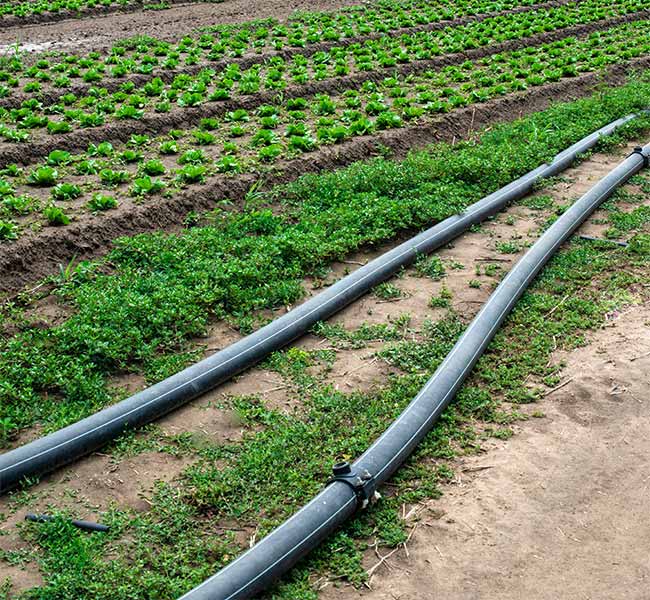
A well-maintained hdpe irrigation pipe system can last 20–50 years. Maintenance is not complicated, but it must be consistent. Here’s a practical checklist that can help you maximize pipe lifespan and reduce failures.
Monthly inspection
Regular visual inspection helps identify early signs of damage.
- Look for visible cracks or deformities
- Check for unusual bulges or discoloration
- Ensure fittings are tight and stable
Check joints after heavy rainfall
Heavy rainfall can cause soil erosion or shifting, which affects buried pipes.
- Inspect key junctions
- Look for signs of soil movement
- Confirm that joints remain aligned
Flush system every 3–6 months
Flushing removes sediment, sand, and mineral deposits that reduce flow efficiency.
- Flush at high flow rate
- Use clean water to avoid introducing debris
- Monitor pressure before and after flushing
Use filters for hard water
If water contains high mineral content, filtration reduces buildup and improves system performance.
- Install pre-filter systems
- Replace filters regularly
- Monitor water hardness
Repair small leaks immediately
Small leaks may seem insignificant but can lead to major issues over time.
- Replace damaged sections promptly
- Use proper fusion welding or fittings
- Document repairs for future maintenance
Annual system review
Once a year, conduct a more comprehensive review.
- Check pressure consistency
- Evaluate system efficiency
- Replace aging sections proactively
A Final Note on Sustainability and Efficiency
HDPE irrigation pipe not only improves system reliability but also contributes to water efficiency and sustainability. A well-designed HDPE system can reduce water loss, improve distribution uniformity, and help conserve resources.
FAQ
What is the best pressure rating for HDPE irrigation pipe?
For most agricultural systems, PN10 or PN16 is suitable. High-pressure systems may require PN20.
Can HDPE irrigation pipe handle hot water?
HDPE is designed for cold to moderate temperatures. Hot water may soften the pipe and reduce strength.
How long does HDPE irrigation pipe last?
With proper installation and maintenance, hdpe irrigation pipe can last 20–50 years.
Why is my HDPE pipe leaking at the joints?
Leaks often occur due to poor fusion welding or incompatible fittings. Ensure proper joining techniques.
How can I prevent pipe damage in winter?
Drain the system before freezing temperatures and use insulation where needed.
Can I bury HDPE irrigation pipe?
Yes. Buried installations protect against UV exposure and physical damage, but must use proper bedding and backfill.
Is HDPE pipe safe for drinking water?
Yes, certified HDPE pipe can be safe for potable water, but always check certifications and standards.
What causes HDPE pipe to crack?
Common causes include excessive pressure, physical impact, UV exposure, and poor installation.