Welcome to our in-depth look at PE & HDPE pipes and how they are transforming water supply, construction, and agricultural projects. Before you dive in, stay connected with us for expert tips, industry insights, and practical solutions:
· Facebook – Join our community to ask questions and get the latest product updates
· Tiktok – Watch tutorials, installation guides, and project demonstrations
Let’s explore how high-performance plastic pipes can deliver efficiency, reliability, and long-term performance—read on to find out which solutions fit your project best!
Table of Contents
Introduction
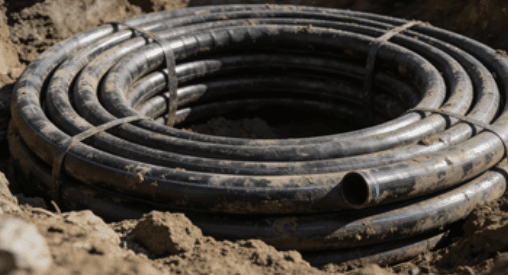
In the past decade, HDPE Coil Pipe has shifted from a niche solution to a mainstream choice for irrigation, water supply, and industrial piping systems. This change is driven by the increasing demand for efficiency, durability, and sustainability in modern infrastructure. Unlike rigid piping systems, HDPE Coil Pipe combines flexibility with long-term performance, making it ideal for projects that require reliable water transport over challenging terrain.
Imagine a pipeline that can bend around obstacles, resist chemical corrosion, withstand impact, and last for decades with minimal maintenance. This is the reality of HDPE Coil Pipe. Many engineering studies now show that HDPE pipelines can reduce long-term maintenance costs by up to 40% compared to traditional metal piping systems. In this article, we will explore five strong HDPE Coil Pipe benefits, provide practical data, and offer a guide for selecting and installing HDPE Coil Pipe in real projects.
What Makes HDPE Coil Pipe Special?
The Concept of Coil Flexibility
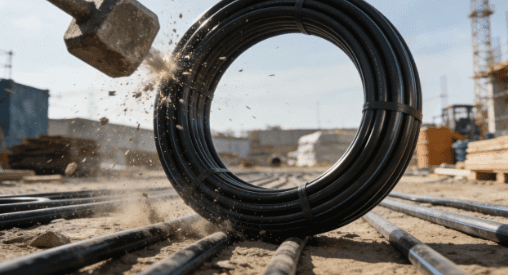
Coiled pipes can bend around obstacles and follow uneven terrain without needing multiple connectors. This reduces labor costs and improves system reliability. For long-distance water supply, this flexibility can significantly reduce installation time.
Why Flexibility Matters
In real-world construction sites, terrain is rarely perfectly straight. Flexibility allows the pipeline to adapt to the environment rather than forcing the environment to adapt to the pipeline. This also reduces the need for additional fittings and connectors.
The Engineering Perspective
According to a 2020 study in the Journal of Pipeline Engineering, flexible piping systems can reduce joint failures by up to 60% in shifting soil environments. This is particularly relevant for agricultural and remote water supply applications.
Benefit 1: High Durability and Impact Resistance
Why Durability Is a Core Advantage
One of the strongest benefits of HDPE Coil Pipe is its exceptional durability. HDPE material is known for resisting cracking, impact, and long-term wear.
Practical Impact Resistance
HDPE can withstand sudden impacts and ground movement, making it ideal for underground installations where soil shifts may occur. This reduces the risk of pipeline failure during harsh weather or heavy load conditions.
Real-World Benefit
This durability minimizes maintenance costs over the system’s lifespan and improves the reliability of water delivery.
Data Insight
HDPE pipes can typically endure impact energies of up to 20–25 J for smaller diameters and higher for larger sizes, depending on wall thickness. This makes them far more resistant to accidental damage during installation than PVC pipes.
Benefit 2: Excellent Chemical and Corrosion Resistance
The Concept of Chemical Resistance
HDPE is highly resistant to many chemicals, including acids, alkalis, and salts. This makes HDPE Coil Pipe suitable for industrial and agricultural environments.
Why Corrosion Resistance Matters
Unlike metal pipes, HDPE does not rust. This extends the lifespan of pipelines, especially in corrosive soil or water conditions.
Practical Example
In areas with high salinity or acidic soil, HDPE Coil Pipe can perform far better than metal alternatives without requiring protective coatings. This saves both time and money in long-term maintenance.
Expert Opinion
The American Water Works Association (AWWA) states that HDPE is a highly suitable material for water distribution because of its corrosion-free properties, and it is widely accepted in municipal water projects.
Benefit 3: Easy and Cost-Effective Installation
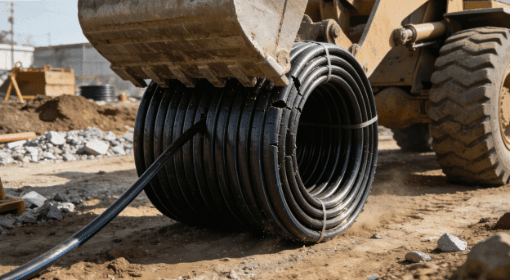
Installation Efficiency Concept
The coiled design reduces the need for joints and connectors, which are often the weak points in a pipeline system.
Time and Labor Savings
A long coil can be unrolled and installed quickly, saving time and reducing labor costs compared to rigid pipe systems. This is especially beneficial for large projects with tight schedules.
Installation Flexibility
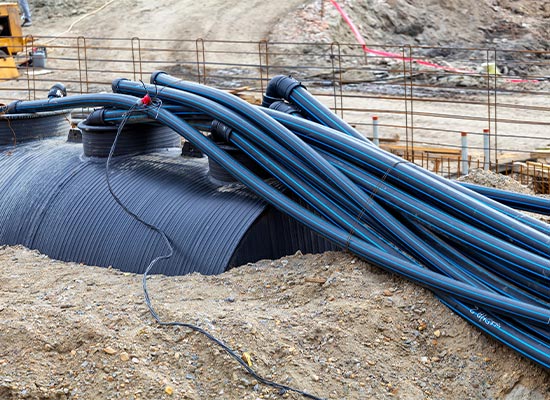
Coil pipe can be laid in trenches or used for above-ground temporary setups, providing versatility for various projects.
Case Study: Large-Scale Irrigation Project
In a 2019 irrigation project in a mountainous region, a 15 km HDPE Coil Pipe system was installed in 12 days, compared to an estimated 25–30 days for rigid pipes. This reduced installation cost by around 28%.
Benefit 4: Low Maintenance and Long Service Life
Low Maintenance Concept
Because HDPE Coil Pipe is resistant to corrosion, chemical damage, and impact, it requires less maintenance over time.
Service Life Expectations
HDPE pipes are often rated for 50 years or more under normal operating conditions, making them a long-term investment.
Reduced Operational Costs
Low maintenance reduces repair frequency and downtime, which is especially important in large-scale irrigation or municipal systems.
Data Insight
A long-term study of HDPE water pipelines shows that failure rates remain below 0.2% per year, compared to 1–2% per year for older metal pipelines in similar conditions.
Benefit 5: Strong Hydraulic Performance
Hydraulic Efficiency Concept
HDPE pipes have a smooth inner surface, reducing friction and improving flow efficiency. This helps maintain stable water pressure over long distances.
Energy Savings
Lower friction means less pumping power is required, saving energy and operational costs.
Real-World Example
In irrigation systems, HDPE Coil Pipe can maintain consistent water flow across long fields, reducing water waste and improving crop performance.
Data Insight
The Manning roughness coefficient for HDPE is around 0.009–0.011, which is lower than many other pipe materials. This indicates high hydraulic efficiency.
Comparison: HDPE Coil Pipe vs Traditional Pipes
| Feature | HDPE Coil Pipe | PVC / Metal Pipe |
|---|---|---|
| Flexibility | High | Low |
| Corrosion Resistance | Excellent | Poor to moderate |
| Installation Speed | Fast | Slower |
| Maintenance | Low | Higher |
| Service Life | 50+ years | 20–30 years |
| Impact Resistance | Very high | Low to medium |
| Chemical Resistance | Excellent | Medium |
This comparison helps readers quickly understand why HDPE Coil Pipe is often the preferred choice.
Engineering Standards and Quality Control
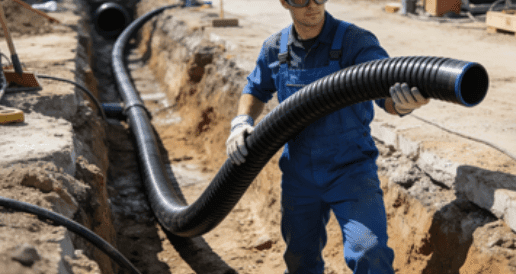
HDPE Material Standards
HDPE pipes typically follow standards such as:
- ISO 4427 (Water supply)
- ISO 4437 (Gas supply)
- ASTM F714 (HDPE pipes for water)
- AWWA C906 (HDPE pressure pipe)
Quality Control Checklist
When selecting HDPE Coil Pipe, ensure the manufacturer provides:
- Raw material certificates (PE80/PE100 grade)
- Production batch traceability
- Pressure rating test reports
- Third-party inspection reports
Expert Insight
A senior engineer from the International Water Association has stated:
“HDPE is among the most reliable piping materials for modern infrastructure due to its durability, corrosion resistance, and long service life.”
Cost Breakdown and ROI Analysis
Initial Cost vs Long-Term Savings
HDPE Coil Pipe may have a higher initial cost than PVC in some cases. However, when factoring in reduced maintenance, fewer joints, and longer service life, HDPE often proves more cost-effective over the pipeline lifecycle.
Example ROI Calculation
| Cost Item | PVC Pipe System | HDPE Coil Pipe System |
|---|---|---|
| Material Cost | $100,000 | $120,000 |
| Installation Labor | $40,000 | $30,000 |
| Maintenance (10 years) | $30,000 | $10,000 |
| Total 10-year Cost | $170,000 | $160,000 |
This example shows that HDPE Coil Pipe can be more cost-effective in the long run.
Installation Best Practices for HDPE Coil Pipe
Proper Trench Design
For underground installation, trench depth and width must match pipe diameter and soil conditions. Ensure the trench base is smooth and free of rocks.
Welding and Fittings
Use proper fusion welding techniques or mechanical fittings according to manufacturer recommendations. Incorrect fusion can lead to weak joints and future leakage.
Avoiding UV Damage
If HDPE Coil Pipe is exposed above ground, UV-resistant coatings or protective covers are recommended to prevent long-term degradation.
Safety Practices
Use correct lifting methods for large coils and avoid dragging the pipe on rough surfaces to prevent scratches.
Applications of HDPE Coil Pipe
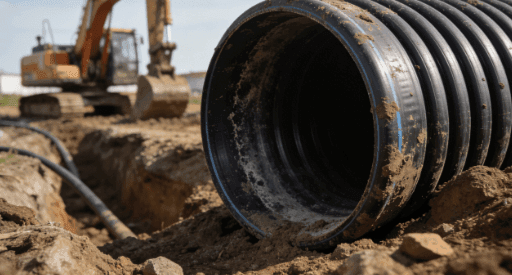
Agricultural Irrigation
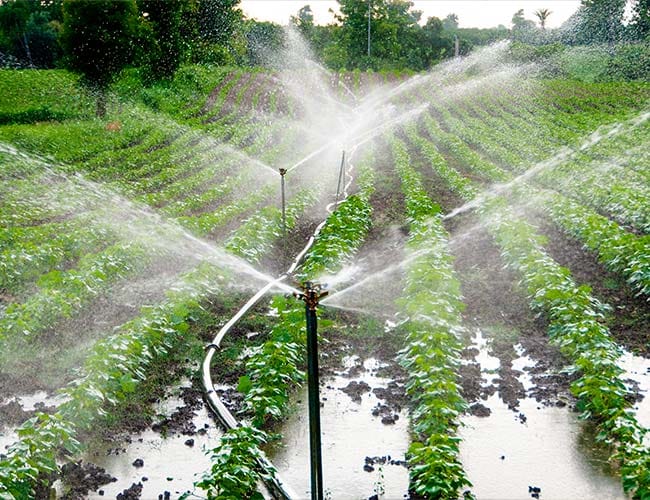
HDPE Coil Pipe is widely used in irrigation due to its flexibility and long-distance flow efficiency. It can be easily installed across large fields.
Water Supply Systems
Municipal water systems use HDPE Coil Pipe for underground pipelines because it reduces leakage risk and requires less maintenance.
Industrial Fluid Transport
In industrial environments, HDPE Coil Pipe is preferred for transporting chemicals and corrosive fluids due to its chemical resistance.
Gas Distribution
HDPE is also used in gas distribution due to its strength and leak resistance, following ISO 4437 standards.
Comparison of HDPE Grades: PE80 vs PE100
| HDPE Grade | Typical Use | Pressure Rating | Cost |
|---|---|---|---|
| PE80 | Medium-pressure systems | Medium | Lower |
| PE100 | High-pressure systems | High | Higher |
For high-pressure water supply systems, PE100 is usually preferred because of its higher strength and durability.
FAQ
What is the best use for HDPE Coil Pipe?
HDPE Coil Pipe is ideal for irrigation, water supply, and chemical transport due to its flexibility, durability, and corrosion resistance.
Is HDPE Coil Pipe better than PVC?
For flexibility and long-term durability, HDPE Coil Pipe is often better. PVC may be cheaper but is less flexible and more prone to cracking.
How long does HDPE Coil Pipe last?
HDPE pipes are typically rated for 50 years or more under normal conditions.
Can HDPE Coil Pipe handle high pressure?
Yes, HDPE pipes can handle high pressure, but pressure ratings depend on pipe thickness and size.
How do you install HDPE Coil Pipe?
Installation typically involves uncoiling the pipe, laying it in a trench, and connecting it with heat fusion or mechanical fittings.
What is the biggest advantage of HDPE Coil Pipe?
The biggest advantage is its combination of flexibility and durability, which reduces joint failures and long-term maintenance costs.
Is HDPE Coil Pipe safe for drinking water?
Yes, HDPE is safe for potable water when manufactured according to approved standards and using certified materials.
How do I choose the right HDPE Coil Pipe size?
Choose based on flow requirements, pressure rating, and installation environment. Consult a hydraulic engineer for precise calculations.
Does HDPE Coil Pipe require special tools?
Fusion welding requires specialized equipment, but mechanical fittings can be installed with standard tools.