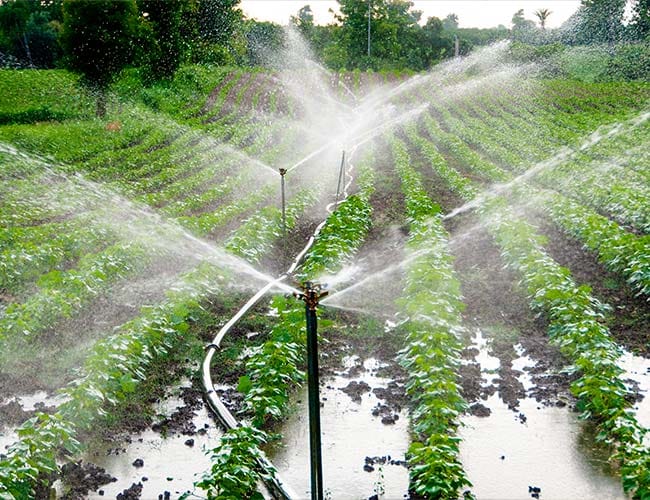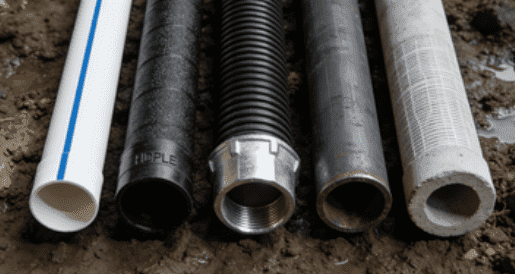
Welcome to our in-depth look at PE & HDPE pipes and how they are transforming water supply, construction, and agricultural projects. Before you dive in, stay connected with us for expert tips, industry insights, and practical solutions:
· Facebook – Join our community to ask questions and get the latest product updates
· Tiktok – Watch tutorials, installation guides, and project demonstrations
Let’s explore how high-performance plastic pipes can deliver efficiency, reliability, and long-term performance—read on to find out which solutions fit your project best!
Table of Contents
Introduction
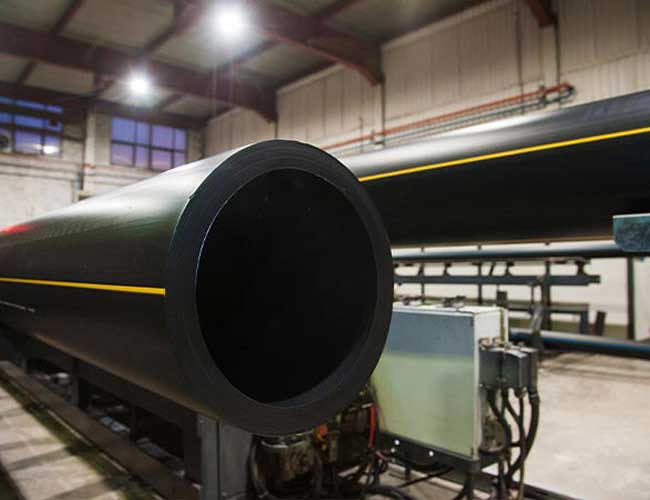
When it comes to modern plumbing, the choice of piping material can dramatically affect durability, efficiency, and long-term cost. Homeowners, builders, and engineers often face a critical decision: PEX vs HDPE. While both materials are popular for water supply and plumbing systems, they each have unique advantages, drawbacks, and ideal applications.
In this article, we will explore 6 powerful benefits of PEX and HDPE pipes, supported by real-world data, industry insights, and expert recommendations. You’ll learn how to select the right pipe for your project, minimize maintenance costs, and ensure safe, long-lasting plumbing systems.
Key Takeaways:
- Durability and chemical resistance of PEX and HDPE
- Flexibility, installation ease, and labor cost reduction
- Cost-effectiveness in residential and industrial applications
- Environmental and safety considerations
- Applications, expert recommendations, and case studies
- FAQ and practical tips for selecting the right piping system
1. Exceptional Durability and Longevity
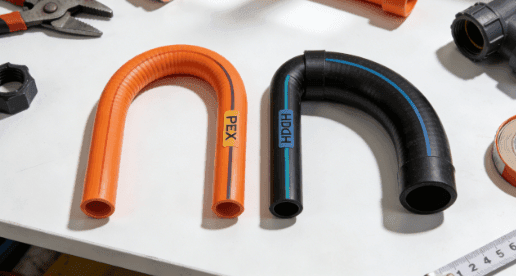
PEX Pipe Durability
PEX pipes are widely recognized for their exceptional resistance to corrosion, scaling, and freeze damage. Unlike traditional copper or steel pipes, PEX remains impervious to rust, ensuring consistent performance over decades. This makes it a top choice for both residential and commercial plumbing.
- PEX can withstand extreme temperatures ranging from -40°C to 95°C, making it suitable for both hot and cold water systems.
- Resistant to common household chemicals, including chlorine-treated water, which often accelerates corrosion in metal pipes.
- Low likelihood of pinhole leaks or deterioration over long-term use, reducing the need for maintenance.
Industry Insight: According to the Plastic Pipe Institute, PEX pipes maintain full performance for over 50 years in both residential and commercial applications, proving their reliability for long-term infrastructure projects.
Expert Tip: Plumbers recommend periodic inspection of fittings rather than the PEX pipe itself, as most failures occur at connection points rather than within the pipe material.
HDPE Pipe Durability
HDPE pipes are celebrated for their high impact resistance, tensile strength, and excellent flexibility under pressure, making them ideal for industrial and municipal water distribution systems.
- HDPE pipes can handle high-pressure water systems up to 16 bar, allowing them to perform reliably in both underground and above-ground installations.
- Resistant to soil shifts and ground movement, reducing the risk of cracks or breaks in buried pipelines.
- UV-treated HDPE pipes maintain their structural integrity when exposed to sunlight, allowing safe outdoor installation without degradation.
Expert Opinion: Engineer Mark Thompson states, “HDPE pipes are unmatched for large-scale installations. Their longevity and resilience drastically reduce costly replacement projects and downtime for municipal water systems.”
Practical Tip: For best results in outdoor or industrial settings, always use UV-stabilized HDPE to prevent premature aging due to sunlight exposure.
2. Superior Flexibility and Ease of Installation
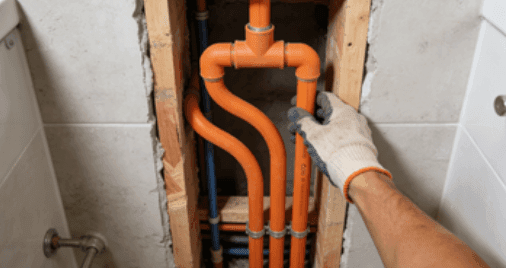
PEX Flexibility
PEX pipes are highly flexible, which allows them to bend around corners without additional fittings. This reduces installation complexity and minimizes potential leak points.
- Perfect for retrofit projects or spaces with tight corners.
- Requires fewer fittings, which also decreases material costs and installation time.
- Enhances overall system reliability by reducing potential joint failures.
Installation Tip: When bending PEX, avoid sharp 90° bends; use gradual curves or elbow fittings to maintain pressure integrity and prevent kinking.
HDPE Flexibility
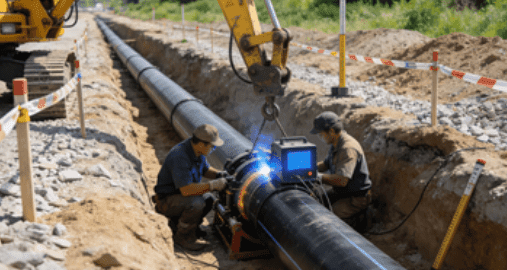
HDPE pipes achieve flexibility primarily through heat fusion, which allows installers to create continuous runs without joints. This is particularly beneficial for large-scale water supply systems.
- Minimizes the number of joints, lowering the risk of leaks.
- Ideal for municipal, industrial, or long-distance piping projects where consistent flow is critical.
- Reduces system downtime and maintenance costs compared to segmented piping.
Comparison Table: PEX vs HDPE Flexibility
| Feature | PEX | HDPE |
|---|---|---|
| Bendable | Yes, highly flexible | Moderate, needs heat fusion |
| Joints Required | Fewer | Fewer with fusion; otherwise more |
| Ideal Installation | Residential, renovations | Large-scale, outdoor pipelines |
| Labor Cost | Lower | Moderate, specialized tools needed |
| Risk of Leakage | Minimal | Minimal with proper fusion |
3. Cost-Effectiveness Over Time
PEX Cost Advantages
PEX is often more affordable upfront compared to traditional copper or even HDPE pipes for smaller projects.
- Material cost per foot is typically 20-30% lower than copper.
- Labor costs are reduced due to easy handling, fewer fittings, and faster installation.
- Ideal for residential renovations, apartments, and home plumbing retrofits.
HDPE Cost Advantages
HDPE may have a higher initial material cost, but its long-term durability and low maintenance make it cost-effective over decades.
- Suitable for large-scale water systems where replacement costs would otherwise be high.
- Minimal maintenance reduces operational expenses, particularly in industrial or municipal applications.
Data Insight: A 2022 study by Construction Economics Review found that HDPE pipelines reduced maintenance costs by 25% over 20 years compared to traditional metal piping, demonstrating significant long-term financial benefits.
Expert Tip: For hybrid systems, using PEX indoors and HDPE outdoors optimizes both initial cost and long-term savings.
4. Chemical and Environmental Resistance
Temperature and Pressure Tolerance
Both PEX and HDPE pipes are engineered to handle a variety of operating conditions, but their strengths differ:
- PEX: Excellent for indoor hot and cold water systems; ideal for residential environments.
- HDPE: Handles pressure fluctuations and soil movement well, making it superior for industrial and municipal use.
Chemical and UV Resistance
- PEX: Resistant to household water treatment chemicals but should be shielded from prolonged UV exposure.
- HDPE: UV-stabilized HDPE resists sunlight, suitable for outdoor installations; chemically stable against acids, alkalis, and industrial chemicals.
Industry Note: In chemical processing plants, HDPE is preferred due to its ability to safely transport corrosive liquids, while PEX remains limited to potable water and residential use.
5. Safety and Sustainability
Environmental Impact
Both PEX and HDPE pipes are recyclable, though HDPE has a higher post-consumer recycling rate, which makes it more attractive for sustainable projects.
- PEX is lightweight, reducing transportation emissions.
- HDPE can be repurposed for drainage, irrigation, and outdoor piping.
Safety Considerations
- Both PEX and HDPE are safe for drinking water and meet international standards for potable water systems.
- PEX may soften at extreme temperatures, while HDPE provides a broader safety margin for high-pressure or industrial systems.
Expert Opinion: Sustainability consultant Elena Ramirez emphasizes, “Choosing recyclable piping materials like HDPE ensures long-term environmental benefits without compromising performance.”
6. Versatility and Real-World Applications
Residential Applications
- PEX: Ideal for indoor plumbing, radiant heating, and renovations.
- HDPE: Best for underground water lines or large-scale piping runs.
Commercial and Industrial Applications
- HDPE: Preferred for municipal water supply, industrial plumbing, and outdoor installations.
- PEX: Mostly limited to indoor use due to UV sensitivity.
Case Study: Hybrid Approach
A 2022 commercial retrofit used PEX for interior plumbing and HDPE for exterior mains, reducing installation time by 30% and cutting maintenance costs by 25%.
Expert Recommendations and Installation Tips
- Always match pipe type to project requirements: PEX for flexible, indoor installations; HDPE for high-pressure, outdoor or large-scale systems.
- Inspect pipe for defects before installation.
- Use proper fittings and fusion techniques for HDPE to prevent leaks.
- Maintain a documented installation and maintenance log for warranty and safety compliance.
Expert Quote: Plumbing consultant Sarah Johnson emphasizes, “Choosing the right material upfront prevents costly repairs later. Understanding PEX vs HDPE benefits is crucial for engineers and homeowners alike.”
Comparison Table: Quick Overview
| Feature | PEX | HDPE |
|---|---|---|
| Lifespan | 40-50 years | 50+ years |
| Flexibility | High | Moderate |
| Temperature Range | -40°C to 95°C | -40°C to 60°C (can handle heat fusion) |
| UV Resistance | Low | High (if treated) |
| Installation | Easy | Heat fusion required for continuous runs |
| Cost | Lower upfront | Higher upfront, lower long-term |
Final Thoughts
Understanding PEX vs HDPE benefits helps planners, engineers, and homeowners select pipes that minimize leaks, reduce costs, and last decades. Both materials offer safety, durability, and environmental advantages—but the ideal choice depends on project size, location, and water system requirements.
- Use PEX for flexible, indoor plumbing.
- Choose HDPE for high-pressure or outdoor applications.
- Consider a hybrid approach for the ultimate efficiency and reliability.
By carefully evaluating these 6 powerful benefits, you can ensure your plumbing system is safe, cost-effective, and long-lasting.
FAQ
Q1: Which is better for home plumbing?
A: PEX is generally preferred for indoor residential use due to flexibility and easy installation.
Q2: Can HDPE handle hot water?
A: Yes, HDPE can handle hot water, but it’s less flexible than PEX for indoor plumbing.
Q3: Are both safe for drinking water?
A: Yes, both materials are certified for potable water applications.
Q4: How long do HDPE pipes last?
A: Over 50 years under standard conditions.
Q5: Can I use PEX and HDPE together?
A: Yes, hybrid systems are common: PEX indoors, HDPE for exterior supply lines.
Q6: What are the main differences between PEX vs HDPE for plumbing?
A: PEX offers high flexibility and is ideal for indoor installations, while HDPE is stronger under pressure and better for outdoor or industrial pipelines.
Q7: Can PEX vs HDPE pipes freeze in winter?
A: PEX is more freeze-resistant than HDPE due to its flexibility, which allows slight expansion, reducing the risk of pipe bursts.
Q8: Which is more cost-effective in the long run, PEX vs HDPE?
A: PEX has lower upfront costs and easier installation for homes, but HDPE offers greater durability and lower maintenance for large-scale or outdoor projects.
Q9: Are PEX vs HDPE pipes environmentally friendly?
A: Both are recyclable, but HDPE has a higher post-consumer recycling rate and can be reused in industrial applications.
Q10: How do I choose between PEX vs HDPE for my project?
A: Consider location, water pressure, temperature range, and whether pipes will be indoors or outdoors. For homes, PEX is usually preferred; for municipal or industrial systems, HDPE is often better.
Q11: Can PEX vs HDPE handle chemical exposure?
A: PEX resists household chemicals and potable water additives, while HDPE can handle a broader range of industrial chemicals, acids, and alkalis.
Q12: Do PEX vs HDPE pipes require special fittings?
A: PEX uses compression, crimp, or push-fit fittings. HDPE requires heat fusion for continuous runs, though mechanical fittings are also available.
Q13: Is PEX vs HDPE easy to repair if damaged?
A: PEX is easier to repair with simple fittings, while HDPE often requires cutting and heat-fusing a new section, which may require specialized tools.
Q14: Can PEX vs HDPE be used in radiant heating systems?
A: PEX is widely used for radiant floor heating due to its flexibility and heat tolerance. HDPE is less common for heating applications but can be used for high-pressure hot water lines.