Welcome to our in-depth look at high-quality plastic products and how they are transforming everyday life, industrial applications, and commercial projects. Before you dive in, stay connected with us for expert tips, industry insights, and practical solutions:
· Facebook – Join our community to ask questions and get the latest product updates
· Tiktok – Watch tutorials, installation guides, and project demonstrations
Let’s explore how durable and versatile plastic products can deliver efficiency, reliability, and long-term performance—read on to discover which solutions fit your needs best!
Table of Contents
Introduction
Corrugated plastic sheets have become one of the most versatile and reliable materials across modern industries. Made primarily from polypropylene or polyethylene, these structured sheets feature a twin-wall design that delivers excellent rigidity while remaining lightweight. Their unique architecture offers even more advantages than many traditional materials such as cardboard, acrylic, or plywood.
These sheets are valued not only for their durability but also for their ability to resist moisture, chemicals, and general wear over long periods of use. Because they do not absorb water, warp under moisture, or break easily under impact, they are widely adopted in packaging, construction, agriculture, signage, and a variety of DIY applications. Their weather resistance also makes them suitable for both indoor and outdoor environments.
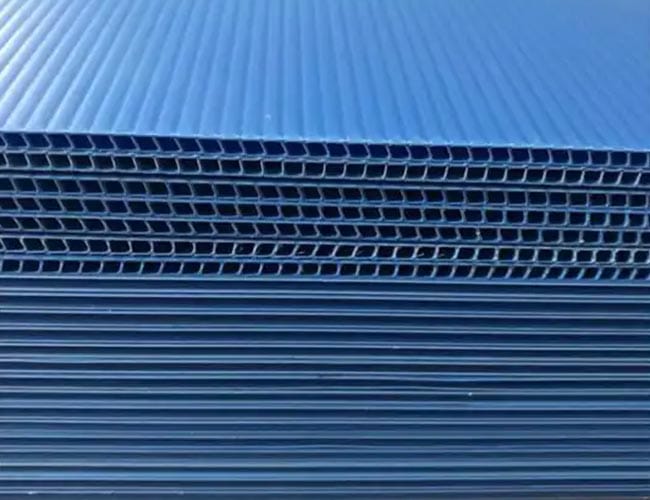
A fundamental question many people ask is what a corrugated plastic sheet actually is. It is a molded, fluted sheet that traps air between two layers, increasing strength without adding unnecessary weight. Some people also wonder whether the sheets are opaque or translucent. Most types are opaque, although clear versions exist for specific uses such as greenhouse panels.
Cost and value are also common concerns. Although corrugated plastic sheets may cost more upfront than cardboard, their long-term reusability, durability, and resistance to environmental damage make them far more economical over repeated cycles of use. For this reason, they have become a preferred choice for businesses that prioritize efficiency, sustainability, and long-term savings.
As we look deeper into the various applications of corrugated plastic sheets, it becomes clear why so many industries have transitioned from traditional materials to these modern, high-performance alternatives.
What Is a Corrugated Plastic Sheet?
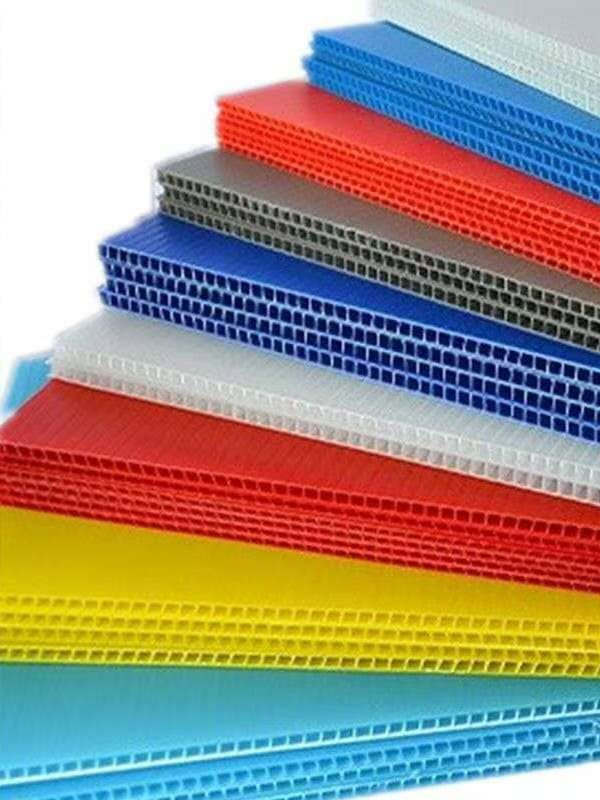
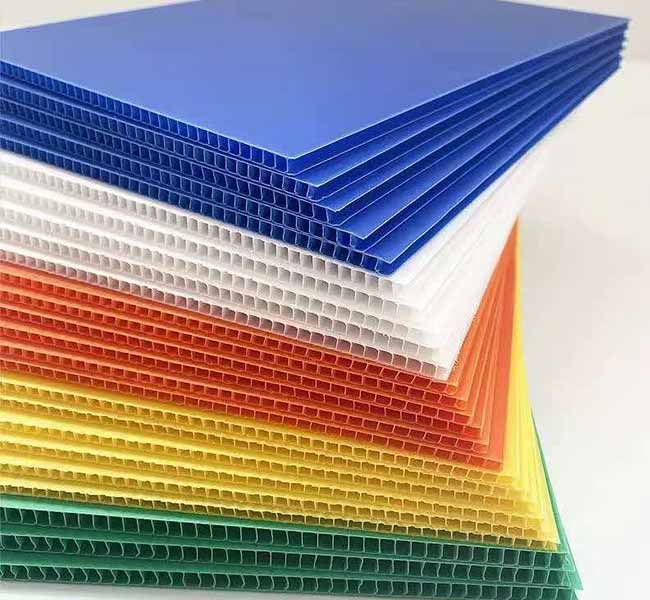
A corrugated plastic sheet is a multi-layer polypropylene panel with a fluted (hollow) interior structure. The internal flutes reduce weight while adding rigidity, making the sheets strong, lightweight, and easy to handle.
These panels are waterproof, chemical-resistant, impact-resistant, and suitable for long-term indoor or outdoor use. Despite their durability, they are generally cost-effective and provide excellent long-term value due to their reusability and long service life.
Use Case #1 — Logistics Packaging with Corrugated Plastic Sheets
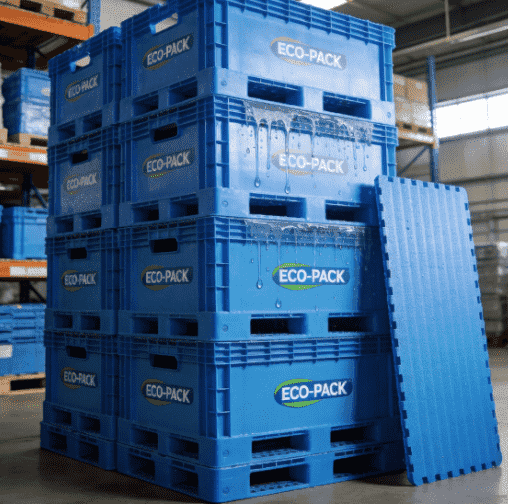
Among all the applications of corrugated plastic sheets, logistics packaging stands out as one of the most important and widely adopted uses. In the world of warehousing, transportation, and distribution, packaging materials must be tough, lightweight, and resistant to moisture and repeated handling. Corrugated plastic sheets meet these requirements exceptionally well.
These sheets are commonly used to build reusable shipping containers, bins, sleeves, pallets, and protective panels for goods in transit. Unlike cardboard packages that can become soggy, crushed, or torn, corrugated plastic options maintain their shape and integrity even after multiple shipping cycles. This helps businesses significantly reduce packaging waste and lower replacement costs.
For warehouse operations, the sheets are often converted into dividers that help categorize inventory, prevent product surface damage, and maintain stable stacking inside containers. Their rigidity supports heavier loads without collapsing, which increases safety and efficiency throughout the supply chain.
Another advantage is their weather resistance. Packages using corrugated plastic sheets can be stored outdoors temporarily without absorbing moisture or swelling. This feature is valuable for global logistics, especially during long-distance shipments where products may be exposed to adverse conditions.
Corrugated plastic sheets can also be customized with printing, colors, slotting, or folding to create branded packaging or product-specific solutions. For companies looking to build custom boxes, these sheets can be easily cut, bent, and joined using simple tools. Many users ask how to make a box with corrugated plastic sheets, and the answer is that the sheets can be scored along the flutes and folded into shape, then secured with rivets, adhesives, or plastic welding.
They are also suitable for shelving applications in warehouses where lightweight and washable surfaces are needed. Some users wonder whether these sheets can be used for shelves, and indeed they can, especially when reinforced or used as horizontal divider panels.
Their strength, adaptability, and reusability make corrugated plastic sheets one of the most reliable choices for logistics packaging today.
Use Case #2 — Corrugated Plastic Sheets for Construction Protection
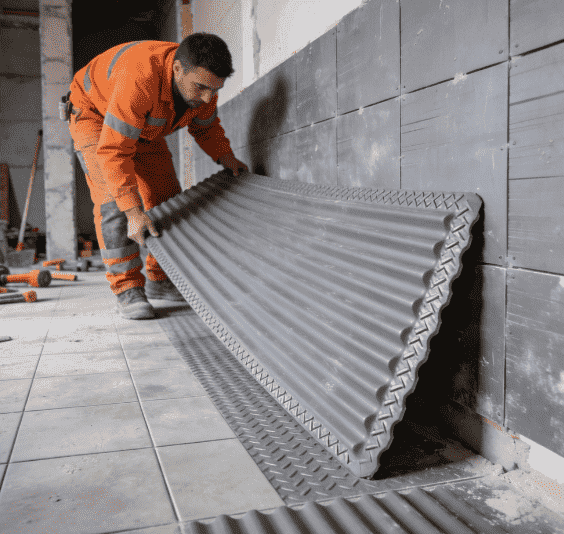
Corrugated plastic sheets play a significant role in construction and renovation projects due to their ability to protect surfaces from damage. In environments where dust, debris, tools, and heavy equipment are frequently used, maintaining the condition of floors, walls, and fixtures is essential. These sheets serve as temporary shields that prevent scratches, dents, stains, and moisture exposure.
On construction sites, the sheets are commonly laid on floors such as tile, marble, concrete, or hardwood to prevent impact damage from falling tools or construction materials. Because they are lightweight, workers can easily carry them around or reposition them without effort.
They are also used as temporary wall barriers, window protection panels, and even door guards. Their impact resistance protects glass, aluminum, or painted surfaces from accidental hits during interior work.
In areas where storms or high winds are common, some builders use corrugated plastic sheets as a temporary protective layer for windows or vulnerable sections of a structure. Many users ask whether these sheets can be used for hurricane shutters. While they are not a permanent replacement for engineered storm shutters, they can provide a short-term protective barrier when properly fastened.
The sheets can be joined using a variety of methods. People often ask how to join corrugated plastic sheets, and the most common techniques include plastic rivets, interlocking channels, double-sided adhesives, and heat welding. These options allow the creation of large protective panels.
For attachment, users may rely on construction tape, screws with washers, or temporary fastening clips. Questions such as how to attach corrugated plastic sheets arise frequently, and the answer depends on the surface material, duration of use, and load requirements.
Their versatility, ease of handling, and resistance to jobsite wear make corrugated plastic sheets an excellent material for construction protection.
Use Case #3 — Advertising and Signage with Corrugated Plastic Sheets

One of the most visible applications of corrugated plastic sheets is in the advertising and signage industry. The sheets are widely used for outdoor promotional signs, retail displays, festival panels, real estate signs, campaign boards, and directional signage because they combine durability with cost efficiency.
Unlike paper or traditional cardboard signs that degrade under sunlight or rain, corrugated plastic sheets retain their structure and appearance for extended periods. They are waterproof, UV-resistant (if treated), and capable of surviving months of exposure in outdoor environments.
They are popular for business and event signage because they can be printed directly through screen printing, UV-flatbed printing, or vinyl wrapping. Their smooth surface ensures clear color reproduction, making them suitable for marketing materials that require sharp visual presentation.
A common question relates to painting them, such as whether corrugated plastic sheets can be painted. The answer is yes, but preparation is necessary. Light sanding and the use of plastic-compatible spray paint help achieve better adhesion. This allows individuals to create custom designs, directional signs, or decorative panels.
Some users also wonder how to decorate corrugated plastic sheets. Options include attaching printed vinyl, applying stencils, airbrushing, or adding adhesive graphic elements. Their light weight makes them easy to hang on walls, fences, posts, or temporary booths.
Another frequent question is how to color corrugated sheet plastic. Beyond painting, manufacturers also produce sheets in a wide range of colors, allowing businesses to select materials that match their branding or signage requirements.
Because they are affordable, weatherproof, and extremely easy to customize, corrugated plastic sheets continue to be one of the most popular materials for promotional and signage applications.
Use Case #4 — Agricultural and Horticultural Applications of Corrugated Plastic Sheets

Agriculture and horticulture are fields where materials must endure humidity, sunlight, temperature changes, and continuous handling. Corrugated plastic sheets excel in these conditions because they are resistant to mold, water absorption, and chemical exposure, making them suitable for farms, nurseries, and greenhouses.
One of the most common uses in agriculture is seedling protection. Farmers often construct seedling covers, plant guards, and nursery boxes using corrugated plastic sheets. These protective structures shield young plants from pests, strong sunlight, and wind. Because the sheets are lightweight, they do not add stress to young roots or branches, and because they are waterproof, they prevent moisture seepage that can promote fungal growth.
In horticultural settings, corrugated plastic sheets are frequently used as greenhouse panels. Clear variants allow sufficient sunlight to pass through while offering superior insulation compared to traditional thin films. A recurring question is how to cut clear plastic corrugated sheets when they are used for greenhouse roofing or walls. The process can be done with utility knives for thin sheets or fine-tooth saws for thicker panels, ensuring clean edges without cracking.
Gardeners often create compost bin walls, raised bed liners, and irrigation shields using these sheets. Their chemical resistance allows them to withstand fertilizers, compost liquids, pesticides, and soil minerals without degrading.
Because agricultural environments often require custom shapes for fencing, partitioning, or channeling water, users are curious about how to bend corrugated plastic sheets. These sheets can be bent by gently heating them along a scored line or simply scoring the flutes to allow controlled folding. This makes it easy to create customized planting trays, curved greenhouse structures, or protective wraps for tree trunks.
Their durability, weather tolerance, and adaptability make corrugated plastic sheets a practical solution across agricultural industries.
Use Case #5 — Creative DIY Projects and Home Organization
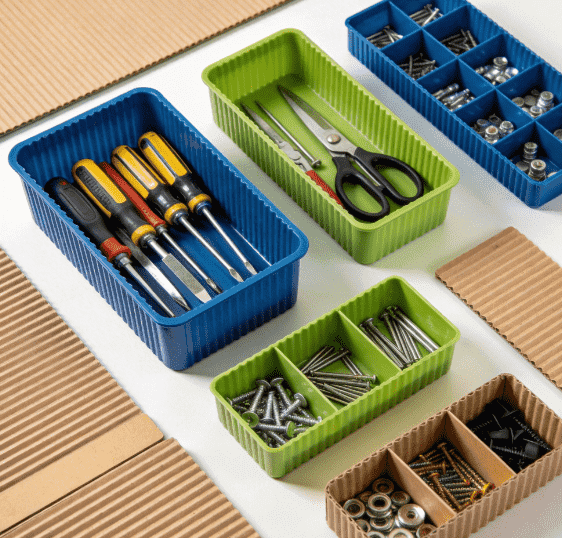
Corrugated plastic sheets are a favorite among DIY hobbyists, homeowners, and craftspeople because they are easy to cut, shape, glue, paint, and fasten. Their versatility allows them to be used for home improvements, storage, décor, and custom builds.
In many households, these sheets become drawer dividers, shelf liners, hobby storage containers, and tool organizers. People often wonder whether these sheets can be used for shelves. They can serve as lightweight shelving inserts or temporary partitions. When reinforced by wooden or metal framing, they can support moderate loads.
DIY builders frequently use corrugated plastic sheets to create props, model structures, pet enclosures, bird feeders, and custom storage boxes. A common question is how to cut corrugated plastic sheet for these projects. The simplest approach is to score the sheet repeatedly along a straight edge with a utility knife, then bend it to snap the cut cleanly.
Some creative users transform these sheets into room decorations such as stencil backdrops, wall-mounted displays, or painted art pieces. Because they accept spray paint when prepped properly, many people ask how to decorate corrugated plastic sheets. Light sanding, priming with plastic primer, and using acrylic or spray paint provide excellent results.
These sheets are also used for outdoor DIY projects such as mailbox guards, garden fence toppers, and patio windbreak panels. Their ability to resist moisture and sun makes them an excellent choice for these environments.
With their combination of strength, lightness, and easy handling, corrugated plastic sheets continue to inspire countless creative and practical DIY applications.
Use Case #6 — Automotive, Industrial, and Warehouse Utility Applications
Beyond consumer use, corrugated plastic sheets are an essential material in automotive facilities, manufacturing plants, and industrial warehouses. They support operational efficiency, workspace organization, and equipment protection.
Automotive technicians frequently use these sheets as fender covers, floor mats, workbench liners, and drip guards to prevent oil, paint, or mechanical fluids from damaging surfaces. Because they are chemical-resistant, they can handle lubricants, solvents, and cleaning agents without weakening.
In industrial settings, corrugated plastic sheets serve as machine guards, conveyor dividers, safety panels, and equipment covers. They protect delicate machinery from dust, splashes, and impact. Their insulating properties help maintain temperature stability around certain types of equipment.
Many manufacturing plants use the sheets to create custom shipping trays, parts bins, and Kanban system dividers. They are also ideal for large-scale labeling panels or safety signage because they can be printed, painted, or marked easily.
Since warehouses require durable materials for organizing inventory, corrugated plastic sheets are used to create pallet layer pads, racking dividers, and reusable tray liners. Their light weight reduces the strain on workers while providing strong mechanical performance.
A frequent question is how to install corrugated plastic sheets on corners or how to join them on corners. Corner joints can be created by scoring one side of the sheet for bending or by using corner connectors, adhesive tapes, or rivets. These solutions enable the creation of complex structures.
Their combination of impact resistance, surface protection, and adaptability makes these sheets a core industrial material.
Use Case #7 — Roofing, Shelters, and Weather Protection

Corrugated plastic sheets are also used as roofing material for temporary structures, animal shelters, greenhouses, outdoor kiosks, and patio covers. Their weather resistance makes them suitable for areas exposed to rain, UV light, and wind.
Clear or tinted corrugated plastic variants provide excellent light transmission, making them perfect for sunlit spaces such as garden shelters or covered walkways. Because they are lightweight, they do not require heavy structural support.
A question frequently asked is how to cut corrugated plastic roofing sheets. Tools such as fine-tooth saws, jigsaws, or utility knives can be used depending on the thickness of the sheet. When users need to cut plastic corrugated roofing sheet panels for skylights or ridge connections, slow and steady cutting ensures clean edges.
Installation is also a popular concern, as people search for guidance on how to fit corrugated plastic roofing sheets or how to fix them. Installation typically involves using screws with rubber washers to prevent leaks. Overlapping the sheets and sealing the edges helps improve waterproofing and durability.
Users also wonder whether it is okay to run corrugated plastic sheets horizontally. While vertical orientation is generally stronger for water runoff, horizontal installation can be acceptable for walls or decorative partitions if properly supported.
Because of their low weight and high weather resistance, these sheets are a practical roofing alternative for temporary or lightweight structures.
Comparison Table: Corrugated Plastic Sheets vs Other Materials
The following table summarizes how corrugated plastic sheets compare with several common materials used for similar purposes:
| Feature | Corrugated Plastic Sheets | Cardboard | Acrylic Panels | Wood Sheets |
|---|---|---|---|---|
| Water Resistance | Excellent | Poor | Good | Moderate |
| Reusability | Very High | Low | High | High |
| Weight | Very Light | Light | Moderate | Heavy |
| Weather Resistance | High | Very Low | High | Moderate |
| Ease of Cutting | Easy | Easy | Moderate | Moderate |
| Chemical Resistance | Excellent | Poor | Moderate | Low |
| Cost Efficiency | High (long-term) | Low (short-term) | Moderate | Moderate |
| Outdoor Durability | High | Very Low | High | Moderate |
How to Work With Corrugated Plastic Sheets
Because corrugated plastic sheets are used across many industries, users often need guidance on cutting, bending, connecting, drilling, and installing them. The following sections provide clear, practical explanations suitable for beginners, DIY users, and professionals.
How to Cut Corrugated Plastic Sheets Effectively
Cutting corrugated plastic sheets is straightforward when the right tools and methods are used. Thin sheets can be cut with a sharp utility knife, while thicker panels require fine-tooth saws or power tools.
For clean edges and minimal cracking, the safest method is to score along a straight edge using a sharp knife. Light, repeated scoring produces a better result than trying to cut through the sheet in one attempt. Once the score is deep enough, the panel will fold and snap cleanly.
Roofing panels are typically thicker and more rigid, so a fine-tooth hand saw or a jigsaw on a low-speed setting works best. Supporting the sheet fully during cutting helps prevent vibration and cracking.
Clear corrugated plastic sheets need extra care to avoid scratches. Applying masking tape along the cut line protects the surface and ensures a cleaner finish. These cutting techniques apply equally well to greenhouse panels, signage boards, and packaging sheets.
How to Bend Corrugated Plastic Sheets Safely
Many applications require bending corrugated plastic sheets into curves or angled shapes. Smooth folds can be achieved using two common techniques: cold bending and heat bending.
Cold Bending
Score one side of the sheet along the desired bend line. This weakens the internal flutes and allows the sheet to fold cleanly without cracking. Cold bending is ideal for making boxes, folding panels, dividers, and protective guards.
Heat Bending
Gentle, even heating allows the sheet to bend smoothly into curved forms. A heat gun, warm environment, or strip heater works well. It is important not to overheat the sheet, as excessive heat can cause warping or create surface bubbles.
These methods allow builders and DIY users to create custom containers, greenhouse sections, curved signage, and various protective components.
How to Join Corrugated Plastic Sheets
Corrugated plastic sheets are often joined together when building crates, storage boxes, greenhouse walls, signage structures, and logistics packaging. Several reliable joining methods can be used depending on the application.
Plastic Rivets or Screws
Lightweight mechanical fasteners create strong, secure connections. Pre-drilling ensures cleaner holes and helps prevent cracking.
Hot-Melt Glue or Plastic Adhesives
Suitable for indoor or lightweight structures. Adhesives bond well with the polypropylene surface if the sheet is lightly roughened beforehand.
Tape Reinforcement
Heavy-duty fiber tape or double-sided tape provides strong bonds for temporary displays, packaging, or lightweight projects.
Heat Welding
In industrial environments, heat welding forms durable seams for long-term structures.
For corner joints, scoring a single sheet and folding it at 90 degrees reduces the number of seams and increases structural stability.
How to Drill or Attach Corrugated Plastic Sheets
Drilling and attaching corrugated plastic sheets is easy with the proper approach. Pre-drilling helps prevent cracking and ensures a clean finish.
When attaching panels to frames or roofing structures, consider the following guidelines:
- Use screws with rubber washers to maintain waterproof performance
- Pre-drill slightly oversized holes to allow for thermal expansion
- Overlap panels when installing roofing materials to reduce leakage
- Apply sealant along joints where additional waterproofing is needed
These techniques ensure strong and reliable installation in roofing, greenhouse construction, structural framing, and packaging systems.
Buying Guide — Where to Buy Corrugated Plastic Sheets

Corrugated plastic sheets are easy to source, and they come in a wide range of sizes, thicknesses, and colors to suit different applications. They can typically be purchased through:
- Building material suppliers
- Hardware and home improvement stores
- Industrial packaging distributors
- Specialty plastic manufacturers
- Online marketplaces
For users who require bulk quantities, custom specifications, or industrial-grade quality, partnering with a professional manufacturer is often the most reliable option.
One trusted supplier is Shandong Zenlink Plastic Industry Co., Ltd., a company with extensive expertise in the R&D, production, and global distribution of hollow boards (corrugated plastic sheets), plastic pipes, fittings, and safety net products. Based in Zibo City, Shandong Province, Zenlink benefits from excellent geographical access to major ports and a strong multi-modal logistics network, enabling fast and stable delivery worldwide.
Zenlink offers corrugated plastic sheets manufactured using high-quality PP/PE materials through one-time extrusion molding. Thickness options range from 2–12 mm, with customizable colors and advanced functional upgrades such as flame retardancy, UV resistance, and anti-static or conductive properties. With temperature resistance from −17°C to 167°C and a durability 4–10 times greater than paper-based materials, these sheets are ideal for packaging, greenhouse roofing, advertising displays, temporary fences, and more.
Backed by strict quality-control systems, advanced technology, and a professional production team, Zenlink ensures consistent product performance and long-term reliability. Whether you need standard sheets or tailor-made industrial solutions, Zenlink provides dependable supply and professional service for customers around the world.
For budget-friendly or DIY projects, recycled or repurposed corrugated plastic sheets can also be obtained from local sign shops, warehouses, or recycling centers.
Conclusion
Corrugated plastic sheets have become one of the most versatile and reliable materials across industries. From logistics packaging to agriculture, DIY projects, automotive work, warehouse organization, and roofing solutions, these sheets offer a unique combination of strength, lightness, waterproof performance, and chemical resistance.
Throughout this article, we explored seven brilliant uses for these sheets—from protecting goods in logistics packaging to supporting farmers, enabling creative DIY builds, enhancing industrial operations, and providing lightweight roofing solutions. We also addressed numerous popular questions such as how to cut corrugated plastic sheets, how to bend them, how to connect them, and where to buy them.
Whether you are a business owner, a manufacturer, a builder, or a hobbyist, corrugated plastic sheets offer a dependable solution for countless applications. Their ability to be shaped, cut, joined, colored, reinforced, and reused makes them an essential material in modern production and everyday life.
FAQ
1. What are corrugated plastic sheets used for?
They are used for logistics packaging, signage, roofing, DIY projects, agriculture, warehouse sorting, and industrial protection.
2. Can you paint corrugated plastic sheets?
Yes. Light sanding and priming allow spray paint or acrylic paint to adhere properly.
3. How do you cut corrugated plastic sheets?
Use a sharp utility knife for thin sheets or a fine-tooth saw for thicker panels. Score lightly multiple times for best results.
4. Can corrugated plastic sheets be used for shelves?
Yes, when supported with framing. They work well as liners, dividers, or lightweight inserts.
5. Are corrugated plastic sheets waterproof?
Yes, they are fully waterproof and resist moisture, chemicals, and outdoor conditions.
6. Where can I buy corrugated plastic sheets?
From hardware stores, plastic suppliers, industrial distributors, or online marketplaces.
7. How to join corrugated plastic sheets?
Use screws, rivets, adhesives, or heat welding. For corners, score and bend one sheet to reduce seams.