Welcome to our in-depth look at PE & HDPE pipes and how they are transforming water supply, construction, and agricultural projects. Before you dive in, stay connected with us for expert tips, industry insights, and practical solutions:
· Facebook – Join our community to ask questions and get the latest product updates
· Tiktok – Watch tutorials, installation guides, and project demonstrations
Let’s explore how high-performance plastic pipes can deliver efficiency, reliability, and long-term performance—read on to find out which solutions fit your project best!
Table of Contents
Introduction
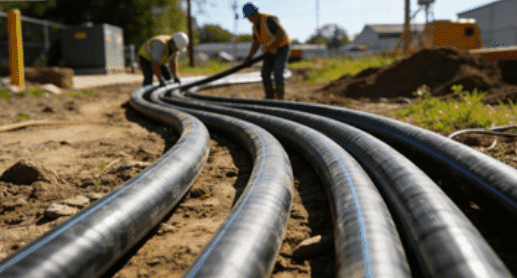
Gas distribution is undergoing a revolution. High-density polyethylene (HDPE) gas pipelines are no longer a niche option—they are becoming the gold standard for municipal, industrial, and cross-country gas transportation projects. According to the International Energy Agency, over 70% of new urban gas infrastructure projects in Europe and North America now use HDPE pipelines due to their superior performance and long-term cost savings.¹
This guide covers everything a buyer or engineer needs to know about HDPE gas pipelines, including:
- Core advantages of HDPE pipelines over traditional materials
- Material properties and their impact on performance
- Installation, safety, and maintenance considerations
- Comparisons with steel and other pipeline materials
- Market trends and B2B purchasing insights
- Common questions from engineers and procurement teams
By the end of this article, readers will understand why HDPE pipelines are increasingly recommended by top engineers and industry authorities.
Understanding HDPE Gas Pipelines
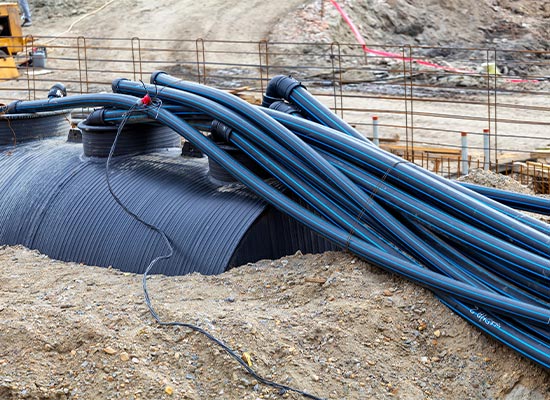
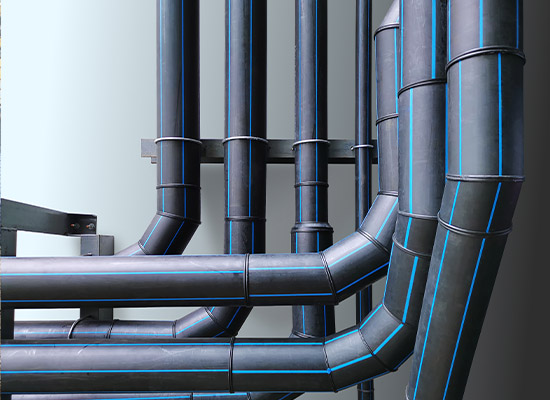
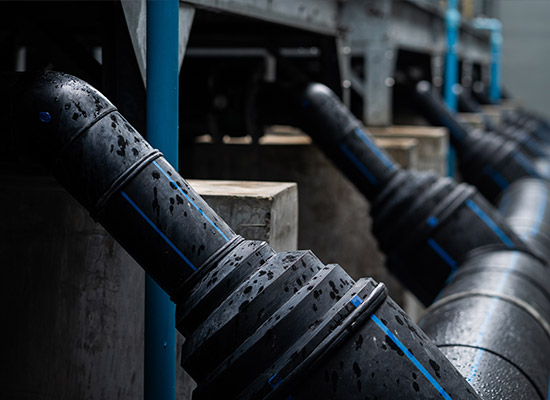
High-Density Polyethylene (HDPE) pipelines are manufactured from a thermoplastic polymer that combines strength, flexibility, and chemical resistance. They are designed to transport natural gas safely over long distances, in challenging terrain, and under diverse environmental conditions.
HDPE pipelines are suitable for:
- Underground municipal gas networks
- Industrial plants and chemical facilities
- Cross-country or remote pipeline projects
- Areas with high soil corrosion risk
The versatility of HDPE pipelines is driven by its polymer structure, which ensures durability, leak resistance, and long service life.
Material Characteristics
HDPE gas pipelines have key properties that differentiate them from traditional pipelines:
- High tensile strength: Capable of withstanding internal pressure fluctuations
- Low permeability: Minimizes gas loss and leakage
- Chemical resistance: Resistant to acids, alkalis, and solvents found in soil
- Thermal stability: Performs under temperature ranges from -40°C to +60°C
Industry experts note that these properties are essential for pipelines that require long-term reliability without frequent maintenance.
7 Proven Advantages of HDPE Gas Pipelines
Corrosion Resistance
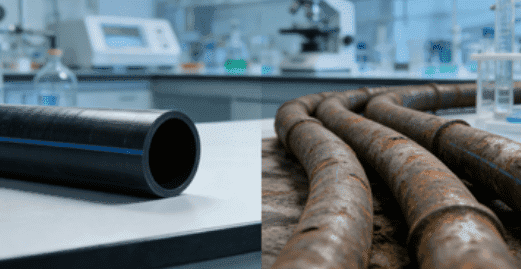
One of the most significant advantages of HDPE pipelines is their immunity to corrosion. Unlike steel or iron pipes, HDPE does not rust when exposed to soil moisture, oxygen, or chemical contaminants.
- Corrosion accounts for up to 50% of pipeline failures globally, according to the Pipeline Research Council International.²
- HDPE pipelines eliminate the need for protective coatings or cathodic protection, reducing maintenance costs.
Corrosion resistance also enhances safety, reducing risks of gas leaks and infrastructure failures.
Flexibility and Easy Installation
HDPE pipelines are lightweight and highly flexible, allowing engineers to install them in complex terrains, curves, and even under roads or rivers without additional fittings.
- Flexible pipelines require up to 40% fewer joints, minimizing leak points.
- On-site assembly is faster, reducing labor costs by 20–30% compared to steel.
This flexibility is especially beneficial for urban or remote infrastructure projects.
Long Service Life
HDPE pipelines have a proven service life of 50–100 years under standard operating conditions.³ In contrast, steel pipelines often require replacement or intensive maintenance after 20–40 years.
The extended life cycle makes HDPE pipelines a long-term investment for utility companies, reducing lifecycle costs and improving project ROI.
Leak-Free Connections
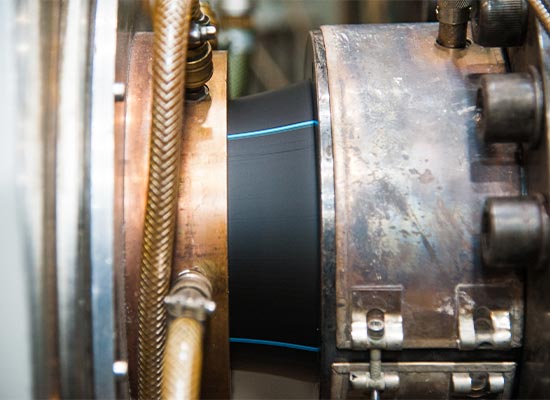
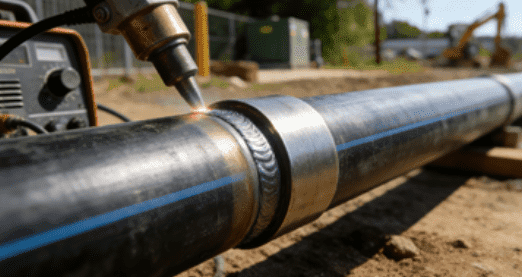
Modern HDPE pipelines utilize electrofusion and butt-fusion welding techniques, creating joints as strong as the pipe itself.
- Leak rates are significantly lower than steel pipelines, reducing safety hazards.
- Quality-controlled fusion welding can withstand pressures exceeding 10 MPa in high-capacity gas distribution networks.
According to a 2022 study in the Journal of Pipeline Engineering, electrofusion connections in HDPE pipelines showed zero leakage incidents in a five-year field study involving 200 km of installations.⁴
High Chemical and Environmental Resistance
HDPE pipelines can handle:
- Soil contaminants such as sulfates and chlorides
- Industrial effluents in chemical plants
- Temperature variations from -40°C to +60°C
This adaptability ensures that HDPE pipelines are suitable for diverse climates, from arid regions to humid coastal areas.
Cost-Effective Over Time
While the initial material cost of HDPE may be slightly higher than steel, its lower maintenance requirements, leak prevention, and reduced labor costs make it a cost-effective solution.
- Total lifecycle costs for HDPE pipelines can be 30–50% lower than traditional steel pipelines.
- Reduced downtime and fewer repair incidents also enhance operational efficiency.
Environmentally Friendly
HDPE pipelines are recyclable and require fewer resources during manufacturing and installation. Sustainable options include:
- Recyclable HDPE materials
- Minimal packaging for transportation
- Low carbon footprint production methods
Sustainability is becoming a key decision factor for government projects and environmentally conscious utilities.
HDPE Gas Pipeline vs Steel and Other Materials
| Feature | HDPE Gas Pipeline | Steel Pipeline | Advantage |
|---|---|---|---|
| Corrosion Resistance | Excellent | Moderate | HDPE |
| Flexibility | High | Low | HDPE |
| Service Life | 50–100 years | 20–40 years | HDPE |
| Installation Speed | Fast | Slow | HDPE |
| Maintenance Cost | Low | High | HDPE |
| Leak Risk | Minimal | Higher | HDPE |
| Environmental Impact | Low | High | HDPE |
| Weight | Light | Heavy | HDPE |
HDPE pipelines consistently outperform traditional steel and cast-iron pipelines in durability, safety, and environmental metrics.
Key Features Buyers Should Evaluate
When selecting HDPE gas pipelines for projects, consider:
- Material grade: PE4710 or PE100 for high-pressure distribution
- Pipe diameter and wall thickness: Match pipeline size with pressure and flow requirements
- Certifications: ISO, ASTM, or local regulatory standards
- Fusion equipment compatibility: Ensure availability of electrofusion or butt-fusion machines
Specialized Options
- UV-resistant HDPE for above-ground pipelines
- Flexible designs for curved or hilly terrain
- High-pressure variants for industrial plants
Installation and Maintenance Best Practices
Proper installation is critical for long-term performance:
- Conduct pre-installation site surveys for soil type and environmental conditions
- Train personnel on fusion welding and joint inspection
- Avoid prolonged UV exposure; use burial or UV-resistant coatings
- Perform routine inspections and pressure testing to detect mechanical damage
Market Trends and Engineering Insights
- Global HDPE pipeline market is expected to reach $13.5 billion by 2027, driven by urbanization and sustainable infrastructure initiatives.⁵
- Experts recommend HDPE pipelines for regions with high soil corrosivity, high earthquake risk, or challenging terrain.
- Utility companies report 30–50% reduction in maintenance costs when switching from steel to HDPE pipelines.
Dr. Michael Lang, senior pipeline engineer at a European utility firm, notes:
“HDPE pipelines are the most reliable choice for long-term gas distribution. Their flexibility, chemical resistance, and ease of installation make them ideal for modern urban networks.”
Final Thoughts
HDPE gas pipelines combine durability, safety, flexibility, and sustainability. They are increasingly favored in modern gas distribution networks, offering long service life, lower maintenance costs, and environmental benefits.
For buyers, engineers, and utility companies, understanding HDPE advantages, installation practices, and market trends ensures smarter procurement decisions and reliable infrastructure investments.
Common Questions About HDPE Gas Pipelines
Q1: Can HDPE pipelines handle high-pressure gas?
Yes, PE4710 and PE100 pipelines are rated for high-pressure applications and long-distance distribution.
Q2: How long do HDPE pipelines last?
Typically 50–100 years, depending on soil conditions and installation quality.
Q3: Are HDPE pipelines cost-effective?
Yes. Lower maintenance, reduced leak risks, and faster installation make them more economical over the lifecycle.
Q4: Can HDPE pipelines be used in extreme climates?
Yes, they tolerate temperatures from -40°C to +60°C and resist chemical soil contamination.
Q5: What certifications should buyers look for?
ISO 4427, ASTM D3035, and local regulatory compliance ensure pipeline quality.
Q6: Are HDPE pipelines environmentally friendly?
Yes, they are recyclable and require less resource-intensive manufacturing than steel.
Q7: Can HDPE pipelines replace existing steel pipelines?
Often yes, with proper engineering evaluation and adaptation for connections.