Welcome to our in-depth look at PE & HDPE pipes and how they are transforming water supply, construction, and agricultural projects. Before you dive in, stay connected with us for expert tips, industry insights, and practical solutions:
· Facebook – Join our community to ask questions and get the latest product updates
· Tiktok – Watch tutorials, installation guides, and project demonstrations
Let’s explore how high-performance plastic pipes can deliver efficiency, reliability, and long-term performance—read on to find out which solutions fit your project best!
Table of Contents
Before a well delivers clean, stable water year after year, an invisible system is already doing the hardest work underground. The choice of well pipe determines not only water quality, but also structural safety, pumping efficiency, and total lifecycle cost. In modern well engineering, polyethylene well pipe has become a preferred solution—not by trend, but by engineering logic.
This article explains how polyethylene well pipe works in real well systems, why it outperforms traditional materials in many applications, and how engineers and procurement teams can evaluate it from a professional, data-driven perspective.
Key Takeaways from This Article
- Why polyethylene well pipe is widely used in deep and shallow wells
- How pressure, creep, and hydraulic behavior are managed in real conditions
- What international standards say about polyethylene well pipe
- How polyethylene well pipe compares with steel and PVC in long-term use
- What procurement teams should focus on when specifying well pipe
Understanding Polyethylene Well Pipe in Well Engineering
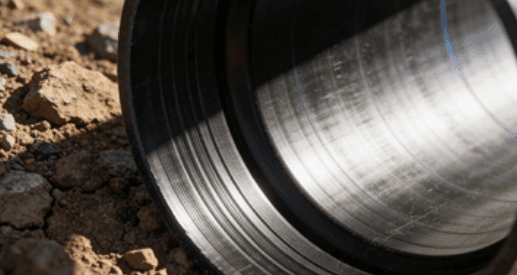
Polyethylene well pipe is designed to serve as the structural and hydraulic conduit between underground water sources and surface pumping systems. Unlike rigid pipes, it combines pressure resistance with controlled flexibility, allowing it to adapt to real-world well conditions.
Material Characteristics That Matter
Polyethylene well pipe is typically manufactured from high-density polyethylene. This material offers strong resistance to corrosion, chemical attack, and mineral scaling—common challenges in groundwater environments.
Because the material is non-metallic, it does not rust or degrade in aggressive soil or water chemistry, which directly contributes to long-term reliability.
The Role of Polyethylene Well Pipe in Well Systems
A well system functions as an integrated assembly. The pipe must work in harmony with pumps, boreholes, and surrounding geological structures.
Structural Support and Water Transport
Polyethylene well pipe maintains borehole integrity while providing a smooth internal surface for water flow. Its low friction coefficient helps reduce hydraulic losses, improving pumping efficiency over time.
Compatibility with Modern Pumping Equipment
Submersible pumps generate vibration and dynamic pressure changes. Polyethylene well pipe naturally absorbs these stresses, reducing fatigue on pump housings and electrical cables.
Engineering Standards and Compliance Requirements
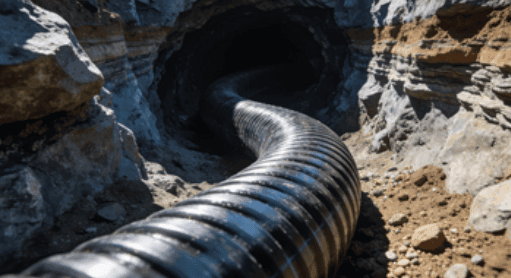
Professional well design depends on standardized performance criteria rather than marketing specifications.
International Standards Commonly Applied
Polyethylene well pipe is commonly produced in compliance with:
- ISO 4427 for water supply piping systems
- ASTM F714 for polyethylene pressure pipe
- AWWA C906 for waterworks applications
These standards define material density, dimensional tolerance, and long-term hydrostatic strength based on extensive testing.
Why Standards Reduce Project Risk
Pipes tested under these standards undergo long-duration pressure validation, simulating decades of service life. This reduces uncertainty for engineers and simplifies approval processes for regulated water projects.
Pressure Behavior in Polyethylene Well Pipe Applications
Pressure conditions in wells are more complex than many assume.
Static and Dynamic Pressure Effects
Static pressure is driven by well depth and water column height. Dynamic pressure results from pump start-up, flow turbulence, and operational cycling.
Polyethylene well pipe is typically designed with safety factors that account for both conditions simultaneously.
Managing Surge and Water Hammer
Rapid pump cycling can generate transient pressure spikes. Unlike rigid pipes, polyethylene well pipe deforms elastically, absorbing surge energy and reducing the risk of joint failure.
Long-Term Hydrostatic Strength and Creep Performance
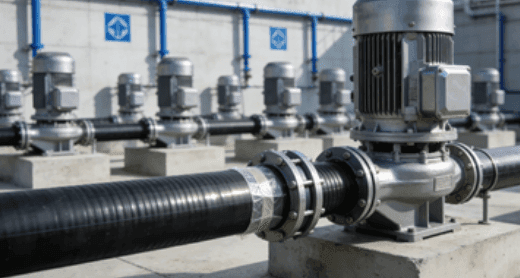
One of the most misunderstood aspects of polyethylene well pipe is creep behavior.
What Creep Really Means
Creep is the gradual, predictable deformation of polyethylene under constant stress. It is measured and controlled through long-term testing during pipe design.
Properly specified polyethylene well pipe maintains pressure integrity for 50 years or more under continuous operation.
Why Creep Improves Safety
Instead of sudden fracture, creep progresses slowly and uniformly. This provides stability and reduces catastrophic failure risk, especially in deep wells.
Installation and Borehole Interaction
The relationship between the pipe and the surrounding borehole directly affects performance.
Adaptability to Borehole Irregularities
Polyethylene well pipe can conform to minor borehole deviations without stress concentration. This reduces the likelihood of localized damage during installation.
Resistance to External Loads
Soil pressure and geological movement exert continuous external forces. The flexibility of polyethylene well pipe allows it to redistribute these loads rather than resisting them rigidly.
Comparison with Traditional Well Pipe Materials
Choosing well pipe material requires understanding not only strength, but failure behavior.
| Property | Polyethylene Well Pipe | Steel Pipe | PVC Pipe |
|---|---|---|---|
| Corrosion resistance | Excellent | Poor without coating | Good |
| Flexibility | High | Very low | Low |
| Surge pressure tolerance | High | Moderate | Low |
| Installation complexity | Low | High | Moderate |
| Long-term maintenance | Minimal | High | Moderate |
Rigid materials often fail suddenly, while polyethylene well pipe tends to show gradual, localized deformation.
Real-World Performance Data
Field studies show polyethylene well pipe retains more than 90 percent of its original flow capacity after decades of service. Mineral scaling and corrosion—common in steel systems—are virtually eliminated.
Maintenance records indicate that wells using polyethylene well pipe require significantly fewer interventions over long operating periods.
Procurement Considerations for Polyethylene Well Pipe
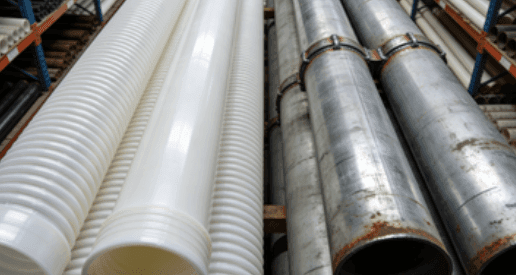
From a purchasing perspective, technical clarity is essential.
Common Specification Mistakes
Selecting pipe based solely on nominal pressure ratings without considering surge conditions is a frequent error. Ignoring temperature variation and installation method can also compromise system performance.
How to Reduce Procurement Risk
Clear documentation of well depth, pump characteristics, operating pressure, and environmental conditions allows suppliers to recommend suitable polyethylene well pipe configurations.
Environmental and Lifecycle Advantages
Polyethylene well pipe offers environmental benefits through long service life and recyclability. Lower energy consumption during pumping also contributes to reduced operational emissions.
From a lifecycle cost standpoint, reduced maintenance and extended service life often outweigh initial material costs.
Final Thoughts on Polyethylene Well Pipe Selection
Polyethylene well pipe is not simply an alternative material—it is an engineered solution designed for modern well systems. Its predictable mechanical behavior, compatibility with advanced pumping equipment, and compliance with international standards make it a reliable choice for long-term water extraction projects.
For engineers, designers, and procurement professionals seeking performance backed by data rather than assumptions, polyethylene well pipe delivers proven value across the entire lifecycle of a well system.
FAQ
Is polyethylene well pipe suitable for deep wells?
Yes. When properly specified, it performs reliably in deep well environments due to controlled creep behavior and pressure resistance.
How long does polyethylene well pipe last?
Industry data supports service lives of 50 years or more under normal operating conditions.
Does polyethylene well pipe affect water quality?
No. It is chemically inert and does not leach contaminants into groundwater.
Can polyethylene well pipe handle pump surges?
Yes. Its flexibility allows it to absorb transient pressure spikes more effectively than rigid materials.