Welcome to our in-depth look at high-quality plastic products and how they are transforming everyday life, industrial applications, and commercial projects. Before you dive in, stay connected with us for expert tips, industry insights, and practical solutions:
· Facebook – Join our community to ask questions and get the latest product updates
· Tiktok – Watch tutorials, installation guides, and project demonstrations
Let’s explore how durable and versatile plastic products can deliver efficiency, reliability, and long-term performance—read on to discover which solutions fit your needs best!
Table of Contents
Introduction
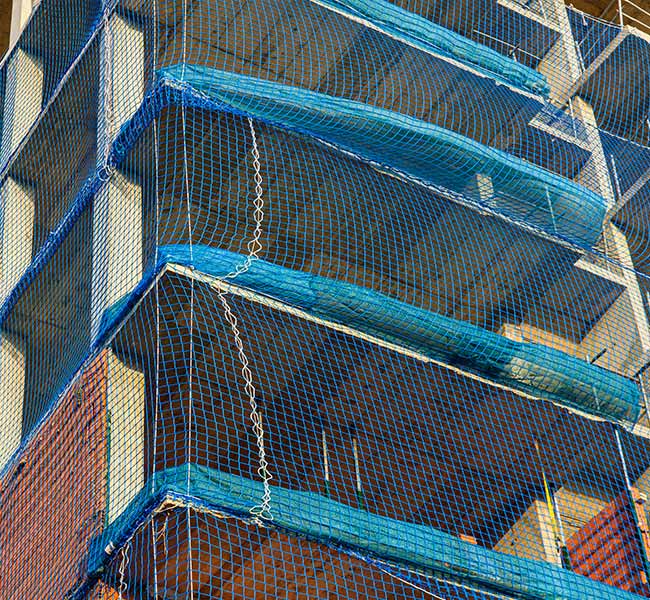
Debris netting is a vital safety component for construction sites, sports facilities, and industrial zones. Regular maintenance prevents accidents, extends net lifespan, and ensures compliance with safety regulations. Poor upkeep can result in sagging, tears, or even catastrophic failures, putting both workers and equipment at risk.
Recent studies from the Construction Safety Institute indicate that properly maintained debris netting can reduce site-related debris incidents by up to 35%. For facility managers and site supervisors, understanding best practices in maintenance is essential for both safety and cost efficiency.
Inspecting Debris Netting Regularly
Understanding Wear Patterns
Debris netting is constantly exposed to weather, UV rays, and mechanical stress from falling debris. Over time, stress points develop near attachment hooks, corners, or edges where weight is concentrated. Detecting these early is critical to prevent tears or catastrophic failure.
Additional Insight:
- UV degradation can cause fibers to become brittle within 2–3 years in high-sunlight areas.
- Nets exposed to coastal environments may show faster corrosion on metallic attachment points due to salt-laden air.
Inspection Checklist
- Examine all edges for frays, holes, or loose threads.
- Check attachment points, hooks, and anchors for corrosion, rust, or loosening.
- Identify sagging areas or uneven tension across the net.
- Look for signs of UV damage: fading, cracking, or stiffness in the fibers.
Case Study
A commercial construction project in Germany implemented weekly inspections and discovered early wear in 15% of nets, preventing potential hazards before use. Following corrective maintenance, the project reported zero net failures over a 12-month period.
Pro Tip for Maintenance Teams
Use a checklist log and take photos during inspections. Comparing images over time allows teams to identify progressive damage before it becomes dangerous.
Cleaning and Debris Removal
Why Cleaning Matters
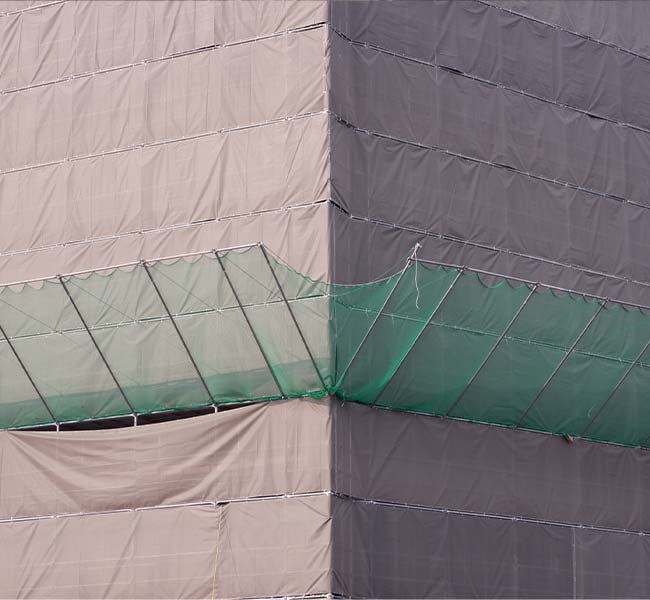
Accumulated dirt, leaves, or small debris increases net weight and mechanical stress. Overloaded nets can sag or tear prematurely, reducing efficiency and safety. Cleaning also prevents microbial growth, which can degrade synthetic fibers in humid or damp environments.
Recommended Cleaning Methods
- Use low-pressure water spray to remove dust, sand, and loose debris.
- Employ soft brushes for stuck-on dirt while avoiding fiber damage.
- Avoid harsh chemicals, bleach, or solvents that can weaken synthetic materials.
Real-Life Example
A sports arena in Spain reduced net replacement costs by 20% annually after instituting monthly cleaning schedules. Nets maintained clean surfaces, reducing mechanical strain and extending service life by up to 30%.
Practical Tips
- For nets exposed to industrial dust, consider compressed air for initial cleaning before water washing.
- Dry nets completely after cleaning to prevent mold formation.
- Schedule cleaning during low-usage periods to avoid operational disruptions.
Repairing Minor Damage
Types of Damage
- Small holes or punctures caused by falling debris.
- Fraying edges due to UV exposure and mechanical abrasion.
- Worn-out stitching at high-stress points along the perimeter.
Repair Techniques
- Patch kits using UV-resistant material to cover minor holes.
- Reinforced stitching for frayed edges to maintain tension.
- Replace broken hooks, fasteners, or anchors promptly to avoid additional stress.
Professional Insight
Emily Roberts, a safety consultant with 15 years of experience, notes, “Repairing minor damage immediately prevents total net failure and avoids costly replacements. A small hole left unchecked can propagate rapidly under load.”
Advanced Repair Tips
- Use double-layer patches on areas experiencing repeated impact.
- For nets that catch heavy materials, reinforce with supplementary cable supports at the corners and edges.
- Maintain a repair log to track recurring problem areas and predict lifespan.
Securing Attachment Points
Importance of Tension
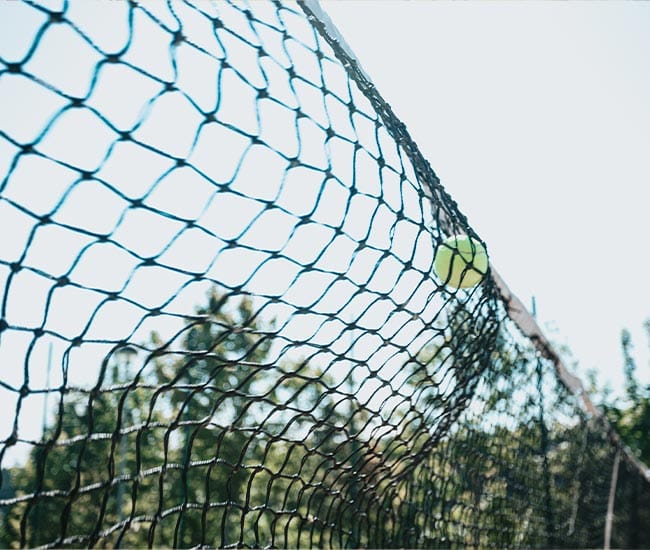
Proper net tension prevents sagging and ensures debris is deflected safely. Loose anchors or misaligned supports reduce net efficiency and increase the risk of failure.
Best Practices
- Use corrosion-resistant materials for outdoor installations, especially near saltwater environments.
- Adjust tension with load-measuring tools to ensure uniform stress distribution.
- Follow manufacturer spacing guidelines for attachment points, usually 1.5–2 meters apart.
Technical Tip
Over-tightening may tear the net fibers, while under-tensioning allows sagging, reducing net coverage and safety. A balanced tension approach is essential for optimal performance.
Real Data
Construction sites that implemented monthly tension checks reduced net sagging by 45%, preventing repeated minor repairs.
Storage and Weather Protection
Proper Storage Methods
When not in use, debris netting should be stored in a dry, shaded area. Exposure to UV, rain, or humidity accelerates fiber degradation and shortens service life.
Storage Recommendations:
- Roll nets instead of folding to avoid sharp creases.
- Store on elevated racks to prevent ground moisture absorption.
- Cover nets with protective tarps if left outdoors.
Weather Considerations
- Inspect nets after storms, high winds, or heavy snow accumulation.
- Ensure drainage around stored nets to prevent water pooling.
- Periodically rotate stored nets to ensure even aging of material.
Case Study
A construction firm in Canada implemented off-season covered storage for all debris nets. Over two years, nets maintained 90% of their original tensile strength, compared to 70% for nets left outdoors.
Advanced Debris Netting Care

UV Protection and Longevity
Prolonged sun exposure can degrade synthetic fibers, making nets brittle. Applying UV-resistant coatings or rotating net positions can prolong service life by 20–30%.
Pest and Mold Prevention
Nets in humid or forested areas are susceptible to mold or insect infestation. Mild bleach solutions followed by air drying can prevent microbial growth without damaging fibers.
Handling Heavy Loads
Debris nets often catch heavy or sharp materials. Reinforce high-stress sections with extra stitching or steel cable supports. Nets designed to handle heavy loads should be inspected after every high-impact event.
Real-Life Example
An industrial site in Malaysia reinforced nets in high-risk zones. Over three years, they reported zero net ruptures, while previously, incidents occurred 2–3 times annually.
Best Practices for Managers
- Keep spare nets and patch kits on-site for immediate repairs.
- Conduct seasonal training sessions for staff on inspection and repair techniques.
- Document all inspections, repairs, and replacements for regulatory compliance.
Debris Netting Maintenance Table
| Maintenance Task | Recommended Frequency | Tools/Materials Needed | Key Notes |
|---|---|---|---|
| Inspection | Weekly / Before Use | Checklist, flashlight | Check for tears, frays, sagging |
| Cleaning | Monthly / As Needed | Water hose, soft brush | Avoid harsh chemicals |
| Minor Repairs | Immediately on Detection | Patch kit, thread, replacement hooks | Small holes and frays only |
| Attachment Point Check | Weekly / Monthly | Tension gauge, corrosion-resistant fasteners | Ensure all anchors are secure |
| Storage | Off-season or when not in use | Tarps, storage racks | Keep dry, shaded, avoid sharp folds |
| Advanced Care | Quarterly | UV coatings, mold treatment | Reinforce high-stress areas, monitor exposure |
Conclusion
Regular maintenance of debris netting is essential for safe and cost-effective operations. By following these six essential tips—inspection, cleaning, repair, attachment checks, proper storage, and advanced care—managers can protect workers, equipment, and budgets. Effective maintenance practices create a safe work environment and extend the net’s lifespan significantly.
FAQ
Q1: How often should debris netting be inspected on construction sites?
Weekly inspections are recommended, with additional checks after storms or heavy usage.
Q2: Can debris netting last for multiple projects?
Yes, with proper cleaning, repair, and storage, nets can last 3–5 years depending on exposure and load.
Q3: What is the best material for outdoor debris netting?
UV-resistant polyethylene or polypropylene nets with reinforced edges are ideal.
Q4: When should damaged debris netting be replaced?
Replace nets with multiple tears, heavily worn attachment points, or significant UV damage.
Q5: Are there safety regulations for debris netting maintenance?
Yes, many occupational safety authorities require documented inspections and maintenance logs.