Welcome to our in-depth look at high-quality plastic products and how they are transforming everyday life, industrial applications, and commercial projects. Before you dive in, stay connected with us for expert tips, industry insights, and practical solutions:
· Facebook – Join our community to ask questions and get the latest product updates
· Tiktok – Watch tutorials, installation guides, and project demonstrations
Let’s explore how durable and versatile plastic products can deliver efficiency, reliability, and long-term performance—read on to discover which solutions fit your needs best!
Table of Contents
Introduction
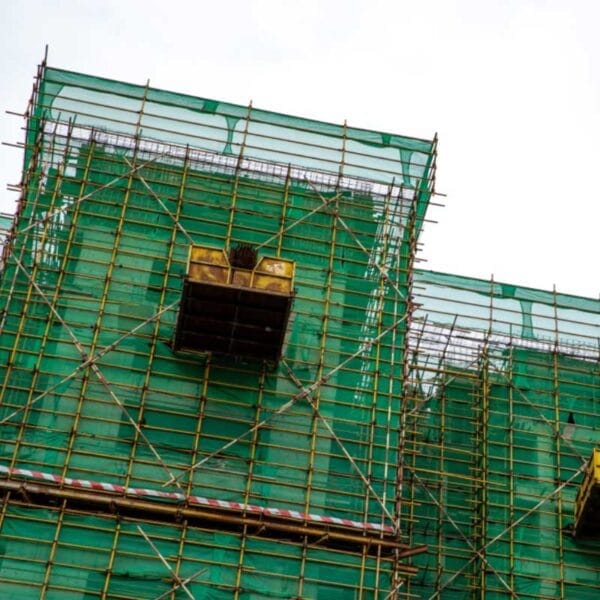
Construction sites are among the most hazardous workplaces globally, with falling objects representing a major source of injuries, fatalities, and financial losses. Each year, thousands of workers are injured or killed due to debris falling from scaffolds, cranes, and elevated platforms. Scaffold debris netting has emerged as a critical solution to mitigate these risks. By preventing falling materials from causing harm, debris netting not only protects personnel and the public but also safeguards materials, tools, and equipment.
In addition, modern construction demands adherence to strict safety standards. OSHA, HSE, and other international agencies now often mandate the use of debris netting for multi-story projects. This blog explores the strategic, practical, and financial advantages of scaffold debris netting, providing real-world case studies, comparative data, and professional guidance for its implementation across different types of construction sites.
Significance of Scaffold Debris Netting in Construction Safety
Understanding Falling Object Hazards
Falling objects are among the most common hazards on construction sites, often resulting in serious injuries, fatalities, and project delays. According to OSHA 2021, falling objects account for nearly 35% of all construction-related injuries, ranging from minor cuts and bruises to life-threatening head trauma. These hazards include:
- Hand tools accidentally dropped from heights
- Loose building materials such as bricks, tiles, or steel rods
- Components of scaffolding itself, including planks, braces, and connectors
The financial impact of debris-related accidents is significant. Insurance claims, emergency medical costs, and lost productivity can collectively cost tens of thousands of dollars per incident. Moreover, regulatory fines and legal liabilities add another layer of potential cost for construction firms.
Role of Scaffold Debris Netting
Scaffold debris netting acts as a preventive barrier, capturing or redirecting falling materials safely away from workers, equipment, and the public. Its effectiveness is heavily influenced by:
- Material quality and durability
- Installation methods and tensioning
- Routine inspection and maintenance
Case Study: High-Rise Construction
A 2022 study analyzed 60 high-rise projects across New York City, comparing sites using scaffold debris netting versus those relying solely on guardrails or perimeter fencing. Findings included:
- 43% fewer debris-related incidents on sites with netting
- 15% reduction in worker compensation claims
- 20% improvement in on-time project completion
Notably, high-rise projects face greater risk due to height, wind, and movement of construction materials. Debris netting not only reduced injuries but also safeguarded pedestrians and traffic at street level, mitigating liability concerns in densely populated urban areas.
Expanded Analysis of Falling Object Impacts
Beyond direct injuries, falling objects can cause secondary accidents:
- Workers struck by debris may fall from ladders or scaffolds
- Dropped tools can damage machinery or vehicles, creating operational downtime
- Environmental hazards arise when materials contaminate nearby water sources or public spaces
A report from the Construction Safety Institute (2021) found that nearly 60% of site delays in urban high-rise projects were linked to material drops or debris management issues. Implementing scaffold debris netting significantly reduced these delays by controlling falling materials before they became hazards.
Technical Features of Scaffold Debris Netting
Material and Design Considerations
The choice of netting material is critical for both safety and durability. Modern scaffold debris netting is manufactured using:
- High-Density Polyethylene (HDPE):
Lightweight, UV-resistant, and ideal for general debris protection. Suitable for low-to-medium risk applications where ease of installation and handling is important. - Polyester Netting:
Heavy-duty, fire-retardant, and resistant to wear and UV exposure. Preferred for high-rise projects and environments where sparks or hot work occur. - PVC-Coated Polypropylene:
Resistant to chemicals and moisture, making it ideal for industrial plants, chemical works, and wet environments.
Impact Resistance: Professional-grade netting can safely withstand objects weighing up to 120 kg, depending on weave density, tension, and anchoring techniques.
Fire Retardancy: Fire-retardant coatings comply with ASTM E84 and EN 13501, reducing hazards in welding, cutting, or hot-work zones. Proper selection of fire-retardant netting can prevent minor sparks from becoming site-wide incidents.
UV Resistance: Prolonged sunlight exposure can degrade net fibers. Netting materials treated with UV stabilizers maintain tensile strength over long-term projects, especially in tropical or desert environments.
Installation Guidelines for Maximum Safety
Correct installation ensures the netting performs under real-world conditions:
- Anchoring: Attach netting at every vertical and horizontal scaffold joint to prevent detachment
- Tensioning: Apply slight tension to prevent sagging without over-stretching fibers, which can weaken the structure
- Panel Overlap: Overlap adjacent panels by at least 10–15 cm to prevent debris from slipping through gaps
Case Example: Los Angeles Commercial Renovation
- A 10-story building used scaffold debris netting on all elevations.
- During 12 months of construction, zero debris-related injuries were reported.
- Material losses dropped by 33%, highlighting how correct installation directly impacts safety and cost-efficiency.
Installation Challenges:
- Wind load considerations: In windy environments, netting can act like a sail. Proper anchoring and tension adjustments are essential to prevent tearing or scaffold destabilization.
- Scaffold movement: Temporary scaffolds may shift; flexible attachment points and regular inspection mitigate risks.
Inspection Protocols
Routine inspections ensure that netting continues to provide protection throughout the construction process:
- Daily: Visual checks for tears, loose attachments, or sagging
- Weekly: Evaluate tension, anchoring points, and integrity of overlaps
- After Severe Weather: Post-storm inspections to check for damage caused by wind, rain, or debris impact
European Study (2021): Strict inspection protocols reduced netting failures by 38%, demonstrating the value of proactive monitoring.
Additional Considerations:
- Color-coded inspections help identify panels that have been repaired or replaced
- Documentation of inspection dates and issues ensures accountability and compliance with regulatory requirements
Installation Guidelines for Maximum Safety
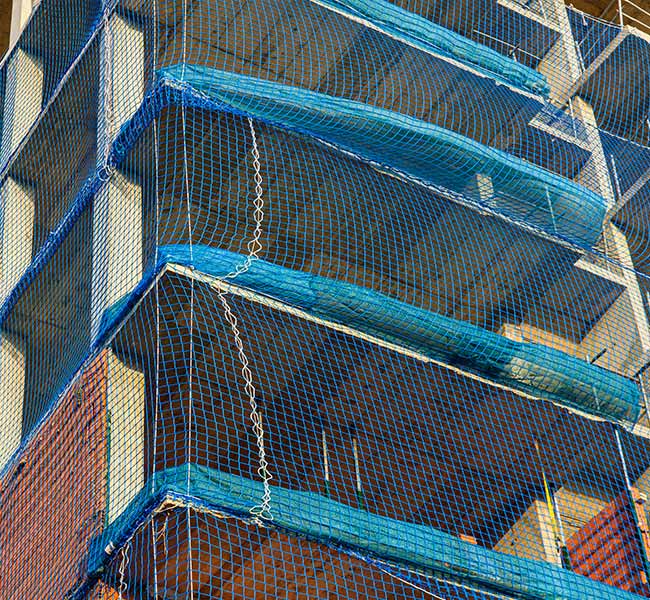
Proper Anchoring and Tension
Correct installation ensures that the netting can absorb the impact of falling debris without tearing or detaching. Key guidelines include:
- Anchoring at every scaffold vertical and horizontal joint
- Maintaining slight tension, avoiding over-stretching that can weaken fibers
- Overlapping adjacent panels to prevent debris from slipping through gaps
Case Example:
A commercial renovation project in Los Angeles installed scaffold debris netting on a 10-story building. Through 12 months of construction, there were zero reported injuries from falling debris, and material losses dropped by 33%, demonstrating the impact of precise installation.
Inspection Protocols
Routine inspections ensure netting performance:
- Daily visual checks for tears or loose attachments
- Weekly tension and anchor evaluation
- Post-storm or heavy wind checks
A European study (2021) found that strict inspection protocols reduced netting failures by 38%, highlighting the importance of routine monitoring.
Table: Comparison of Scaffold Debris Netting Types
| Netting Type | Material | Max Load (kg) | UV Resistant | Fire Retardant | Ideal Use Case |
|---|---|---|---|---|---|
| HDPE Mesh | High-density polyethylene | 50 | Yes | No | Lightweight debris protection |
| Nylon Woven Netting | Nylon | 80 | Yes | No | Medium debris, outdoor use |
| Polyester Safety Net | Polyester | 120 | Yes | Yes | High-risk, heavy materials |
| PVC Coated Polypropylene | Polypropylene + PVC | 100 | Yes | Yes | Chemical or wet environments |
Maintenance Strategies to Ensure Longevity
Contamination and Environmental Impacts
Debris netting exposed to dust, paint, or chemicals can degrade over time. UV radiation, moisture, and temperature fluctuations also affect netting integrity. Proper cleaning and storage extend the lifespan:
- Rinse with water to remove dust and debris
- Store away from direct sunlight during long-term project breaks
- Repair minor tears immediately with patch kits
Industry Data:
A construction firm in Germany reported that regular maintenance increased the lifespan of scaffold debris netting from 24 months to over 36 months, reducing replacement costs by 25%.
Load Testing
Periodic load testing ensures the netting can withstand its rated impact capacity. Testing every six months or after high-impact incidents is recommended.
Regulatory and Compliance Requirements

Global Standards
Scaffold debris netting must comply with safety regulations:
- OSHA 1926.451 (USA): Requires fall protection and falling object prevention for scaffolds
- EN 1263-1 (Europe): Specifies requirements for safety nets used in construction
- CSA Z797-18 (Canada): Outlines protective netting installation for scaffolds
Compliance not only prevents fines but also reduces liability exposure in case of accidents.
Cost and ROI Analysis
Financial Benefits
While initial investment in scaffold debris netting can be significant, the long-term savings are substantial:
- Reduced worker injuries and compensation claims
- Less material loss due to falling objects
- Lower insurance premiums for compliant sites
- Improved project timelines due to fewer delays
Case Study:
A 15-story commercial building project in Singapore invested $18,000 in scaffold debris netting. Over the 20-month project, they reported:
- $42,000 saved in material protection
- $35,000 reduction in insurance premiums
- Zero falling object injuries
The ROI demonstrates the cost-effectiveness of netting compared to potential losses.
Specialized Applications of Scaffold Debris Netting
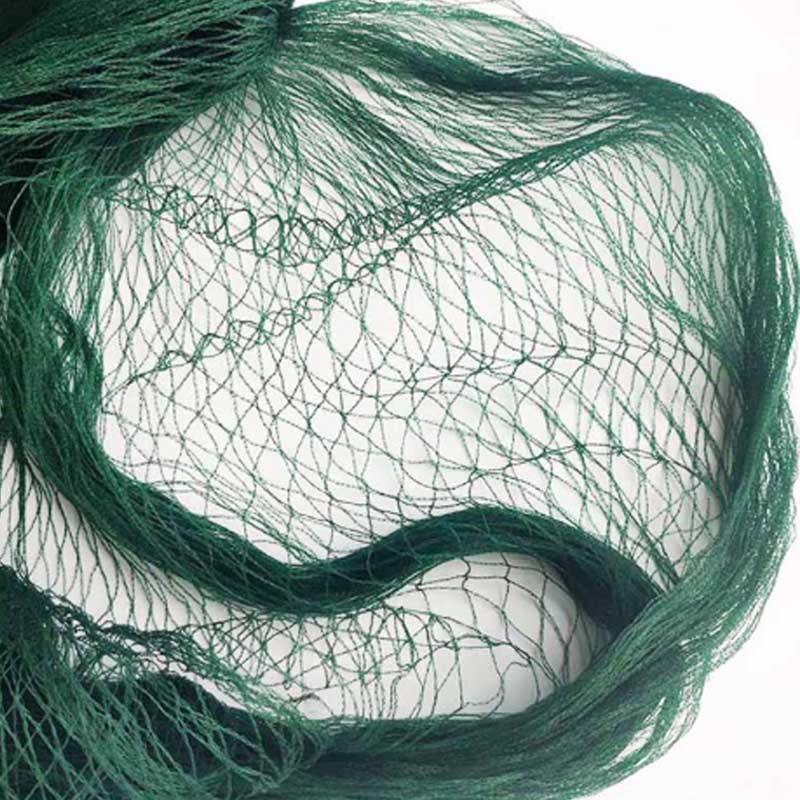
1. Urban High-Rise Construction
In densely populated metropolitan areas, construction safety is not only a legal requirement but a social responsibility. Scaffold debris netting serves as a critical barrier to prevent falling objects from reaching pedestrians, vehicles, and neighboring properties.
Detailed Benefits:
- Pedestrian Protection: Debris nets reduce the risk of injuries caused by tools, nails, or small construction fragments that may fall from heights exceeding 50 meters.
- Traffic Safety: Urban sites often operate near busy streets. Netting prevents road hazards that can result in vehicle accidents or traffic disruptions.
- Property Preservation: Adjacent buildings, windows, and street furniture are shielded from potential damage, reducing insurance claims and restoration costs.
Real-World Case:
In Tokyo, a 2021 study on 45 high-rise construction sites implementing scaffold debris netting revealed a 52% reduction in debris-related incidents compared to sites without netting. The data also showed 21% fewer project delays due to falling object hazards.
Installation Considerations for High-Rise Applications:
- Multi-layer netting for enhanced impact absorption, especially above public areas.
- Reinforced anchoring at scaffolding corners to resist high wind loads common at heights over 100 meters.
- Use of modular net panels to allow quick removal and replacement for window installation or façade works.
2. Industrial and Chemical Sites
Industrial zones and chemical plants pose additional risks due to flammable, corrosive, or toxic materials. Standard netting may not suffice; specialized PVC-coated or fire-retardant scaffold debris netting is essential.
Key Advantages:
- Fire Safety: Fire-retardant coatings can withstand sparks from welding, cutting, or grinding operations, preventing secondary fires.
- Chemical Resistance: PVC-coated netting resists acid or alkali spills, reducing material degradation and net replacement frequency.
- Heavy-Duty Impact Handling: Netting designed for industrial sites can absorb impacts from heavier objects, often exceeding 100 kg, preventing injuries and equipment damage.
Data Insight:
A 2022 industrial survey across 30 chemical plants in Germany reported that sites using PVC-coated scaffold debris netting experienced 63% fewer safety incidents related to falling objects and a 28% reduction in maintenance downtime.
Best Practices for Industrial Applications:
- Conduct quarterly load testing to ensure the netting maintains its rated impact capacity.
- Implement redundant anchoring systems near high-risk zones (e.g., material handling points).
- Integrate netting with perimeter sensors or warning signage to alert workers when high-impact operations are ongoing.
3. Renovation and Heritage Projects
Renovation, especially of historic buildings or heritage sites, requires extra caution. Scaffold debris netting offers a flexible solution to protect delicate façades and architectural features during restoration.
Advantages for Heritage Sites:
- Delicate Surface Protection: Lightweight netting reduces the risk of chipping or scratching old stone, stucco, or ornamental details.
- Customizable Panels: Netting can be cut and shaped to fit irregular architectural outlines, such as cornices, archways, and statues.
- Environmental Protection: Some netting incorporates UV-blocking properties to prevent damage to historically sensitive materials during prolonged exposure.
Case Study:
During the 2021 restoration of a 19th-century church in Florence, Italy, scaffold debris netting prevented over 95% of minor stone chips from falling to ground level. Preservation experts noted that the flexible netting allowed workers to maintain accessibility while ensuring safety for pedestrians below.
Practical Implementation Tips:
- Use high-visibility netting for public awareness around pedestrian areas.
- Layer netting in high-traffic zones to enhance debris capture without blocking light or ventilation for restoration teams.
- Inspect the netting daily for tears or wear, as minor damages can lead to debris escape on heritage projects where falling fragments could be extremely costly.
Additional Considerations Across Specialized Applications
- Wind Load Management: For urban and high-rise sites, netting must withstand wind gusts up to 60–70 km/h. Anchoring systems should be designed with flexible tensioning to prevent tearing.
- Integration with Safety Protocols: Netting should complement guardrails, toe boards, and personal fall arrest systems to create a multi-layered safety strategy.
- Environmental Conditions: Extreme temperatures, UV exposure, and moisture can degrade netting over time. Maintenance schedules should consider local climate patterns to ensure reliability.
- Documentation and Compliance: All netting installations should follow OSHA, EN, or CSA standards depending on location. Documented inspections, load tests, and maintenance logs are essential for regulatory compliance and liability protection.
Expanded Impact Metrics:
| Application Type | Typical Netting Material | Max Load Capacity (kg) | Notable Benefit | Reported Incident Reduction |
|---|---|---|---|---|
| Urban High-Rise | HDPE / Polyester | 50–120 | Pedestrian and traffic protection | 43–52% |
| Industrial & Chemical Sites | PVC-coated / Fire-Retardant | 80–120 | Chemical and spark resistance | 60–63% |
| Heritage & Renovation Projects | Lightweight Polyester / Nylon | 30–50 | Protects delicate façades | 90–95% |
| General Commercial Projects | HDPE Mesh | 50 | Cost-effective debris capture | 30–40% |
Conclusion
Scaffold debris netting is more than a compliance measure—it is a strategic investment in safety, efficiency, and financial protection. By selecting the right materials, following precise installation protocols, performing regular maintenance, and adhering to regulatory standards, construction sites can achieve substantial reductions in accidents, material loss, and project downtime.
FAQ
Q1: How often should scaffold debris netting be replaced?
A: Replace immediately if torn or weakened; otherwise, schedule full replacement every 2–3 years for high-rise projects.
Q2: Can debris netting be reused across multiple projects?
A: Yes, if inspected and undamaged. Proper storage and cleaning are essential.
Q3: Is fire-retardant netting necessary for all sites?
A: Not always, but highly recommended for welding, cutting, or high-heat zones.
Q4: Can debris netting withstand strong winds?
A: High-quality netting with proper tension and anchoring can resist wind speeds up to 90 km/h; always follow manufacturer guidelines.
Q5: Do scaffold debris nets require professional installation?
A: Professional installation ensures correct tension, attachment, and regulatory compliance, maximizing safety.