Welcome to our in-depth look at high-quality plastic products and how they are transforming everyday life, industrial applications, and commercial projects. Before you dive in, stay connected with us for expert tips, industry insights, and practical solutions:
· Facebook – Join our community to ask questions and get the latest product updates
· Tiktok – Watch tutorials, installation guides, and project demonstrations
Let’s explore how durable and versatile plastic products can deliver efficiency, reliability, and long-term performance—read on to discover which solutions fit your needs best!
Table of Contents
Introduction
In today’s manufacturing landscape, materials must meet a wide range of requirements: durability, sustainability, cost efficiency, and adaptability across industries. Among the many polymers used globally, HDPE plastic products have emerged as one of the most reliable and versatile solutions.
High-density polyethylene (HDPE) is widely recognized for its exceptional strength-to-density ratio, corrosion resistance, chemical stability, and recyclability. Because of these properties, HDPE plastic products are used in industries ranging from packaging and infrastructure to agriculture, construction, and logistics.
According to global materials market research, the HDPE market size exceeded $75 billion in 2023 and is projected to reach over $110 billion by 2030, with a compound annual growth rate (CAGR) of around 5–6%. Much of this growth is driven by the expanding applications of HDPE plastic products, particularly in sustainable packaging, piping systems, and industrial storage solutions.
Several key factors explain why HDPE plastic products trends are gaining attention:
- Industries are shifting toward recyclable and sustainable materials
- Infrastructure development is increasing the demand for HDPE pipes and sheets
- Packaging companies are adopting lightweight plastic containers
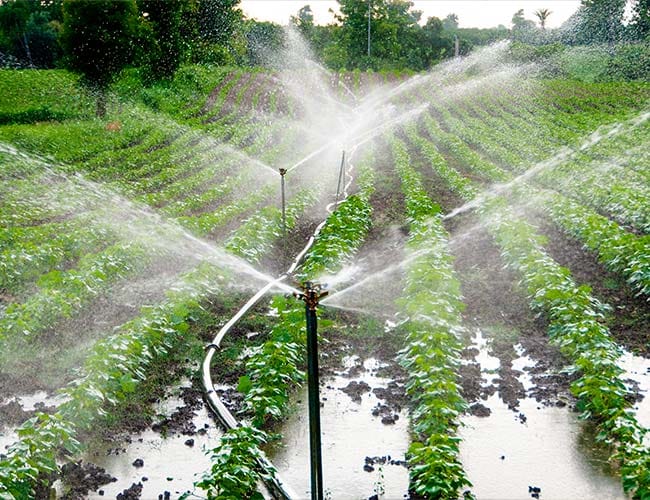
- Agriculture sectors rely on HDPE irrigation and storage systems
- Manufacturers are improving production technologies for high-performance HDPE plastic products
Understanding these trends is essential for manufacturers, distributors, and buyers who want to remain competitive in global markets.
Key Takeaways
- HDPE plastic products are among the most widely used polymer products worldwide.
- The global HDPE market continues to grow due to industrial demand and sustainability initiatives.
- Packaging, construction, agriculture, and logistics industries rely heavily on HDPE materials.
- New technologies are improving the quality and performance of HDPE plastic products.
- Recycling and environmental policies are shaping future HDPE plastic products trends.
Understanding HDPE Plastic Products Trends
What Is HDPE?
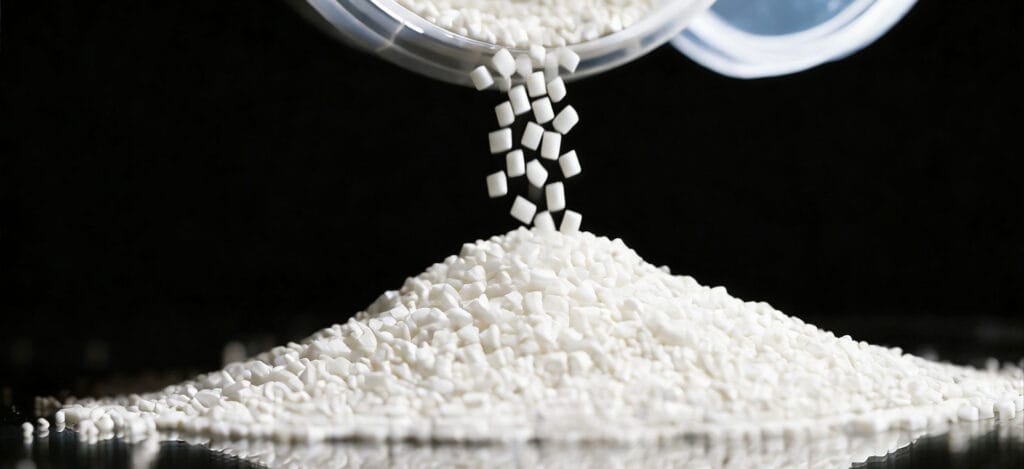
High-density polyethylene is a thermoplastic polymer produced from ethylene monomers. The material structure provides strong molecular bonding, which gives HDPE its characteristic rigidity and durability.
Because of its unique material structure, HDPE plastic products offer excellent performance in demanding environments.
Why HDPE Is Widely Used
Several characteristics make HDPE one of the most widely used plastics in industrial applications.
High Strength-to-Density Ratio
HDPE materials are extremely strong compared with their weight. This allows HDPE plastic products to provide structural strength while remaining lightweight.
Chemical Resistance
HDPE resists many acids, solvents, and chemicals. As a result, many chemical storage containers and pipelines are made from HDPE plastic products.
Moisture Resistance
Unlike some other plastics, HDPE does not absorb moisture easily. This makes it suitable for outdoor applications and long-term exposure environments.
Recyclability
HDPE is one of the most commonly recycled plastics worldwide. Many recycling systems process HDPE plastic products into new materials for manufacturing.
Global Market Overview of HDPE Plastic Products
The global demand for HDPE plastic products continues to grow steadily. Several industries contribute to this expansion.
| Industry Sector | Share of HDPE Demand | Main Applications |
|---|---|---|
| Packaging | 35–40% | Bottles, containers, caps |
| Construction | 20–25% | Pipes, geomembranes |
| Agriculture | 10–15% | Irrigation systems, tanks |
| Consumer Goods | 10–12% | Household containers |
| Industrial Logistics | 8–10% | Pallets, crates |
The packaging sector currently represents the largest share of HDPE plastic products, primarily due to the increasing demand for safe and durable packaging materials.
Major HDPE Plastic Products Trends in the Market
1. Sustainability and Recyclable Materials
One of the most important HDPE plastic products trends is the growing focus on sustainability.
Governments and environmental organizations are encouraging industries to adopt recyclable materials. HDPE is particularly attractive because it can be recycled multiple times without significant loss of performance.
Many companies now produce recycled HDPE plastic products such as containers, pallets, and piping systems.
2. Lightweight Packaging Solutions
Reducing transportation costs has become a priority for many manufacturers.
Because HDPE plastic products are lightweight yet strong, they help companies reduce shipping costs while maintaining product protection.
For example, HDPE bottles are widely used in:
- Food packaging
- Household chemicals
- Personal care products
- Industrial liquids
3. Infrastructure Development
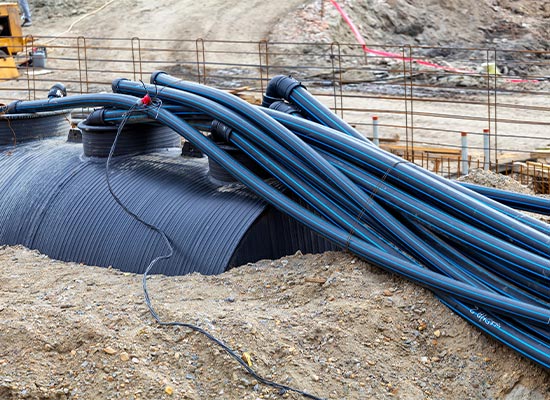
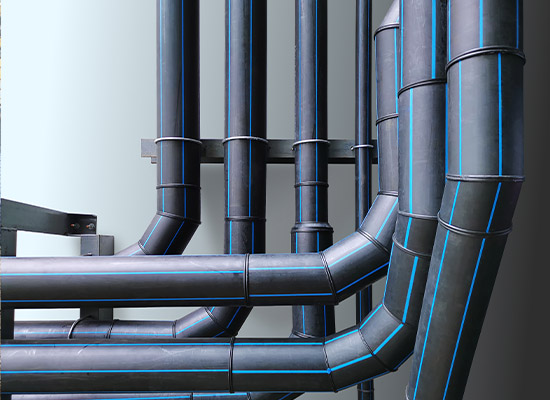
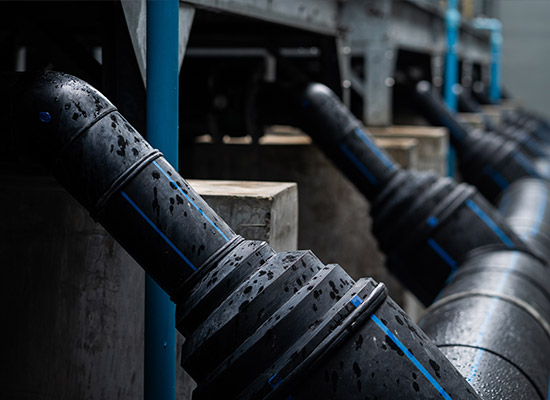
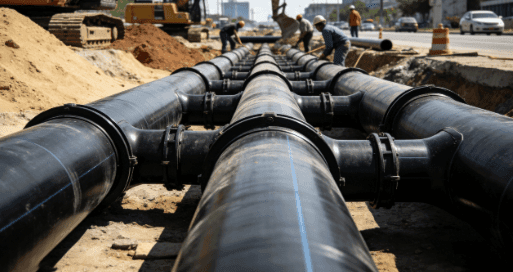
Urbanization and infrastructure expansion are driving demand for HDPE plastic products such as pipes and drainage systems.
HDPE pipes are widely used for:
- Water supply networks
- Sewage systems
- Gas distribution
- Agricultural irrigation
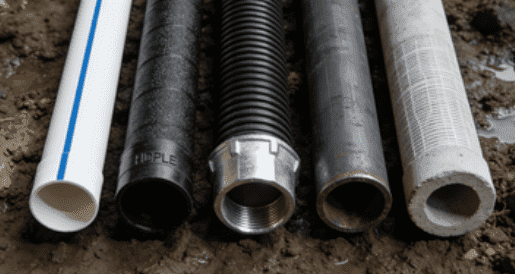
Compared with traditional metal pipes, HDPE pipes offer longer service life and better corrosion resistance.
4. Growth of Industrial Logistics Solutions
Warehouse automation and logistics efficiency are increasing demand for HDPE pallets and crates.
Plastic pallets made from HDPE are preferred because they are:
- Resistant to moisture
- Durable under heavy loads
- Easy to clean
- Long-lasting
Common Types of HDPE Plastic Products
The versatility of HDPE allows manufacturers to produce a wide range of industrial and consumer products.
| Product Type | Industry Use | Key Benefits |
|---|---|---|
| HDPE Pipes | Water supply and gas pipelines | Corrosion resistant |
| HDPE Sheets | Industrial lining and panels | Impact resistant |
| HDPE Containers | Chemical and food storage | Lightweight |
| HDPE Pallets | Logistics and warehousing | Long lifespan |
| HDPE Tanks | Agriculture and industry | Chemical stability |
These HDPE plastic products serve different sectors and contribute to the overall growth of the HDPE market.
Manufacturing Processes Behind HDPE Plastic Products
The quality of HDPE plastic products depends heavily on the manufacturing process used.
Blow Molding
Blow molding is commonly used to produce hollow containers.
Typical products include:
- Bottles
- Storage containers
- Fuel tanks
This method allows manufacturers to produce HDPE plastic products with uniform thickness and excellent strength.
Injection Molding
Injection molding is used to create precise components such as caps, crates, and small containers.
This process provides:
- High production speed
- Accurate dimensions
- Smooth surface finishes
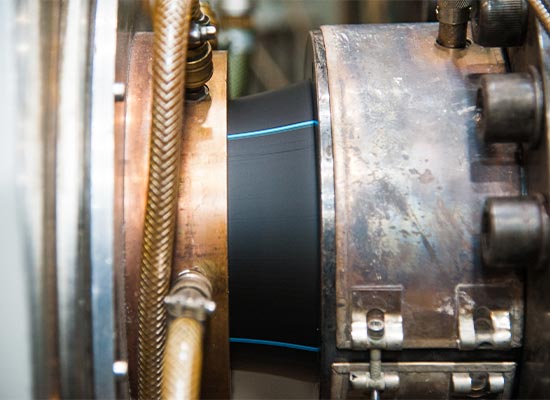
Extrusion
Extrusion is used for continuous products such as pipes, sheets, and profiles.
Many infrastructure HDPE plastic products are produced through extrusion.
HDPE vs Other Plastic Materials
When selecting materials, companies often compare HDPE with other common plastics.
| Property | HDPE | PVC | Polypropylene |
|---|---|---|---|
| Strength | High | Moderate | Moderate |
| Chemical Resistance | Excellent | Good | Good |
| Heat Resistance | Moderate | Moderate | High |
| Flexibility | Good | Low | Moderate |
| Recyclability | Excellent | Moderate | Good |
These comparisons help buyers evaluate whether HDPE plastic products are suitable for their specific applications.
Advantages of HDPE Plastic Products
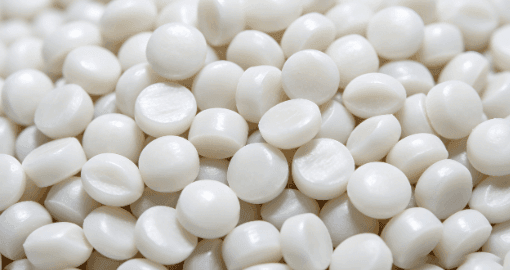
Long Service Life
Many HDPE plastic products can last more than 50 years in infrastructure applications such as piping systems.
Corrosion Resistance
Unlike metal materials, HDPE does not rust or corrode when exposed to moisture or chemicals.
Cost Efficiency
HDPE materials are relatively inexpensive compared with many engineering plastics. This makes HDPE plastic products attractive for large-scale industrial applications.
Safety for Food Applications
HDPE is approved by many regulatory organizations for food contact applications.
Emerging Innovations in HDPE Plastic Products
Smart Additives
Manufacturers are developing additives that improve UV resistance, fire resistance, and durability of HDPE plastic products.
Advanced Recycling Technologies
New recycling technologies allow HDPE to be reused more efficiently. This reduces environmental impact and supports circular manufacturing.
Bio-Based HDPE
Some companies are experimenting with bio-based HDPE produced from renewable resources such as sugarcane.
Although still developing, this innovation could significantly influence future HDPE plastic products trends.
Environmental Impact and Sustainability
Sustainability is a major focus in the plastics industry.
HDPE offers several environmental advantages:
- High recyclability rate
- Long product lifespan
- Reduced material waste
- Lower energy consumption compared with metal production
Many industries now prefer HDPE plastic products because they help reduce environmental impact while maintaining performance.
Factors to Consider When Choosing HDPE Plastic Products
Product Quality Standards
Buyers should verify whether products meet international standards such as:
- ISO certifications
- ASTM material standards
- Food-grade safety approvals
Supplier Manufacturing Capability
Reliable manufacturers provide consistent quality and customization options for HDPE plastic products.
Application Requirements
Different applications require different HDPE properties. Buyers should consider factors such as:
- Temperature resistance
- Chemical exposure
- Mechanical stress
Future Outlook for HDPE Plastic Products
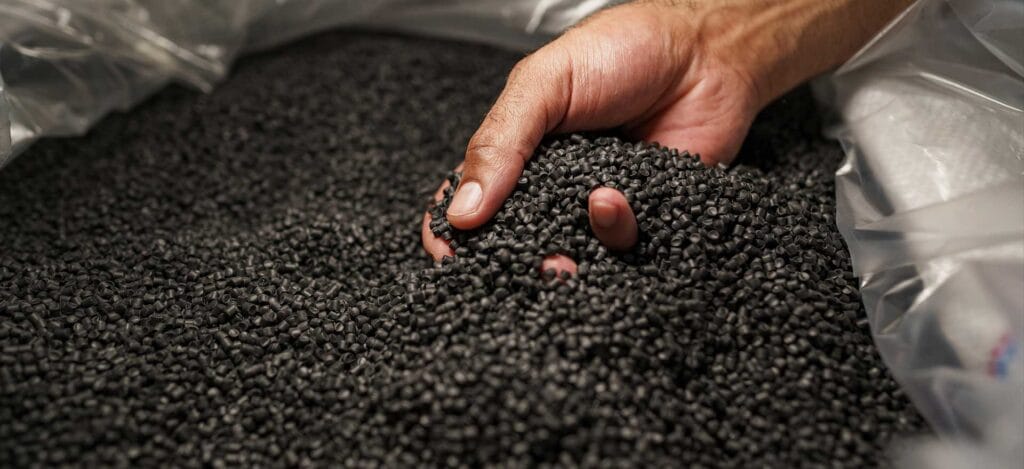
The future of HDPE plastic products looks promising as industries continue to adopt durable and recyclable materials.
Market analysts predict:
- Increased demand for sustainable plastic materials
- Expansion of HDPE use in infrastructure projects
- Continued innovation in recycling technologies
As industries prioritize cost efficiency and environmental responsibility, HDPE plastic products trends are expected to remain strong for the next decade.
FAQ
What are HDPE plastic products commonly used for?
HDPE plastic products are widely used in packaging, piping systems, storage containers, pallets, and industrial equipment.
Why are HDPE plastic products so popular?
They offer excellent durability, chemical resistance, and recyclability while remaining relatively inexpensive.
Are HDPE plastic products safe for food storage?
Yes. Many HDPE plastic products are approved for food contact because the material does not easily leach harmful chemicals.
How long do HDPE plastic products last?
Depending on the application, some HDPE plastic products can last 30–50 years, especially in infrastructure uses like piping systems.
Can HDPE plastic products be recycled?
Yes. HDPE is one of the most widely recycled plastics, and recycled material is often used to produce new HDPE plastic products.