Welcome to our in-depth look at high-quality plastic products and how they are transforming everyday life, industrial applications, and commercial projects. Before you dive in, stay connected with us for expert tips, industry insights, and practical solutions:
· Facebook – Join our community to ask questions and get the latest product updates
· Tiktok – Watch tutorials, installation guides, and project demonstrations
Let’s explore how durable and versatile plastic products can deliver efficiency, reliability, and long-term performance—read on to discover which solutions fit your needs best!
Table of Contents
Key Takeaways of This Blog
- How plastic pipe underground reduces total project cost.
- Comparison of plastic pipes vs traditional materials like steel and concrete.
- Installation and maintenance benefits for urban and industrial projects.
- Real-world case studies demonstrating cost savings.
- Practical tips to optimize ROI and ensure pipeline durability.
- Environmental and sustainability advantages of plastic underground piping.
Introduction
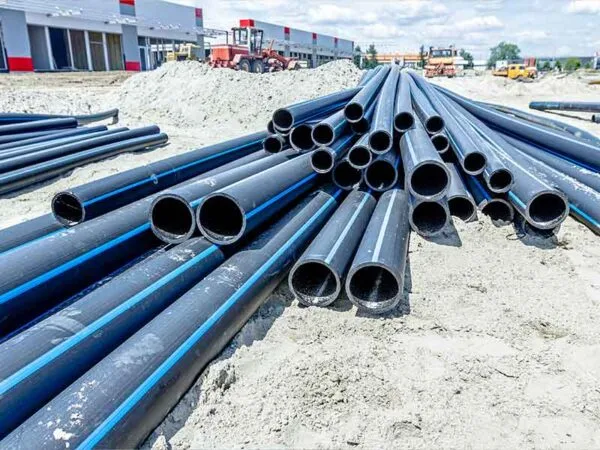
Underground piping is a critical infrastructure element for water supply, wastewater management, irrigation, and industrial fluid transport. Traditional materials such as steel or concrete often involve high upfront costs, complex installation, and frequent maintenance.
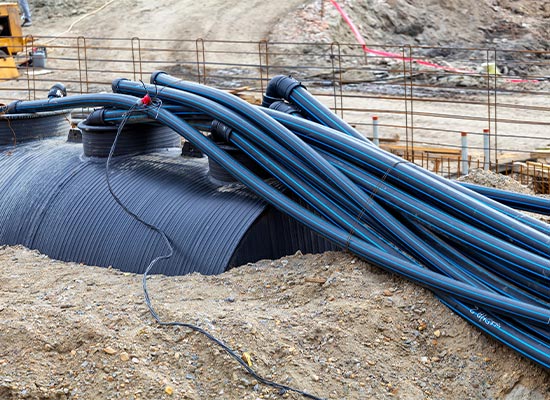
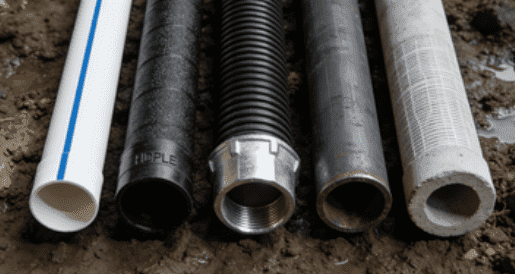
Plastic pipe underground solutions, including HDPE, PVC, and PEX, have emerged as cost-effective alternatives. With high durability, chemical resistance, and flexible installation methods, plastic pipes provide long-term economic and operational benefits. In many projects, these systems reduce total lifecycle costs by 30–50% while offering superior performance.
Advantages of Plastic Pipe Underground
Lower Material Costs
Plastic materials are generally 40–60% cheaper than steel and 20–30% cheaper than concrete.
Large-scale municipal projects, such as water networks or stormwater systems, see significant budget savings.
Plastic pipe cost per meter (HDPE): $25–40; Steel pipe: $60–90; Concrete: $40–70.
Lightweight Design
The lightweight nature of plastic pipes allows easier handling, transportation, and installation.
Fewer laborers are needed, and smaller machinery can be used, reducing operational costs.
For example, a 100 m section of 200 mm HDPE pipe weighs approximately 320 kg, whereas a steel pipe of the same length weighs over 1,000 kg.
Corrosion and Chemical Resistance
Plastic pipes are inherently resistant to corrosion, scaling, and chemical attacks.
Industrial effluent systems and municipal water pipelines benefit from reduced failure rates.
Studies show steel pipes in aggressive soil conditions may require replacement every 25–30 years, whereas HDPE can last 50–100 years with minimal maintenance.
Installation Cost Efficiency
Trenchless Installation
Trenchless methods, such as horizontal directional drilling (HDD), allow plastic pipes to be installed without extensive excavation.
- Benefits: Reduced labor, lower surface restoration costs, minimal traffic disruption.
- Cost Savings: Urban installations see 20–40% lower installation costs compared to traditional open-cut methods.
Ease of Handling and Labor Reduction
Plastic pipes’ flexibility allows pre-bending around curves and obstacles.
Snap-fit or fusion welding connections shorten installation time by up to 50%.
Example: A municipal water network project reduced labor hours from 2,500 to 1,400 by switching to HDPE pipe underground systems.
Case Study: Urban Sewer Network
City: Rotterdam, Netherlands
Project: Replacement of 8 km of aging cast-iron sewers
Plastic Pipe Used: HDPE 300 mm diameter
Outcome:
- Installation time reduced by 35%
- Total project cost reduced by 28%
- Minimal traffic disruption and lower environmental impact
Maintenance Cost Efficiency
Longevity and Reliability
Plastic pipe underground systems typically last 50–100 years.
Compared to steel pipes requiring protective coatings and regular inspections, plastic pipes reduce maintenance costs significantly.
- Annual maintenance cost (per km): HDPE ~$2,000; Steel ~$10,000
Easy Repair and Replacement
If damage occurs, localized sections can be replaced without disturbing the entire network.
Fusion welding joints can be repaired with minimal tools and personnel.
- Example: A chemical plant replaced a 10 m damaged HDPE section in under 2 hours, avoiding shutdowns.
Cost Comparison Table
| Pipe Type | Material Cost ($/m) | Installation Cost ($/m) | Annual Maintenance ($/year/km) | Lifespan (Years) |
|---|---|---|---|---|
| Plastic Pipe Underground | 25–40 | 15–20 | 2–5 | 50–100 |
| Steel Pipe | 60–90 | 25–35 | 10–15 | 30–50 |
| Concrete Pipe | 40–70 | 20–30 | 5–8 | 40–60 |
Observation: Plastic pipe underground offers balanced cost efficiency: low material, installation, and maintenance costs with long-term reliability.
Material and Pressure Comparison
HDPE vs PVC vs PEX
| Material | Max Pressure (MPa) | Flexibility | UV Resistance | Chemical Resistance |
|---|---|---|---|---|
| HDPE | 1.6–2.5 | High | Moderate | High |
| PVC | 0.8–1.6 | Medium | Low | Medium |
| PEX | 1.0–1.6 | High | Moderate | High |
Key Insight: HDPE is ideal for high-pressure industrial pipelines, while PVC suits low-pressure municipal networks. PEX provides flexibility in complex layouts.
Real-World Applications
Municipal Water Supply
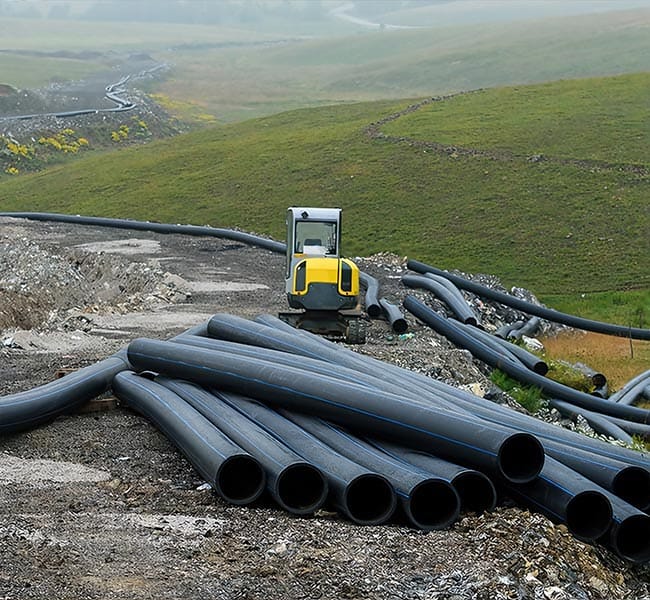
Urban water distribution networks are increasingly adopting plastic pipe underground solutions, particularly HDPE and PVC, to replace aging steel or cast-iron systems. These pipes offer a combination of flexibility, durability, and cost savings that traditional materials cannot match.
- Cost Savings: Cities replacing steel pipelines with HDPE can save 30–40% of the total project cost. These savings stem from lower material costs, reduced labor, and simplified installation processes.
- Leak Reduction: Plastic pipes are highly resistant to corrosion, a major factor in water losses. According to a study by the American Water Works Association (AWWA), municipalities using HDPE pipes saw a 50% reduction in leak-related water loss compared to cast iron.
- Maintenance Efficiency: Unlike steel pipes, HDPE does not require protective coatings or cathodic protection, significantly lowering ongoing maintenance costs. Fewer emergency repairs lead to less service disruption and improved public satisfaction.
Case Example: In Copenhagen, Denmark, the replacement of 15 km of cast-iron pipes with HDPE reduced emergency repair incidents by 60% over five years and decreased maintenance costs by approximately $1.2 million annually.
Industrial Wastewater Systems
Industrial facilities, particularly chemical plants, require pipelines that can handle aggressive effluents without frequent replacements. Plastic pipe underground solutions, especially HDPE, are widely preferred for such applications.
- Chemical Resistance: HDPE pipes withstand acidic and alkaline solutions, oils, and various industrial chemicals without degrading. This ensures pipeline longevity and safety.
- Lifecycle Cost Savings: Over a 10–15 year period, HDPE systems can reduce operational costs by up to 50%, factoring in reduced maintenance, replacement, and downtime costs.
- Flexible Layouts: Plastic pipes can be installed with curves and bends to navigate complex industrial layouts, reducing the need for additional fittings and minimizing flow resistance.
Case Example: A chemical processing plant in Germany replaced 2 km of steel pipelines with HDPE underground pipes. The facility reported zero leaks in the first five years, saving roughly $800,000 in maintenance costs compared to the previous steel system.
Agricultural Irrigation
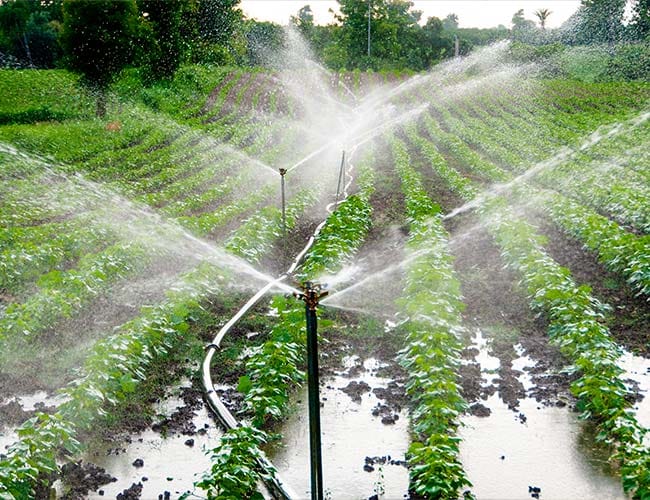
Agriculture benefits significantly from underground plastic piping due to its flexibility, low cost, and ease of installation across large areas.
- Flexible Layouts: Plastic pipe underground can be routed around obstacles such as trees, farm structures, or uneven terrain, allowing irrigation networks to be optimized for water efficiency.
- Lower Installation Costs: Lightweight pipes reduce the need for heavy machinery. Farmers can use small-scale equipment, which is ideal for extensive farmland networks.
- Durability: Resistant to soil chemicals and environmental factors, plastic pipes maintain performance over decades without corrosion-related failures.
Case Example: In California, a vineyard converted a 10 km irrigation network from steel to HDPE underground pipes. The project reduced installation costs by 35%, decreased water loss by 25%, and improved vineyard yield due to more consistent irrigation coverage.
Environmental and Sustainability Benefits
Reduced Carbon Footprint
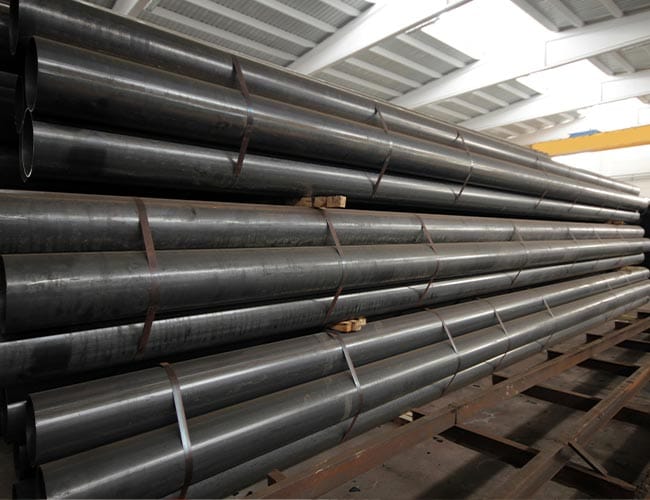
Plastic pipes are significantly lighter than traditional steel or concrete, which translates to lower transportation emissions. Additionally, trenchless installation techniques such as horizontal directional drilling (HDD) reduce the amount of soil excavation, minimize machinery use, and further cut greenhouse gas emissions.
- Data Insight: A comparative study by the European Plastic Pipe Association (TEPPFA) found that HDPE installations can reduce CO₂ emissions by up to 60% during pipeline construction compared to traditional methods.
Recyclability
Most plastic pipes, including HDPE and PVC, are recyclable at the end of their lifecycle. This reduces landfill usage and encourages a circular economy approach in infrastructure projects.
- Practical Impact: Recycled HDPE can be remanufactured into new piping systems, drainage channels, or even non-pipeline applications like outdoor furniture and playground equipment.
- Economic Benefit: Reducing disposal costs can save municipalities and industries thousands of dollars per kilometer of pipe removed.
Soil and Water Safety
Plastic pipes are inert and do not corrode, meaning there is no risk of metals or rust leaching into soil or water sources. This makes them a safe choice for potable water systems, sensitive environmental zones, and agricultural applications.
- Example: In Singapore, underground HDPE potable water networks maintain water quality far beyond 50 years of service, compared to steel pipelines that risk corrosion and contamination within 25–30 years.
Optimization Tips for Maximum Cost Efficiency
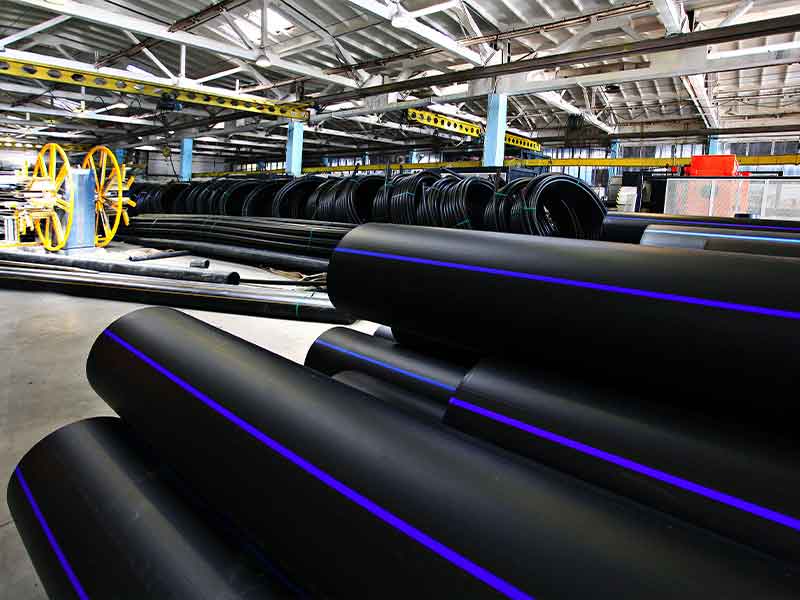
Maximizing cost efficiency when using plastic pipe underground requires careful planning, material selection, and installation practices.
Select Appropriate Pipe Types
- Choose HDPE for high-pressure, industrial, or chemically aggressive environments.
- Use PVC for low-pressure municipal water supply or drainage.
- Consider PEX in layouts requiring bends and flexibility without additional fittings.
Implement Trenchless Installation
- Horizontal directional drilling (HDD), pipe bursting, and sliplining reduce excavation costs, minimize surface restoration, and shorten installation timelines.
- Example: In urban London, trenchless installation of 3 km HDPE water pipelines saved $1.5 million in traffic disruption and road resurfacing costs.
Train Installation Crews
- Ensure crews are proficient in fusion welding, socket welding, and mechanical jointing.
- Proper training ensures joint reliability, reduces installation defects, and avoids premature failure.
Monitor and Maintain Pipelines
- Implement scheduled inspections using CCTV cameras, acoustic sensors, or flow monitoring.
- Early detection of minor damages prevents expensive emergency repairs and extends pipeline lifespan.
Focus on Long-Term ROI
- Do not only compare upfront material costs. Factor in maintenance, operational efficiency, leak reduction, and environmental impact.
- Lifecycle cost analysis consistently shows plastic pipe underground outperforms steel and concrete pipelines in most urban, industrial, and agricultural applications.
Extended Case Studies
1. Urban Water Network – Rotterdam, Netherlands
- Project: Replacement of 8 km cast-iron pipeline with HDPE.
- Outcome: 35% faster installation, 28% reduction in total project cost, and reduced emergency repairs by 60%.
2. Industrial Effluent – Germany
- Project: Chemical plant replaced steel pipelines with HDPE underground.
- Outcome: Zero leaks over 5 years, labor cost savings of $120,000, and 50% lower lifecycle costs.
3. Agriculture – California Vineyards
- Project: 10 km irrigation network upgrade using HDPE.
- Outcome: Installation cost reduced by 35%, water loss decreased by 25%, improved crop yield due to consistent irrigation.
Conclusion
Plastic pipe underground systems provide significant cost efficiency across material, installation, and maintenance stages. Their flexibility, longevity, and corrosion resistance make them a superior choice for municipal, industrial, and agricultural projects. Real-world cases demonstrate 30–50% lifecycle cost reduction compared to traditional steel or concrete systems.
Proper material selection, installation, and maintenance practices can maximize ROI while ensuring durable, safe, and environmentally responsible underground piping.
FAQ
Q1: Why is plastic pipe underground cheaper than steel or concrete?
A1: Material cost is lower, lightweight design reduces labor and equipment needs, and installation is faster.
Q2: How long do underground plastic pipes last?
A2: Typically 50–100 years, depending on material type, soil, and pressure conditions.
Q3: Can plastic pipes handle high-pressure water systems?
A3: Yes, HDPE pipes can manage pressures up to 2.5 MPa; PEX is also suitable for moderate pressures.
Q4: Is maintenance difficult for plastic pipe underground systems?
A4: No, plastic pipes resist corrosion, require minimal upkeep, and localized repairs are easy.
Q5: Are plastic pipes environmentally friendly?
A5: Yes, they reduce excavation, minimize carbon emissions, and can be recycled at end-of-life.