Welcome to our in-depth look at high-quality plastic products and how they are transforming everyday life, industrial applications, and commercial projects. Before you dive in, stay connected with us for expert tips, industry insights, and practical solutions:
· Facebook – Join our community to ask questions and get the latest product updates
· Tiktok – Watch tutorials, installation guides, and project demonstrations
Let’s explore how durable and versatile plastic products can deliver efficiency, reliability, and long-term performance—read on to discover which solutions fit your needs best!
Table of Contents
Key Takeaways of This Article
- Overview of PE pipe and PVC pipe materials
- Differences in durability, flexibility, and chemical resistance
- Cost comparison and installation considerations
- Applications for residential, commercial, and industrial use
- Maintenance and lifespan analysis
- Safety, sustainability, and regulatory compliance
- Case studies and global industry insights
- FAQ addressing common user questions
- Decision-making guide for specific project requirements
Introduction
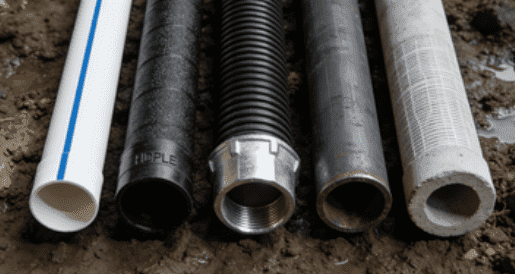
Selecting the right piping material can make or break the efficiency, safety, and long-term durability of your infrastructure projects. With growing urbanization, climate challenges, and industrial demands, engineers, contractors, and homeowners face a critical choice between PE pipe and PVC pipe.
Polyethylene pipes have emerged as a modern solution in water, gas, and industrial pipelines, praised for flexibility, corrosion resistance, and longevity. PVC, on the other hand, remains a popular choice due to cost-effectiveness, rigidity, and ease of installation. Understanding their material properties, performance in various conditions, and industry standards ensures the right selection for your needs.
What is PE Pipe?
Definition and Material Composition
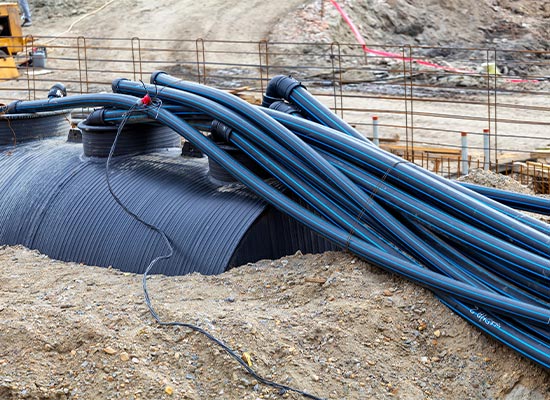
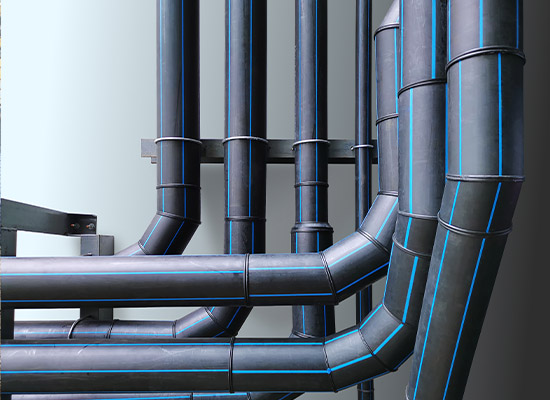
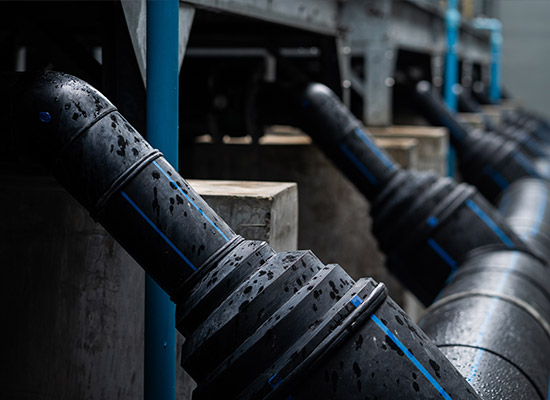
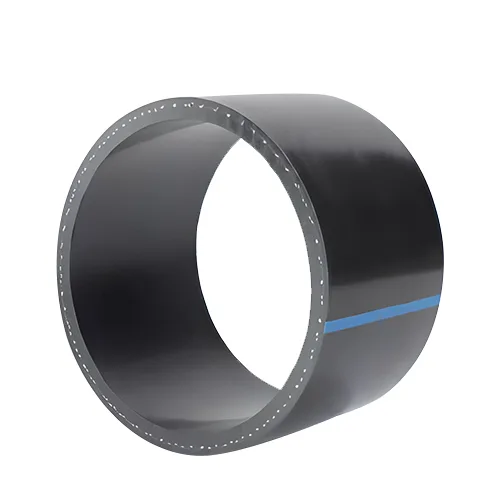
PE (Polyethylene) pipe is made from high-density polyethylene (HDPE) resin, offering high tensile strength, chemical resistance, and thermal flexibility. PE pipes are commonly used in municipal water systems, industrial fluid transfer, and gas distribution.
Standards:
- ISO 4427 – Water supply polyethylene pipes
- ASTM F714 – Standard for PE plastic pipe (pressure-rated)
- EN 12201 – PE pipe systems for water supply
Advantages of PE Pipe
- Durability: Resistant to cracking, stress, and UV degradation when properly treated.
- Flexibility: Can bend to fit around obstacles, minimizing the need for elbows and joints.
- Leak-Free Connections: Fusion welding creates monolithic joints.
- Chemical Resistance: Suitable for acids, alkalis, and other industrial fluids.
- Long Lifespan: Often exceeds 50 years under standard operating conditions.
Common Applications of PE Pipe
- Municipal Water Supply: PE pipes handle high-pressure water transport and underground installation.
- Gas Distribution: HDPE pipes are widely adopted for natural gas, LNG, and LPG distribution networks.
- Industrial Chemical Transport: Resistant to many solvents, PE pipes reduce corrosion issues in chemical plants.
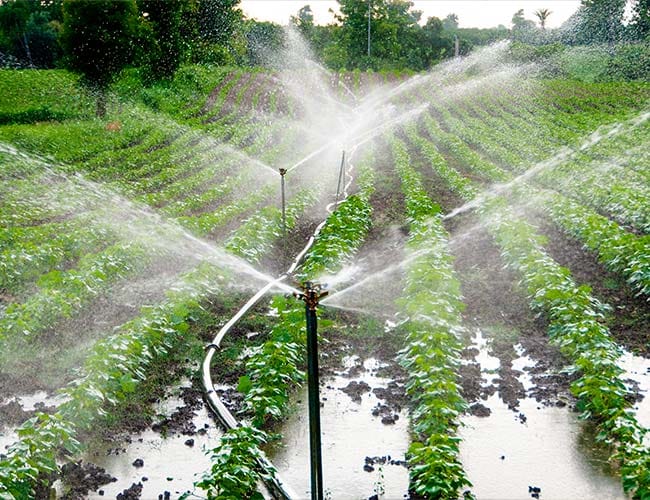
- Irrigation and Agriculture: Flexible design enables efficient field layouts and reduces joint failures.
Understanding PVC Pipe
Definition and Material Composition
PVC (Polyvinyl Chloride) pipes are made from polymerized vinyl chloride, offering rigidity, smooth surfaces, and cost-effective installation. PVC is widely applied in drainage, sewage, and low-pressure water systems.
Standards:
- ASTM D1785 – PVC plastic pipe schedule 40/80
- ISO 1452 – Plastics piping systems for water supply
- EN 1401 – PVC-U sewer systems
Advantages of PVC Pipe
- Low Cost: Lower material and installation costs make it ideal for budget-sensitive projects.
- Ease of Installation: Lightweight and rigid for simple alignment and gluing.
- High Flow Efficiency: Smooth inner walls reduce friction, enhancing fluid flow.
- Resistant to Scale and Corrosion: Unlike metal pipes, PVC does not rust.
Common Applications of PVC Pipe
- Residential Plumbing: Cold water supply, waste drainage, and venting.
- Industrial Applications: Transport of non-corrosive fluids.
- Construction: Temporary piping for concrete, drainage, and site utilities.
PE Pipe vs PVC Pipe: Technical Comparison
| Feature | PE Pipe | PVC Pipe |
|---|---|---|
| Flexibility | High – adapts to bends & curves | Low – rigid, requires elbows |
| Chemical Resistance | Excellent – acids, alkalis | Moderate – sensitive to solvents |
| Temperature Range | -40°C to 60°C | 0°C to 45°C |
| Installation Ease | Moderate – requires fusion tools | Easy – glue or thread connections |
| Lifespan | 50+ years | 25–40 years |
| UV Resistance | Needs stabilizers | Low – requires UV protection |
| Pressure Handling | Up to 25 bar (HDPE rated) | Up to 16 bar (Schedule 40/80) |
| Environmental Impact | Recyclable, less leakage | Less flexible, more plastic waste |
| Cost | Moderate to high | Low to moderate |
Installation Considerations
PE Pipe Installation
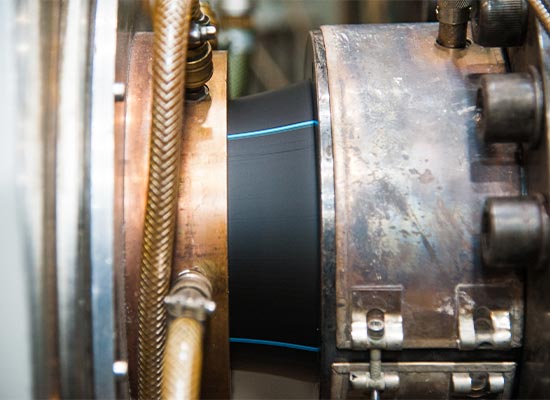
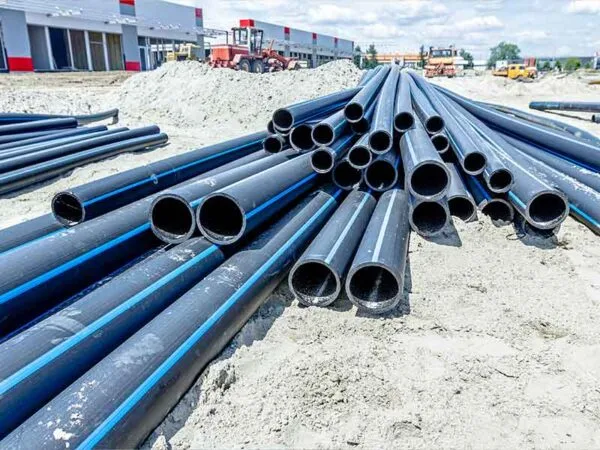
- Fusion Welding: Heat fusion ensures leak-proof joints.
- Trenching: Proper bedding reduces stress and deformation.
- Expansion & Contraction: Requires allowance in layout to prevent buckling.
- Field Welding Machines: ISO 21307 standards guide on-site welding processes.
PVC Pipe Installation
- Solvent Cement: Fast, simple joints suitable for cold water applications.
- Support and Brackets: Rigid pipes need frequent support for long runs.
- Temperature Sensitivity: Avoid direct sun exposure or high temperatures.
Maintenance and Longevity
PE Pipe
- Minimal maintenance due to flexibility and chemical resistance.
- Rarely requires joint replacement if proper fusion welding is applied.
- Resistant to underground soil movement and external pressure.
PVC Pipe
- Requires occasional inspection for joint integrity.
- Vulnerable to cracking under impact or extreme temperature changes.
- UV exposure can degrade outdoor pipes without protective coatings.
Environmental and Safety Considerations
- PE Pipe: Recyclable, fewer leaks reduce water loss, and lower carbon footprint.
- PVC Pipe: Manufacturing releases chlorine compounds; must be properly recycled.
- Safety: Both materials are non-toxic for potable water when produced to ISO or ASTM standards.
Global Case Studies
Municipal Water System in Germany
A 30 km water pipeline replaced aging cast iron with PE pipe, reducing leak rates by 70% and maintenance costs by 40% over five years.
Industrial Chemical Plant in China
HDPE pipes were installed for chemical transfer systems, withstanding acids and high-pressure flow for over a decade with zero failures.
Residential Development in the USA
PVC pipes were used for drainage in a large residential community. Despite UV exposure, proper installation and coating ensured 25+ years of service.
Cost Analysis
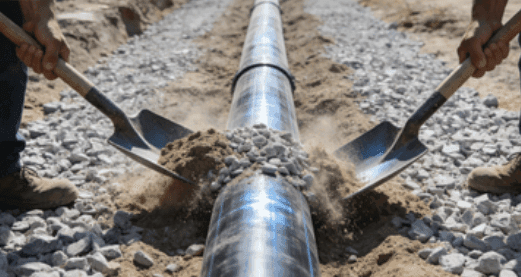
While PVC is cheaper initially, PE pipe reduces lifetime costs due to durability, reduced maintenance, and fewer repairs. Consider lifecycle cost models:
| Material | Initial Cost | Maintenance | Lifespan | Total 50-Year Cost Estimate |
|---|---|---|---|---|
| PE Pipe | Medium | Low | 50+ yr | Moderate |
| PVC Pipe | Low | Medium | 25–40 yr | Higher over 50 years |
Decision Guide
- Residential cold water systems: PVC is suitable.
- Industrial or chemical transport: PE is recommended.
- High flexibility requirements: PE pipe preferred.
- Budget projects: PVC can reduce upfront costs.
- Sustainability-focused projects: PE pipe offers reduced leakage and recyclability.
Conclusion
Choosing between PE pipe and PVC pipe requires considering durability, flexibility, cost, and application environment. PE pipe offers superior flexibility, durability, and chemical resistance, making it ideal for industrial, gas, and high-pressure applications. PVC pipe is cost-effective, easy to install, and suitable for residential or low-pressure systems.
Making the right decision ensures efficiency, safety, and long-term cost savings. Understanding the nuances of each material allows engineers, contractors, and homeowners to optimize their projects.
FAQ
Q1: Can PE pipe carry hot water?
A: Standard PE is limited to 60°C. For hot water, PEX (cross-linked polyethylene) is used.
Q2: How long does PE pipe last underground?
A: Properly installed PE pipe can exceed 50 years.
Q3: Can PVC pipe handle pressure water systems?
A: Yes, within rated pressure (usually up to 16 bar for Schedule 40/80).
Q4: Is PE pipe environmentally friendly?
A: Yes, it is recyclable and reduces leak-related water loss.
Q5: Which is better for gas distribution?
A: HDPE pipes are preferred due to chemical resistance and leak-free joints.