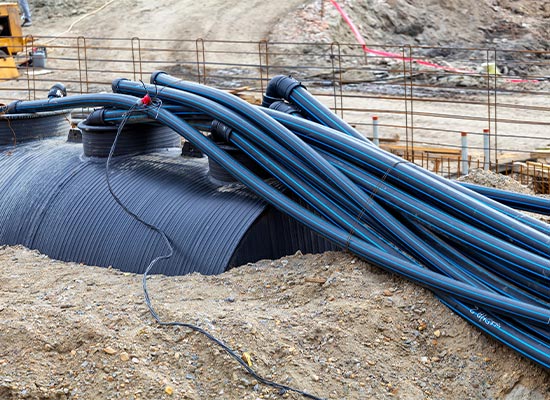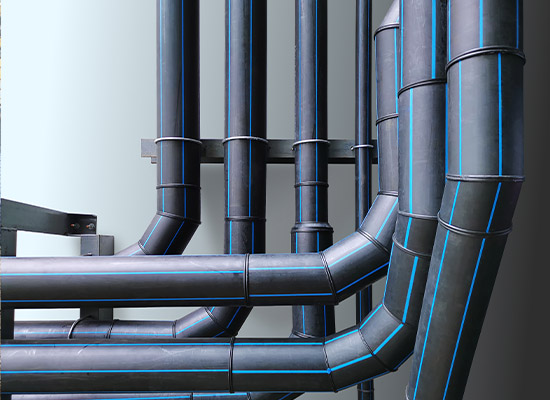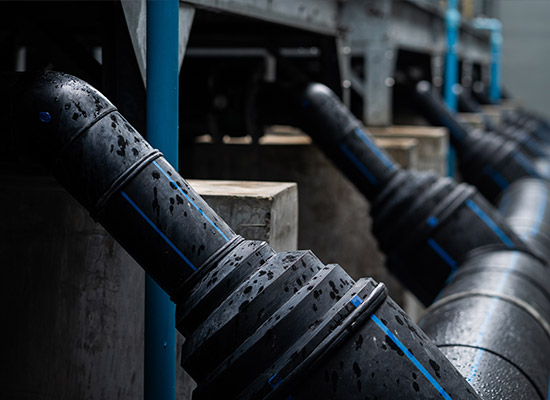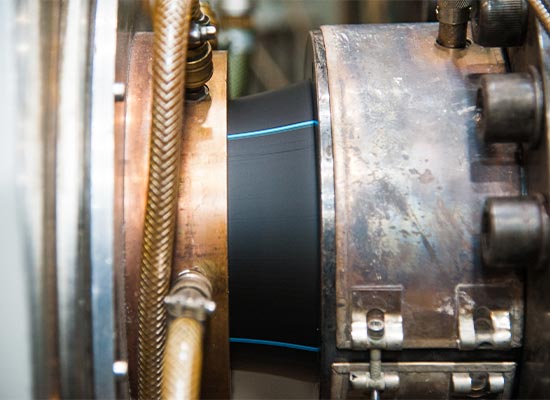
The plastic piping industry has undergone significant transformations over the past few decades, and the future looks even more promising. Driven by technological advancements, environmental considerations, and evolving market demands, plastic pipes are poised to become even more integral to various industries, including construction, water supply, agriculture, and energy. This article aims to analyze the key trends that will shape the future of the plastic piping industry.
1. Sustainability and Environmental Impact
One of the most prominent drivers in the future development of the plastic piping industry is sustainability. As global awareness of environmental issues grows, industries are increasingly seeking ways to reduce their carbon footprints. Plastic pipes, particularly those made from materials like polyethylene (PE), polypropylene (PP), and polyvinyl chloride (PVC), are gaining recognition for their lower environmental impact compared to traditional materials like metal and concrete.
Plastic pipes are lighter, more durable, and easier to transport, which significantly reduces energy consumption during installation. Additionally, many plastic pipes are recyclable, making them an environmentally friendly option. Over the coming years, the industry is expected to see a rise in the adoption of eco-friendly materials and technologies. For example, new developments in biodegradable plastics and improved recycling processes will help address concerns about plastic waste and its impact on the environment.
In addition, governments worldwide are setting stricter regulations to curb the use of harmful materials and promote eco-friendly alternatives. This shift will push the plastic piping industry to innovate and adapt, focusing on materials that meet these regulatory requirements while maintaining high performance.
2. Technological Advancements and Smart Pipelines
The advancement of technology in the plastic piping industry is another major trend that is set to drive growth and innovation. The integration of “smart” technologies into plastic pipelines is opening up new possibilities for monitoring, maintenance, and efficiency. Smart pipes embedded with sensors can provide real-time data on pressure, temperature, flow rate, and even the presence of potential blockages or leaks. These advancements will help improve the efficiency of water management systems, reduce wastage, and provide early warnings to prevent pipeline failures.
As cities and infrastructures grow smarter, the demand for integrated solutions will continue to rise. Smart plastic piping will be essential for industries such as water distribution, wastewater management, and gas transportation. The development of “Internet of Things” (IoT) solutions in pipelines will enable better monitoring and automation of various systems, reducing maintenance costs and increasing reliability.
Moreover, advancements in pipe fusion technologies, such as electrofusion and butt fusion welding, are making the installation of plastic pipes faster and more secure. This technology enables seamless jointing and ensures that the integrity of the pipeline remains intact over long periods of use. These developments will continue to play a critical role in the long-term growth of the plastic piping industry.
3. Growing Demand in Emerging Markets
As urbanization continues at a rapid pace, especially in developing countries, the demand for plastic piping solutions is set to rise. Emerging markets, particularly in Asia, Africa, and Latin America, are witnessing significant investments in infrastructure projects, including water supply, sewage systems, and energy distribution. Plastic pipes are gaining popularity in these regions due to their cost-effectiveness, durability, and ease of installation.
In countries where traditional pipe materials like metal or concrete are too expensive or difficult to transport, plastic pipes offer a reliable alternative. Moreover, the flexibility and corrosion resistance of plastic pipes make them ideal for various climates and conditions. The growing need for affordable and reliable infrastructure in these emerging markets will be a key driver for the global plastic piping industry’s expansion.
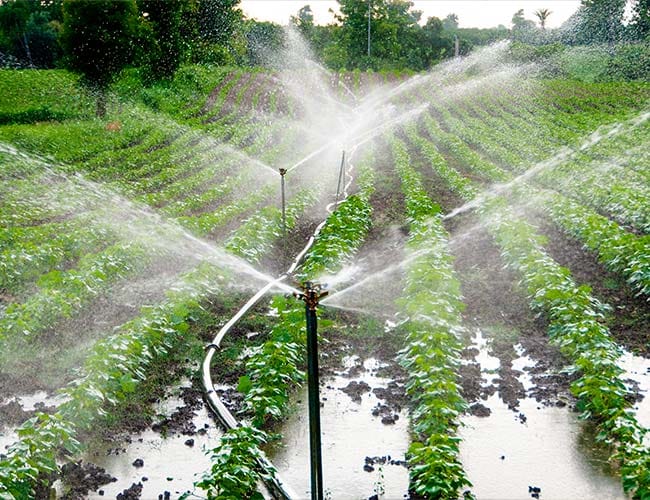
Additionally, industries such as agriculture and oil and gas are increasingly turning to plastic pipes for their efficiency and ability to withstand harsh environments. The rise of “smart irrigation” systems and the expansion of energy exploration in remote locations further boost the demand for specialized plastic piping solutions in these sectors.
4. Advancements in Material Science
The future of the plastic piping industry will be largely shaped by ongoing advancements in material science. Manufacturers are constantly exploring new materials that can offer improved performance, longevity, and resistance to environmental factors like UV radiation, chemicals, and extreme temperatures.
Polyethylene (PE), one of the most commonly used materials for plastic pipes, is undergoing innovations to make it even more durable and adaptable to various applications. High-density polyethylene (HDPE) pipes, for example, are becoming increasingly popular for water and gas distribution systems due to their high strength-to-weight ratio and long-term performance.
Similarly, polypropylene (PP) pipes are gaining traction for their resistance to high temperatures and chemical corrosion, making them ideal for industrial applications. The development of cross-linked polyethylene (PEX) pipes, which offer enhanced flexibility and resistance to freezing temperatures, is also opening up new opportunities for the residential plumbing market.
In addition to improving the material properties of existing plastics, researchers are working on developing entirely new polymers and composite materials that can provide even greater strength, flexibility, and sustainability. As material science continues to evolve, the performance and versatility of plastic pipes will only improve, broadening their range of applications.
5. Increasing Adoption of Trenchless Technology
The adoption of trenchless technology is revolutionizing the way plastic pipes are installed and maintained. Trenchless installation methods, such as horizontal directional drilling (HDD) and pipe bursting, allow for the placement of pipes without the need for extensive excavation, reducing the disruption to existing infrastructure and minimizing the environmental impact of construction projects.
These methods are particularly advantageous in urban environments where digging up roads or disrupting existing infrastructure is costly and disruptive. As demand for faster, more cost-effective installation methods increases, trenchless technology will continue to grow in popularity, driving further demand for plastic pipes, which are easier to install using these techniques compared to other materials like metal or concrete.
Trenchless technology offers benefits beyond installation, as it also allows for the replacement and rehabilitation of old pipelines without the need for significant digging or removal. This is particularly important as many urban areas face the challenge of aging infrastructure, and trenchless technology offers a less disruptive way to modernize and upgrade existing systems.
6. Regulatory Changes and Standards Compliance
As the global push for environmental protection intensifies, stricter regulations are being introduced across many countries regarding the use of materials in construction and infrastructure projects. The plastic piping industry must comply with these regulations to remain competitive and ensure the continued adoption of plastic pipes.
In particular, standards related to the safety and sustainability of materials, such as those set by ISO and ASTM International, will drive manufacturers to innovate in product design and material selection. The adoption of stringent regulations on plastic waste management and recycling will also encourage the development of recyclable and eco-friendly plastic piping solutions, aligning the industry with broader environmental goals.
Moreover, as water and gas utility companies face increasing pressure to meet sustainability targets, they will continue to seek out innovative, environmentally responsible piping materials. Companies that can demonstrate a commitment to compliance with evolving environmental standards and regulations will have a distinct competitive advantage.
Conclusion
The plastic piping industry is on the verge of significant transformation, driven by sustainability concerns, technological advancements, and the growing demand for infrastructure in emerging markets. As the industry moves forward, plastic pipes will continue to play a critical role in building the infrastructure necessary for urbanization, agriculture, energy, and environmental protection.
With advancements in materials science, the integration of smart technologies, and the growing adoption of trenchless installation methods, the future of the plastic piping industry looks bright. Companies that can stay ahead of the curve by investing in R&D, improving sustainability practices, and meeting regulatory requirements will be well-positioned to lead in this dynamic market.
As the world continues to seek more efficient, environmentally friendly, and cost-effective solutions, plastic piping will remain an essential part of the global infrastructure landscape, offering innovative and sustainable solutions for decades to come.