Welcome to our in-depth look at high-quality plastic products and how they are transforming everyday life, industrial applications, and commercial projects. Before you dive in, stay connected with us for expert tips, industry insights, and practical solutions:
· Facebook – Join our community to ask questions and get the latest product updates
· Tiktok – Watch tutorials, installation guides, and project demonstrations
Let’s explore how durable and versatile plastic products can deliver efficiency, reliability, and long-term performance—read on to discover which solutions fit your needs best!
Table of Contents
Key Takeaways
- Anti bird netting for garden is one of the most effective and sustainable solutions to prevent crop loss
- Bird damage can reduce yields by 20%–80% depending on crop type and season
- Proper mesh size, material, and installation determine long-term performance
- Netting solutions outperform chemical and acoustic deterrents in consistency
- Modern netting systems are UV-resistant, reusable, and cost-efficient
Introduction
Every year, gardeners and commercial growers lose a significant portion of their harvest due to bird activity. From pecked fruits to uprooted seedlings, bird damage is often underestimated until it becomes visible—and by then, the loss is already irreversible.
Recent agricultural reports indicate that bird-related crop damage globally results in billions of dollars in losses annually, especially in fruit, vegetable, and grain production sectors. For small-scale gardeners, even minor losses can impact food supply and profitability.
This is where anti bird netting for garden becomes essential—not just as a protective tool, but as a strategic investment in productivity, sustainability, and long-term garden success.
Understanding Anti Bird Netting for Garden
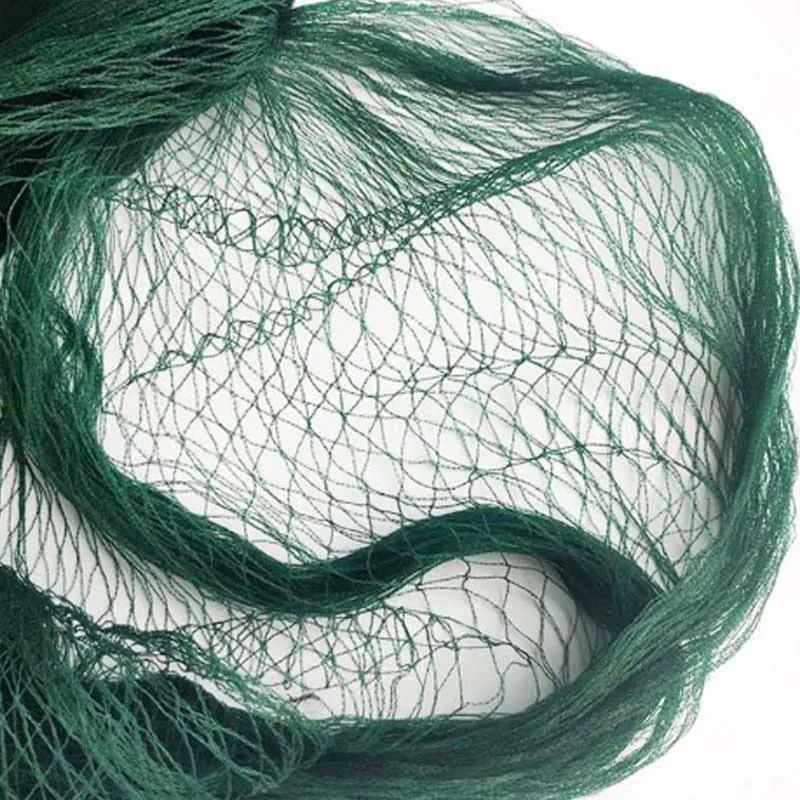
What is Anti Bird Netting for Garden?
Anti bird netting for garden is a specially designed mesh barrier used to physically block birds from accessing plants. It is typically made from polyethylene or nylon materials. This solution provides protection without harming wildlife.
Why Bird Damage is a Serious Problem
Birds target seeds, fruits, and tender shoots. Studies show that crops like berries and grapes are particularly vulnerable. Even a small flock can destroy large sections of a garden within hours.
Key Concepts Behind Garden Netting Protection
Physical Barrier Protection
A physical barrier is the most reliable form of bird control. It eliminates dependency on behavioral deterrents. This ensures continuous and predictable protection.
Mesh Size Optimization
Mesh size determines the level of protection. For example:
- 10–15 mm mesh: blocks small birds like sparrows
- 20–25 mm mesh: suitable for medium birds
Choosing the wrong size reduces effectiveness significantly.
UV Stabilization Technology
UV-treated netting can last 3–5 years or more under outdoor exposure. Without UV protection, materials degrade quickly. This impacts durability and increases replacement costs.
Garden Netting vs Bird Damage: A Practical Comparison
Without Netting
- Yield loss: up to 50% in fruit crops
- Increased pest attraction due to damaged plants
- Uneven harvest quality
- Higher long-term costs
With Anti Bird Netting for Garden
- Yield protection up to 95% effectiveness
- Consistent crop quality
- Reduced need for pesticides
- Improved return on investment
Scientific Data and Industry Insights
Research Findings on Bird Damage
According to agricultural studies:
- Blueberries and cherries can suffer 30%–70% losses without protection
- Vegetable crops like lettuce and spinach face 10%–40% damage rates
- Bird activity peaks during early morning and harvest seasons
FAO and Agricultural Reports
Organizations such as the Food and Agriculture Organization highlight the importance of non-lethal pest control methods. Netting is recommended as a sustainable alternative to chemical deterrents.
Types of Anti Bird Netting for Garden
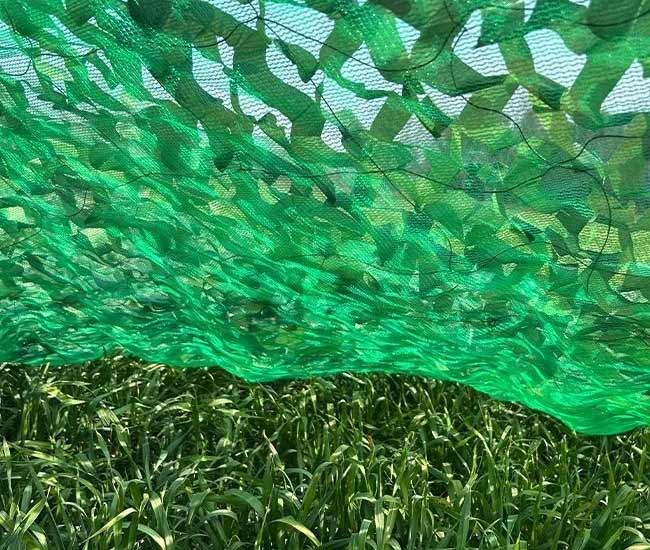
Lightweight Garden Netting
Ideal for home gardens and seasonal use. Easy to install and remove. Provides basic protection against common bird species.
Heavy-Duty Netting
Designed for commercial agriculture. Offers higher tensile strength and longer lifespan. Suitable for large-scale applications.
Knotted vs Knotless Netting
Knotted Netting
Provides stronger structure and durability. Better for long-term outdoor use. Resistant to tearing.
Knotless Netting
Smoother surface reduces plant damage. Easier to handle and install. Preferred for delicate crops.
Installation Methods for Anti Bird Netting for Garden
Direct Cover Method
Netting is placed directly over crops. Simple and cost-effective. Best for low-growing plants like strawberries.
Frame Support System
A structure supports the netting above plants. Prevents contact with crops. Allows better airflow and maintenance access.
Tunnel Netting System
Used for row crops. Provides full enclosure. Ideal for vegetables and small fruits.
Comparison Table: Netting vs Other Bird Control Methods
| Method | Effectiveness | Cost | Maintenance | Eco-Friendly |
|---|---|---|---|---|
| Anti Bird Netting for Garden | High (90–95%) | Medium | Low | Yes |
| Scare Devices | Medium (40–60%) | Low | High | Yes |
| Chemical Repellents | Low (20–40%) | Medium | Medium | No |
| Reflective Tape | Low (10–30%) | Low | High | Yes |
Performance Factors That Influence Netting Efficiency
Environmental Conditions
Wind, sunlight, and rain affect netting performance. High-quality materials withstand harsh conditions. Proper installation prevents damage.
Installation Quality
Loose or improperly fixed netting reduces effectiveness. Birds can find gaps easily. Secure edges and proper tension are critical.
Maintenance Practices
Regular inspection ensures long-term performance. Repairing small tears prevents larger issues. Proper storage extends lifespan.
Cost Analysis and ROI of Anti Bird Netting for Garden
Initial Investment vs Long-Term Savings
Although initial costs may seem moderate, the long-term benefits outweigh expenses. Reduced crop loss leads to higher profitability. Netting can pay for itself within one or two growing seasons.
Example Cost Breakdown
- Small garden netting: $20–$50
- Medium setup: $100–$300
- Commercial system: $500+
ROI Example
A berry farm using netting reported:
- 60% reduction in crop loss
- 30% increase in marketable yield
- ROI achieved within one season
Case Study: Commercial Garden Protection Success
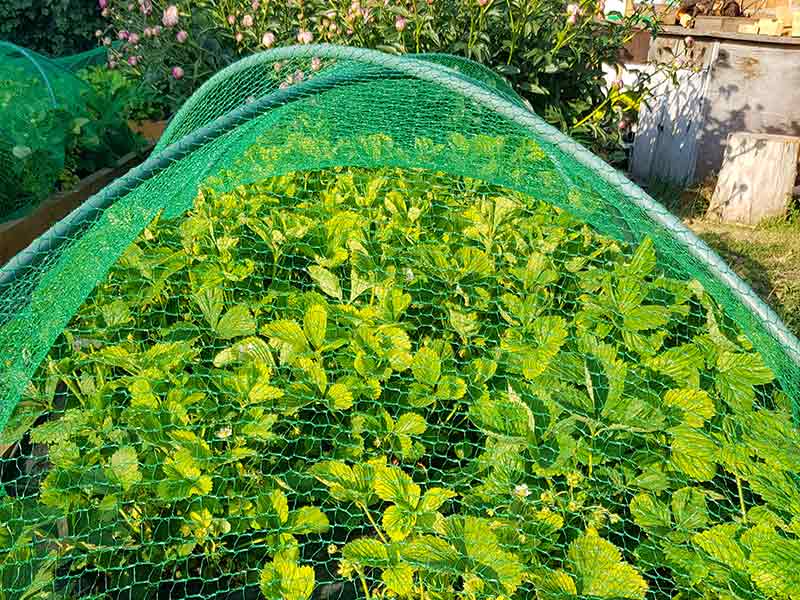
A mid-sized strawberry farm in California implemented anti bird netting for garden across 5 acres. Before installation, the farm experienced approximately 35% crop loss due to birds.
After adopting netting:
- Crop loss dropped to under 5%
- Harvest consistency improved significantly
- Labor costs decreased due to reduced monitoring
This real-world example demonstrates the practical value of netting systems.
Environmental and Sustainability Benefits
Reduced Chemical Use
Netting eliminates the need for chemical repellents. This protects soil and water quality. It also supports organic farming practices.
Wildlife-Friendly Solution
Birds are not harmed. They are simply prevented from accessing crops. This aligns with environmental protection standards.
Compliance with Regulations
Many regions restrict chemical pest control. Netting complies with these regulations. It is a future-proof solution.
Advanced Features in Modern Netting Systems
Anti-UV Coating
Extends product lifespan. Maintains strength under sunlight exposure. Reduces replacement frequency.
High Tensile Strength Materials
Improves durability. Prevents tearing in windy conditions. Suitable for large installations.
Customizable Designs
Netting systems can be tailored to specific garden layouts. This improves efficiency and coverage.
Buying Guide for Anti Bird Netting for Garden
Material Selection
Choose polyethylene or HDPE materials. They offer durability and UV resistance. Avoid low-quality plastics.
Mesh Size Consideration
Match mesh size with target bird species. Smaller mesh provides broader protection. Larger mesh may be insufficient.
Installation Requirements
Evaluate garden size and structure. Choose between direct cover or frame systems. Proper planning ensures effectiveness.
FAQ
Does anti bird netting for garden really work?
Yes, it is one of the most effective bird control methods available. It creates a physical barrier that prevents birds from reaching crops. When installed correctly, it can reduce damage by up to 90%.
What mesh size should I choose?
Mesh size depends on bird species. Smaller birds require finer mesh. For general use, 10–20 mm mesh is recommended.
Is anti bird netting safe for birds?
Yes, it is a humane solution. It does not trap or harm birds. Proper installation ensures safety.
How long does garden netting last?
High-quality netting can last 3–5 years or more. UV-resistant materials extend lifespan. Maintenance also plays a role.
Can I reuse anti bird netting for garden?
Yes, most netting can be reused. Proper handling and storage maintain its condition. This makes it cost-effective.
Conclusion
When comparing garden netting vs bird damage, the results are clear: anti bird netting for garden provides unmatched protection, sustainability, and long-term value. With proven effectiveness, scientific backing, and real-world success cases, it remains the most reliable solution for gardeners and growers aiming to protect their crops and maximize yields.
Investing in the right netting system is not just about protection—it is about ensuring consistent quality, reducing losses, and building a more efficient and sustainable gardening future.