In recent years, plastic pipes, particularly those made from materials like Polyethylene (PE), Polyvinyl Chloride (PVC), and Polypropylene (PP), have become essential components in various industries, especially in agriculture and construction. These materials have evolved to meet the demands of modern infrastructure, offering an array of benefits including durability, cost-effectiveness, environmental friendliness, and ease of installation. This article explores the significant role of plastic pipes in agriculture and construction, highlighting their growing importance in sustainability and efficiency.
Plastic Pipes in Agriculture: Enhancing Irrigation and Water Management
Agriculture relies heavily on efficient water management, and plastic pipes have emerged as a game-changer in this sector. With global water scarcity becoming an increasingly urgent issue, the need for advanced irrigation systems is more critical than ever. Traditional irrigation methods often result in water wastage, inefficiency, and high maintenance costs. Plastic pipes, especially those made from PE and PVC, offer solutions to these challenges, helping farmers optimize water usage and boost crop production.
1. Drip Irrigation Systems:
One of the most notable applications of plastic pipes in agriculture is in drip irrigation systems. These systems, often made with PE pipes, deliver water directly to the roots of plants through small, controlled openings or emitters. The use of plastic pipes in drip irrigation reduces water loss through evaporation and runoff, ensuring that every drop of water is effectively utilized. This results in a significant reduction in water consumption—up to 50-70% less compared to traditional surface irrigation methods.
Drip irrigation is particularly beneficial in regions with limited water resources, where water conservation is critical. Additionally, the flexibility of plastic pipes allows for easy installation and maintenance of drip irrigation networks, even in uneven or rocky terrain. Moreover, the long lifespan and corrosion resistance of plastic pipes further enhance the sustainability of these irrigation systems.
2. Pipe Networks for Sprinkler Systems:
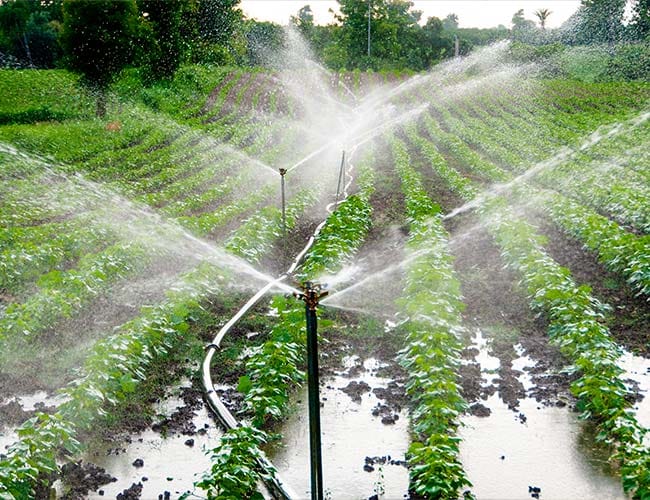
Plastic pipes also play a key role in sprinkler irrigation systems, which are used to water crops over larger areas. PVC and PE pipes are commonly used to transport water to sprinklers, ensuring even water distribution across fields. These systems can be automated, further improving efficiency by ensuring that crops receive the appropriate amount of water based on real-time weather data and soil moisture levels.
In areas with irregular or hilly landscapes, plastic pipes are preferred due to their lightweight nature, which makes them easier to handle and install compared to traditional metal or concrete pipes. Additionally, plastic pipes’ resistance to corrosion and scaling ensures that they maintain their performance over time, making them a reliable choice for farmers.
3. Water Storage and Distribution:
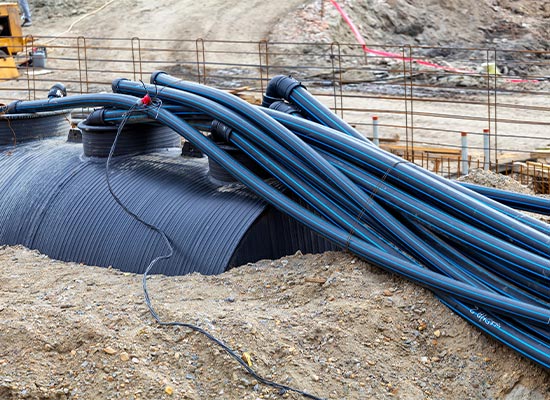
Plastic pipes are also widely used in water storage and distribution systems in agriculture. For example, PE pipes are commonly used to construct water storage tanks and to transport water from reservoirs to fields. The durability and leak-resistant nature of plastic pipes ensure that water is efficiently stored and distributed without significant losses.
Furthermore, plastic pipes are increasingly used for rainwater harvesting systems, which collect and store rainwater for later use. This is especially valuable in regions prone to droughts, as it provides an alternative source of water during dry spells, reducing dependence on traditional water sources.
Plastic Pipes in Construction: Building the Future of Infrastructure
In the construction industry, plastic pipes have become indispensable in both residential and commercial building projects. They offer numerous advantages over traditional materials like metal and concrete, particularly in areas such as plumbing, drainage, heating, and electrical conduit systems.
1. Plumbing Systems:
In modern construction, plastic pipes, especially PPR (Polypropylene Random Copolymer) and PVC, are widely used in plumbing systems. These pipes are favored for their durability, ease of installation, and resistance to corrosion. Unlike metal pipes, which can rust or corrode over time, plastic pipes are immune to the effects of water and chemicals, ensuring long-lasting performance.
For both hot and cold water supply systems, PPR pipes are ideal due to their high resistance to temperature changes and pressure. They are commonly used in both residential and commercial plumbing, where they ensure reliable, leak-free water supply. Additionally, the lightweight nature of plastic pipes makes them easier to handle and install, reducing labor costs and installation time.
2. Drainage and Wastewater Systems:
In construction, the role of plastic pipes extends beyond water supply to wastewater drainage and stormwater systems. PVC pipes are the most commonly used material for sewage and drainage systems due to their strength, flexibility, and resistance to chemicals and abrasions. These pipes are capable of handling high volumes of wastewater, ensuring the effective removal of waste from buildings.
The smooth internal surface of PVC pipes reduces friction, which helps to prevent blockages and improves the efficiency of wastewater flow. Additionally, the durability of plastic pipes ensures that they are less prone to cracks and leaks, which can lead to costly repairs and environmental damage.
3. Electrical Conduits:
Plastic pipes also serve as the conduit for electrical wiring in buildings. PVC and HDPE pipes are used to protect electrical cables and wires, ensuring safe and organized installation of electrical systems. These plastic conduits are highly resistant to corrosion, impact, and temperature fluctuations, making them an ideal choice for both indoor and outdoor applications. Their flexibility allows for easy installation around corners and through walls, reducing the need for multiple joints and connectors.
Moreover, the non-conductive nature of plastic ensures that electrical wiring remains protected from short circuits and other electrical hazards. Plastic conduits are also lighter than metal alternatives, making transportation and installation faster and more cost-effective.
4. Fire Safety Systems:
Another growing application of plastic pipes in construction is in fire safety systems. CPVC (Chlorinated Polyvinyl Chloride) pipes are commonly used in fire sprinkler systems. These pipes are resistant to high temperatures and fire, making them ideal for use in buildings where fire safety is a priority. CPVC pipes are also easier to install and maintain, contributing to reduced installation costs in fire protection systems.
Sustainability and Future Outlook
The use of plastic pipes in both agriculture and construction not only offers immediate benefits such as cost savings and ease of installation but also contributes to long-term sustainability goals. As environmental concerns grow, the demand for materials that are both durable and recyclable is expected to increase. Plastic pipes, especially those made from HDPE and PVC, can be recycled, helping to reduce waste and promote a circular economy.
Moreover, as governments around the world continue to prioritize sustainable infrastructure development, the adoption of plastic pipes in both agriculture and construction is likely to rise. Advances in material technology, such as the development of biodegradable plastics and more energy-efficient manufacturing processes, will further enhance the environmental benefits of plastic pipes.
Conclusion
Plastic pipes have firmly established themselves as a key component in both the agricultural and construction sectors. Their versatility, durability, cost-effectiveness, and environmental advantages make them an indispensable part of modern infrastructure. From efficient irrigation systems in agriculture to reliable plumbing and drainage solutions in construction, plastic pipes are revolutionizing how we manage water, energy, and resources.
As industries continue to prioritize sustainability, the role of plastic pipes is only set to grow. With ongoing advancements in material science and increased focus on recycling and waste reduction, plastic pipes are poised to play a significant role in the global shift towards greener, more efficient infrastructure systems.