مرحبًا بكم في نظرتنا المتعمقة إلى المنتجات البلاستيكية عالية الجودة وكيف تعمل على تغيير الحياة اليومية والتطبيقات الصناعية والمشاريع التجارية. قبل أن تغوص، ابق على اتصال معنا للحصول على نصائح الخبراء ورؤى الصناعة والحلول العملية
· فيسبوك /cat انضم إلى مجتمعنا لطرح الأسئلة والحصول على آخر تحديثات المنتج
· تيك توك heat شاهد البرامج التعليمية وأدلة التثبيت وعروض المشروع
دعونا نستكشف كيف يمكن للمنتجات البلاستيكية المتينة والمتعددة الاستخدامات أن توفر الكفاءة والموثوقية والأداء على المدى الطويل لاكتشاف الحلول التي تناسب احتياجاتك بشكل أفضل!
جدول المحتويات
الوجبات السريعة الرئيسية
- Polyethylene well pipe and PVC are the two most common materials used in modern water well systems.
- Polyethylene well pipe offers excellent flexibility, impact resistance, and corrosion protection.
- PVC pipe provides high rigidity, excellent compressive strength, and cost-effective installation in stable ground conditions.
- Choosing the right material depends on well depth, soil movement, installation method, pressure requirements, and budget.
- Contractors increasingly prefer HDPE polyethylene well pipe for deep wells, geothermal projects, agricultural irrigation, and challenging environments.
- PVC remains a popular option for residential wells where straight boreholes and stable soil conditions are available.
- Understanding the advantages, disadvantages, specifications, and applications of each material can help buyers make better long-term investment decisions.
Polyethylene Well Pipe vs PVC: Why This Comparison Matters
When designing or upgrading a water well system, one of the biggest questions buyers ask is:
Should I choose polyethylene well pipe or PVC?
This question appears frequently on Google because both materials are widely available, relatively affordable, and capable of delivering clean groundwater. However, they perform very differently under various environmental and operating conditions.
A poor pipe selection can result in premature failures, difficult installations, higher maintenance costs, and reduced system efficiency. By understanding the characteristics of each material, engineers, contractors, distributors, and property owners can select the solution that provides the best balance between durability, performance, and cost.
What Is Polyethylene Well Pipe?
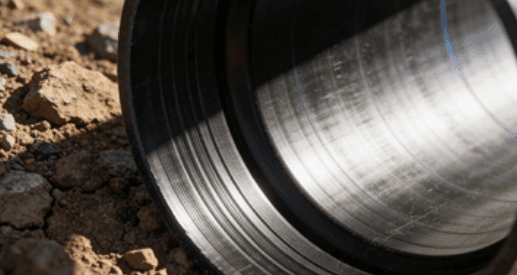
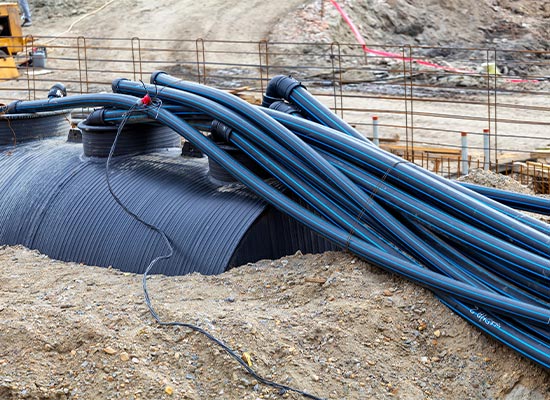
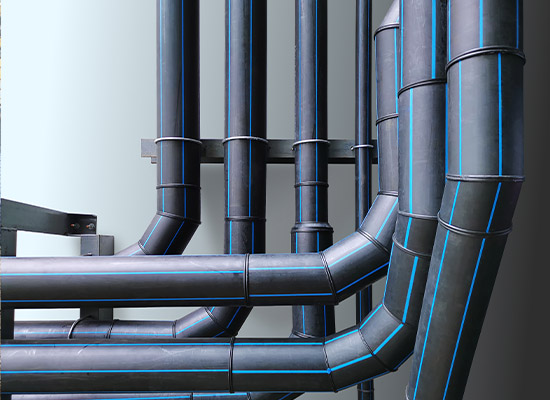
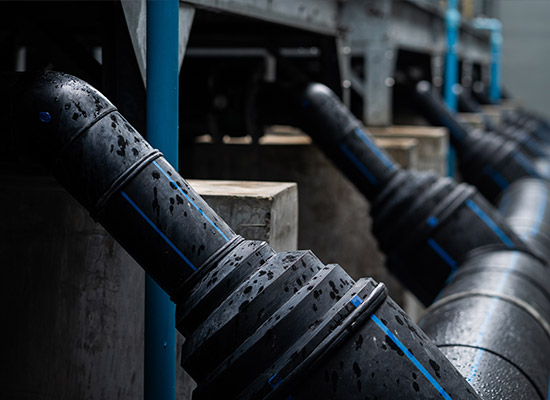
Polyethylene well pipe is a flexible piping system manufactured from high-density polyethylene (HDPE) or medium-density polyethylene (MDPE). It is specifically designed for groundwater extraction, water transportation, submersible pumps, irrigation systems, municipal water supply, and industrial wells.
Unlike rigid plastic piping, polyethylene pipe is supplied in long coils, reducing the number of joints required during installation.
Key Characteristics
- Flexible construction
- Lightweight transportation
- Corrosion-resistant material
- Smooth internal surface
- مقاومة ممتازة للصدمات
- عمر خدمة طويل
- Leak-resistant fusion connections
These characteristics have made polyethylene well pipe increasingly popular throughout North America, Europe, Australia, Africa, and many developing regions.
What Is PVC Well Pipe?
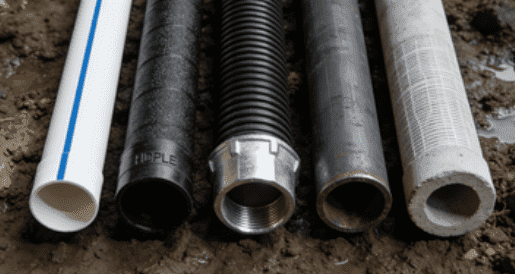
PVC (Polyvinyl Chloride) well pipe is a rigid thermoplastic pipe commonly used in shallow wells, residential water systems, and irrigation projects.
PVC has been widely used for decades because of its affordability, availability, and simple installation methods.
Unlike polyethylene pipe, PVC sections are manufactured in fixed lengths and connected using threaded joints or solvent cement depending on application requirements.
Understanding the Core Differences
Before comparing performance, it is helpful to understand the fundamental differences between the two materials.
مرونة
Polyethylene well pipe bends naturally without cracking.
PVC remains rigid and requires fittings whenever the direction changes.
Flexibility reduces installation time while minimizing stress caused by shifting soil or seasonal ground movement.
التكنولوجيا المشتركة
Polyethylene commonly uses heat fusion or compression fittings.
PVC normally relies on threaded joints or solvent welding.
Fusion welding creates nearly leak-free continuous pipelines, making polyethylene especially attractive for long-distance installations.
Material Structure
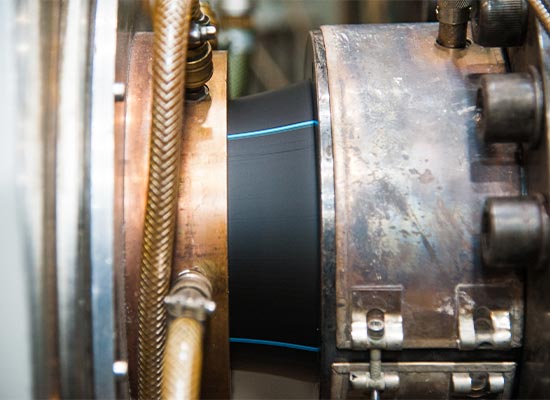
HDPE contains long molecular chains that provide excellent toughness.
PVC contains rigid polymer structures that prioritize stiffness instead of flexibility.
This difference directly affects impact resistance, freeze tolerance, and installation performance.
Polyethylene Well Pipe vs PVC Comparison Table
| ميزة | Polyethylene Well Pipe | PVC Well Pipe |
|---|---|---|
| مرونة | ممتاز | فقير |
| وزن | خفيف الوزن | خفيف الوزن |
| مقاومة التأثير | ممتاز | معتدل |
| مقاومة التآكل | ممتاز | ممتاز |
| Freeze Resistance | ممتاز | معتدل |
| سرعة التثبيت | سريع | معتدل |
| Joint Leakage Risk | منخفض جدا | معتدل |
| Pressure Capability | عالي | عالي |
| Soil Movement Resistance | ممتاز | Fair |
| Deep Well Performance | ممتاز | جيد |
| Expected Service Life | 50+ Years | 30–50 Years |
| Initial Cost | Slightly Higher | أقل |
Why More Contractors Choose Polyethylene Well Pipe
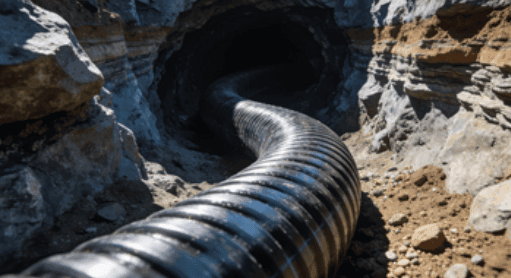
Many drilling companies have gradually shifted toward polyethylene well pipe because modern projects demand greater reliability and reduced maintenance.
Several advantages explain this growing trend.
Better Flexibility
A flexible pipeline adapts naturally to uneven terrain.
Instead of transferring stress directly into joints, the pipe absorbs movement, reducing the likelihood of cracking.
Fewer Connections
Since polyethylene can be supplied in coils hundreds of feet long, installers require fewer fittings.
Fewer joints mean:
- Less labor
- Lower leak risk
- Faster installation
- Lower maintenance costs
Excellent Chemical Resistance
Groundwater often contains minerals, dissolved salts, acids, and alkaline substances.
Polyethylene resists these chemicals exceptionally well, helping maintain long-term structural integrity.
Superior Freeze Protection
Water expands when frozen.
Rigid PVC has a greater chance of cracking under freeze-thaw conditions.
Polyethylene’s flexibility allows slight expansion without permanent damage.
This makes it particularly suitable for northern climates.
Why Some Projects Still Use PVC
Despite the popularity of polyethylene, PVC remains an excellent option in many applications.
Lower Material Cost
PVC generally costs less per foot.
For projects with tight budgets and stable soil conditions, PVC provides excellent value.
High Structural Rigidity
Rigid construction makes PVC easier to maintain perfect alignment in straight boreholes.
Some installers prefer this characteristic for shallow residential wells.
Wide Availability
PVC fittings and accessories are available almost everywhere.
Replacement parts are easy to source in both developed and developing markets.
Concept Guide: Understanding Well Pipe Performance
تصنيف الضغط
Pressure rating refers to the maximum continuous internal pressure the pipe can safely withstand.
Selecting the correct pressure class ensures reliable operation and extends the overall lifespan of the well system.
Flow Efficiency
A smoother internal surface creates lower friction losses.
Lower resistance allows pumps to deliver higher flow rates while consuming less energy over time.
مقاومة التآكل
Groundwater chemistry varies greatly between locations.
A corrosion-resistant material minimizes scaling, rust formation, and contamination risks throughout decades of operation.
مقاومة التأثير
During transportation and installation, pipes may be dropped or subjected to accidental impacts.
Materials with higher impact resistance reduce the likelihood of hidden damage before installation.
حياة الخدمة
Pipe lifespan depends on pressure, temperature, groundwater chemistry, UV exposure, and installation quality.
High-quality polyethylene well pipe often exceeds fifty years under normal operating conditions.
Which Material Is Better for Different Applications?
Residential Water Wells
For standard household wells with stable soil, both materials perform well.
PVC often offers the most economical solution, while polyethylene provides additional protection against future ground movement.
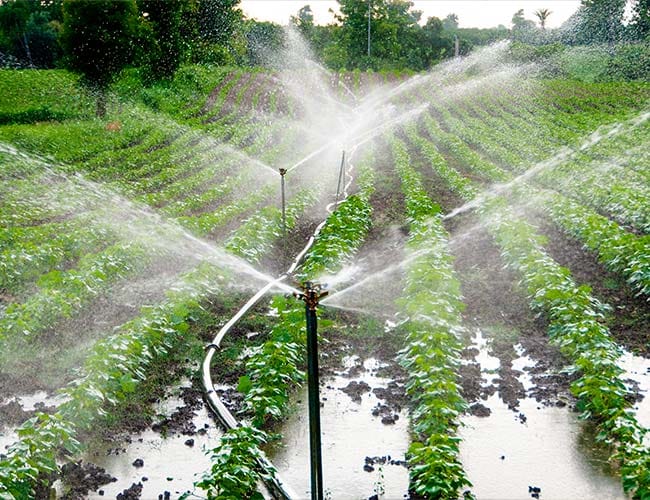
الري الزراعي
Polyethylene well pipe is usually preferred.
Long continuous runs reduce leakage while flexible installation follows uneven farmland more easily.
Municipal Water Projects
Municipal engineers increasingly specify HDPE because of fusion joints, long service life, and reduced maintenance costs.
Deep Water Wells
Deep installations place greater stress on piping systems.
Polyethylene performs exceptionally well because it tolerates vibration, pressure changes, and dynamic pump movement.
Remote Locations
Transportation becomes a major consideration.
Coiled polyethylene requires fewer truckloads and significantly reduces field assembly time.
Polyethylene Well Pipe vs PVC: Performance Comparison
متانة
Winner: البولي ايثيلين
It resists cracking, vibration, abrasion, and impact more effectively than PVC.
تثبيت
Winner: البولي ايثيلين
Flexible coils reduce fittings and labor.
تكلفة
Winner: بي في سي
Lower initial purchase price.
صيانة
Winner: البولي ايثيلين
Fusion joints greatly reduce long-term leakage.
Cold Weather Performance
Winner: البولي ايثيلين
Superior freeze resistance.
Long-Term Value
Winner: البولي ايثيلين
Although the initial investment may be slightly higher, reduced maintenance and longer service life often produce a lower total ownership cost.
Questions Buyers Frequently Ask Before Purchasing
Is polyethylene well pipe stronger than PVC?
In terms of impact resistance and flexibility, yes.
PVC offers higher rigidity, but polyethylene generally performs better under dynamic loading and shifting soil conditions.
Does polyethylene well pipe last longer?
High-quality HDPE products commonly provide service lives exceeding 50 years when installed correctly.
Proper installation remains the most important factor regardless of material.
Which pipe is easier to install?
Polyethylene usually requires fewer joints and adapts better to uneven terrain.
PVC may require additional elbows, couplings, and threaded fittings.
Which pipe handles freezing temperatures better?
Polyethylene performs significantly better because it can expand slightly without cracking.
PVC becomes more brittle in extremely cold environments.
Is polyethylene suitable for drinking water?
Yes.
Most certified polyethylene well pipe products meet potable water standards when manufactured according to recognized international specifications.
Common Mistakes When Choosing Well Pipe
Choosing Based Only on Price
Lower purchase prices do not always translate into lower lifecycle costs.
Installation, maintenance, downtime, and replacement expenses should also be considered.
Ignoring Ground Conditions
Rocky soil, unstable terrain, and seismic regions place additional stress on rigid piping systems.
Flexible polyethylene often performs better in these environments.
Selecting the Wrong Pressure Rating
Always match pipe pressure ratings with pump capacity and system operating pressure.
Oversized pumps can shorten pipe lifespan if incorrect specifications are selected.
Overlooking Connection Quality
Even premium materials can fail if joints are poorly installed.
Professional installation is just as important as material selection.
How to Choose the Right Polyethylene Well Pipe
Before purchasing, consider the following checklist:
- Required well depth
- Pump horsepower
- Water demand
- Pipe diameter
- تصنيف الضغط
- بيئة التثبيت
- Ground movement
- Water chemistry
- Temperature conditions
- Applicable local standards
Evaluating these factors helps ensure the selected pipe delivers reliable performance throughout its intended service life.
الأسئلة الشائعة
Is polyethylene well pipe worth the extra cost?
For many commercial, agricultural, and deep-well applications, yes. The reduced maintenance, improved flexibility, and longer lifespan often offset the slightly higher initial investment.
Can polyethylene well pipe replace PVC completely?
Not necessarily. PVC remains an excellent option for many residential and shallow well projects. The best choice depends on application requirements rather than one material being universally superior.
What diameter of polyethylene well pipe should I choose?
The appropriate diameter depends on pump capacity, desired flow rate, well depth, and pressure loss calculations. Manufacturers usually provide sizing charts for different applications.
Does polyethylene pipe require special fittings?
It may use compression fittings, mechanical couplings, or heat-fusion connections. Fusion joints generally provide the highest reliability for permanent installations.
Which industries use polyethylene well pipe most?
Common industries include agriculture, municipal water supply, mining, geothermal energy, industrial processing, livestock farming, landscape irrigation, and residential groundwater systems.
الأفكار النهائية
Both polyethylene well pipe and PVC remain reliable materials for modern water well construction, but they excel under different conditions. PVC continues to be a practical and economical solution for straightforward residential installations with stable ground, while polyethylene well pipe stands out for projects requiring flexibility, durability, leak-resistant performance, and long-term reliability.
If your project involves deep wells, challenging terrain, frequent temperature fluctuations, or long pipeline runs, polyethylene well pipe often delivers greater value over its service life. By evaluating factors such as pressure requirements, installation conditions, groundwater chemistry, maintenance expectations, and total lifecycle cost, buyers can confidently select the material that best supports efficient, dependable, and sustainable water delivery for years to come.