Welcome to our in-depth look at high-quality plastic products and how they are transforming everyday life, industrial applications, and commercial projects. Before you dive in, stay connected with us for expert tips, industry insights, and practical solutions:
· Facebook – Join our community to ask questions and get the latest product updates
· Tiktok – Watch tutorials, installation guides, and project demonstrations
Let’s explore how durable and versatile plastic products can deliver efficiency, reliability, and long-term performance—read on to discover which solutions fit your needs best!
Table of Contents
- What a debris net is and why it matters on construction sites
- Key types of debris net used in different projects
- Material, strength, and durability considerations
- Installation methods and safety standards
- Cost factors and how to choose the right option
- Debris net vs other safety solutions comparison
- Real-world applications, standards, and compliance insights
- Practical FAQs based on real user search behavior
Introduction

In today’s construction industry, safety is no longer optional—it is a core requirement that directly impacts project timelines, legal compliance, and overall costs. Among the many protective systems used on job sites, the debris net stands out as one of the most practical and widely adopted solutions.
From high-rise developments in urban centers to large-scale infrastructure projects, falling debris remains one of the leading causes of on-site accidents. According to industry safety reports, falling objects account for a significant percentage of construction-related injuries every year. This is where a properly installed debris net becomes indispensable—not only as a protective barrier but also as a tool for improving operational efficiency and environmental control.
This guide explores everything you need to know about using a debris net in construction, from technical specifications to compliance standards, helping you make informed decisions for safer and more efficient projects.
What Is a Debris Net in Construction?
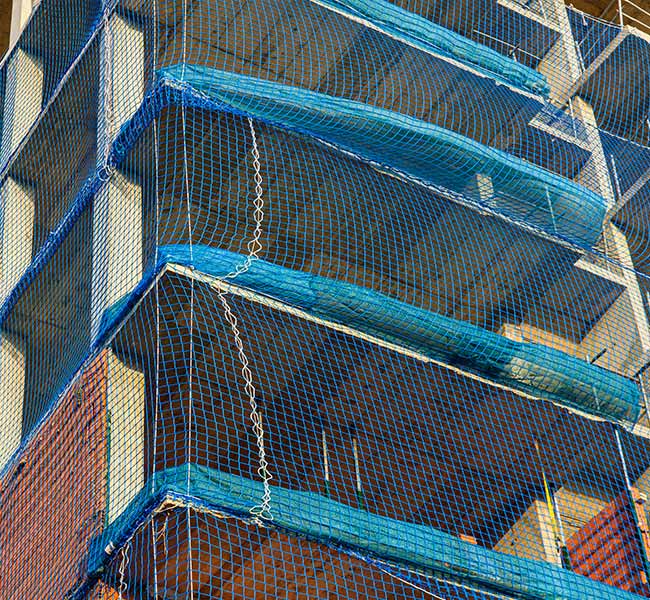
A debris net is a mesh-based safety system designed to contain falling materials, dust, and loose construction waste within a controlled area. Typically installed around scaffolding or building exteriors, it acts as a protective shield between the work zone and the surrounding environment.
Unlike heavy-duty safety nets designed to catch people, a debris net is optimized for containing smaller objects and particles. Its lightweight structure allows for easy installation while still providing effective coverage across large surfaces.
Why Debris Net Is Essential for Construction Safety
Preventing Falling Hazards
A debris net significantly reduces the risk of falling objects reaching ground level. This is especially important in dense urban environments where pedestrian safety is a major concern.
Improving Site Compliance
Many regulatory bodies require contractors to implement protective systems like a debris net. Compliance not only avoids legal penalties but also enhances project credibility.
Enhancing Work Efficiency
By containing debris within a designated area, cleanup time is reduced. Workers can operate more efficiently without constant interruptions.
Supporting Environmental Control
Dust and small particles can spread beyond the construction site, affecting air quality. A debris net helps limit this spread, contributing to a cleaner environment.
Types of Debris Net for Construction Use
Scaffold Debris Net
Commonly used in building construction, this type surrounds scaffolding structures and provides full perimeter protection.
Fire-Retardant Debris Net
Manufactured with flame-resistant additives, this net is essential for projects involving welding or high-temperature processes.
Heavy-Duty Debris Net
Designed for demolition and high-impact environments, this version offers enhanced strength and durability.
Customized Debris Net
Tailored to specific project requirements, customized options may include branding, reinforced edges, or specific mesh sizes.
Key Features to Consider When Choosing a Debris Net
Material Composition
Most debris net products are made from high-density polyethylene (HDPE). This material offers excellent strength-to-weight ratio and resistance to chemicals and weather.
Mesh Size
Mesh openings typically range from 1 mm to 10 mm. Smaller mesh sizes are ideal for dust containment, while larger ones allow better airflow.
UV Resistance
UV-stabilized debris net products can retain up to 80–90% of their tensile strength after prolonged exposure to sunlight.
Tensile Strength
Standard construction-grade debris net can handle tensile forces ranging from 500 N to 1500 N, depending on thickness and weaving pattern.
Debris Net vs Safety Net: What’s the Difference?
| Feature | Debris Net | Safety Net |
|---|---|---|
| Primary Purpose | Contain debris and dust | Catch falling workers |
| Mesh Size | Smaller | Larger |
| Installation Area | Scaffolding, building exterior | Under work zones |
| Load Capacity | Moderate | High |
| Typical Use Case | Construction & demolition | Fall protection systems |
Both systems serve different purposes, and in many high-risk projects, they are used together to ensure maximum protection.
International Standards and Compliance for Debris Net
OSHA Guidelines
In the United States, the Occupational Safety and Health Administration (OSHA) emphasizes fall protection and debris containment. While OSHA does not always specify debris net explicitly, it requires measures to prevent falling objects.
EN Standards (Europe)
European standards such as EN 1263 focus on safety net systems, indirectly influencing debris net quality and performance benchmarks.
ISO Quality Standards
Manufacturers often follow ISO 9001 for quality management, ensuring consistent production of reliable debris net products.
Installation Tips for Debris Net Systems
Secure Attachment Points
Always fix the debris net to stable structural elements such as scaffolding frames.
Proper Overlapping
Overlap sections by at least 10–15 cm to prevent gaps.
Tension Control
Avoid excessive slack, as it reduces effectiveness and may lead to sagging.
Regular Inspection
Inspect the debris net weekly for damage, especially in high-wind conditions.
Advanced Installation Techniques for Large Projects
Modular Installation
Using modular panels allows faster deployment and easier replacement.
Edge Reinforcement
Reinforced edges improve durability and reduce tearing during installation.
Wind Load Consideration
Engineers often calculate wind load impact to ensure the debris net remains stable under extreme conditions.
Cost Factors of Debris Net in Construction
Material Quality
Higher-grade HDPE nets may cost 20–30% more but last significantly longer.
Size and Coverage Area
Large-scale projects can require thousands of square meters of debris net.
Labor and Installation
Professional installation adds to the cost but ensures optimal performance.
Maintenance and Replacement
Regular maintenance can extend lifespan, reducing long-term costs.
Common Applications of Debris Net
High-Rise Buildings
Essential for protecting pedestrians and nearby structures.
Bridge Construction
Prevents tools and materials from falling into traffic or water.
Demolition Projects
Contains debris within a controlled zone.
Industrial Facilities
Used to isolate hazardous work areas.
Real-World Case Study: Urban High-Rise Project
In a major metropolitan construction project, the use of a debris net system reduced falling object incidents by over 60%. The contractor implemented full-perimeter netting combined with regular inspections, resulting in improved safety records and faster project completion.
Industry Data and Insights
- Construction sites using debris net systems report up to 50% fewer debris-related accidents
- UV-stabilized nets can extend service life by 2–3 times
- Proper installation reduces maintenance costs by approximately 25%
These figures highlight the practical and economic benefits of investing in a high-quality debris net.
Debris Net vs Other Containment Systems
Debris Net vs Tarpaulin
Tarpaulins provide full coverage but restrict airflow, while a debris net offers a balance between containment and ventilation.
Debris Net vs Metal Barriers
Metal barriers are stronger but heavier and more expensive. A debris net is more flexible and cost-effective.
Environmental and Sustainability Considerations

Recyclable Materials
Many debris net products are made from recyclable plastics, reducing environmental impact.
Reduced Pollution
By containing dust and debris, these systems contribute to cleaner air and surroundings.
Long-Term Sustainability
Durable materials reduce the need for frequent replacements, lowering overall resource consumption.
Maintenance Best Practices
Routine Cleaning
Remove accumulated dust and debris to maintain effectiveness.
Damage Assessment
Check for tears or weakened sections regularly.
Proper Storage
Store unused debris net in dry, shaded areas to prevent degradation.
Practical Buying Guide for Debris Net
Understand Your Project Needs
Assess height, debris type, and environmental conditions.
Verify Certifications
Ensure compliance with local and international standards.
Evaluate Supplier Reliability
Choose suppliers with proven track records and consistent quality.
FAQ
What is the best debris net for construction sites?
The best choice depends on project requirements, but UV-resistant HDPE options are widely preferred for durability and performance.
How long does a debris net last?
Typically between 6 months to several years, depending on usage and environmental exposure.
Can debris net be reused?
Yes, if it remains structurally sound and free from major damage.
Is debris net required by law?
In many jurisdictions, safety regulations require protective measures like debris net systems.
How do I install a debris net properly?
Secure it tightly, overlap sections, and inspect regularly to ensure effectiveness.
Conclusion
A well-designed debris net system is more than just a safety accessory—it is a critical component of modern construction management. By combining proper material selection, professional installation, and regular maintenance, contractors can significantly enhance safety, reduce costs, and improve overall project efficiency.
As construction standards continue to evolve, the role of debris net solutions will only become more important, making them an essential investment for any serious construction project.