Welcome to our in-depth look at high-quality plastic products and how they are transforming everyday life, industrial applications, and commercial projects. Before you dive in, stay connected with us for expert tips, industry insights, and practical solutions:
· Facebook – Join our community to ask questions and get the latest product updates
· Tiktok – Watch tutorials, installation guides, and project demonstrations
Let’s explore how durable and versatile plastic products can deliver efficiency, reliability, and long-term performance—read on to discover which solutions fit your needs best!
Table of Contents
Looking for a durable, sustainable, and visually appealing roofing solution for your home, commercial project, or outdoor structure? Corrugated plastic roof sheets offer a versatile, lightweight, and eco-friendly alternative to traditional materials like metal, clay, or concrete. Their benefits range from energy efficiency and recyclability to ease of installation and low maintenance. In this comprehensive guide, you’ll discover how these roofing options can save costs, reduce environmental impact, and meet modern building standards.
Key Takeaways
- Advantages of eco-friendly corrugated plastic roof sheets
- Material types and sustainable properties
- Installation and maintenance tips
- Cost analysis and ROI
- Standards and certifications
- Comparisons with traditional roofing options
- Real-world applications and case studies
- FAQ addressing common user questions
Advantages of Eco-Friendly Corrugated Plastic Roof Sheets
Lightweight Design for Reduced Structural Load
Corrugated plastic roof sheets weigh 60–90% less than clay or concrete tiles and around 50% less than metal panels. This reduces structural reinforcement needs, saves on construction materials, and allows easier handling during installation.
Long-Lasting Durability
High-quality polycarbonate sheets can last 15–20 years, while recycled polypropylene sheets can last up to 15 years with proper maintenance. Sheets are resistant to corrosion, impact, and temperature fluctuations, making them suitable for various climates.
UV and Weather Resistance
Most premium corrugated sheets come with UV-resistant coatings that comply with international standards such as ISO 4892-2:2013 for accelerated weathering tests. This ensures color retention, prevents brittleness, and extends lifespan.
Energy Efficiency and Natural Lighting
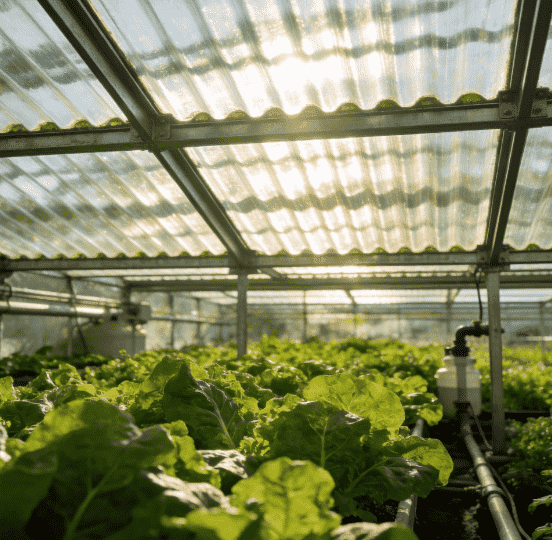
Translucent corrugated sheets can transmit up to 30–40% of natural light, reducing the need for daytime artificial lighting. For industrial spaces, greenhouses, or patios, this translates to significant energy savings.
Types of Eco-Friendly Corrugated Plastic Roof Sheets
Polycarbonate Corrugated Sheets
- Material: Recyclable polycarbonate with UV coating
- Lifespan: 15–20 years
- Ideal for: Greenhouses, patios, skylights, carports
- Properties: High impact resistance, fire-retardant options (UL94-V0 certified)
Recycled Polypropylene Sheets
- Material: Post-consumer recycled plastic
- Lifespan: 10–15 years
- Ideal for: Sheds, pergolas, DIY roofing projects
- Properties: Lightweight, flexible, cost-effective
PET Plastic Corrugated Sheets
- Material: Recycled PET bottles
- Lifespan: 8–12 years
- Ideal for: Temporary roofing, small outdoor shelters
- Properties: Moderate UV resistance, recyclable
Comparison Table: Corrugated Plastic Sheet Types
| Type | Material Source | Lifespan | UV Resistance | Fire Rating | Typical Use | Cost ($/m²) |
|---|---|---|---|---|---|---|
| Polycarbonate | Synthetic, recyclable | 15–20 yrs | Excellent | UL94-V0 | Greenhouses, patios | 25–40 |
| Recycled Polypropylene | Post-consumer plastics | 10–15 yrs | Good | UL94-HB | Sheds, carports | 15–25 |
| PET Plastic | Recycled bottles | 8–12 yrs | Moderate | UL94-HB | DIY projects, temporary roofing | 10–18 |
Corrugated Plastic Roof Sheets vs Traditional Materials
Metal Roofing
- Pros: Very durable, fireproof, recyclable
- Cons: Heavy, requires strong structural support, high embodied energy
Clay or Concrete Tiles
- Pros: High aesthetic appeal, long lifespan
- Cons: Heavy, prone to cracking under impact, expensive installation
Corrugated Plastic Sheets
- Pros: Lightweight, eco-friendly, easy to handle, recyclable
- Cons: May scratch or dent more easily, slightly shorter lifespan than metal
Insight: For projects where weight reduction and sustainability are priorities, corrugated plastic sheets offer a significant advantage.
Installation Guide for Corrugated Plastic Roof Sheets
Step 1: Planning and Layout
- Measure roof dimensions accurately
- Ensure a minimum slope of 10–15° for water runoff
- Plan for overhangs to prevent leakage
Step 2: Support Structure
- Use treated wood, galvanized steel, or aluminum battens
- Spacing: 40–60 cm between supports for polycarbonate, 30–50 cm for polypropylene
- Consider wind load: standard panels withstand wind speeds up to 120 km/h when properly secured
Step 3: Fastening
- Use corrosion-resistant screws with rubber washers
- Avoid overtightening to allow thermal expansion
- Seal overlaps with UV-resistant tape or silicone
Step 4: Maintenance
- Inspect every 6–12 months
- Remove debris to prevent scratches or moss growth
- Replace damaged sheets promptly to prevent leaks
Sustainability Benefits
Reduced Carbon Footprint
Recycled corrugated plastic requires up to 70% less energy in production compared to aluminum or steel roofing.
Recyclable End-of-Life
Sheets can be collected and reprocessed into new roofing materials or plastic products.
Low Construction Impact
Lightweight sheets reduce heavy equipment usage, lowering emissions during transport and installation.
Real-World Applications and Case Studies
Residential Homes
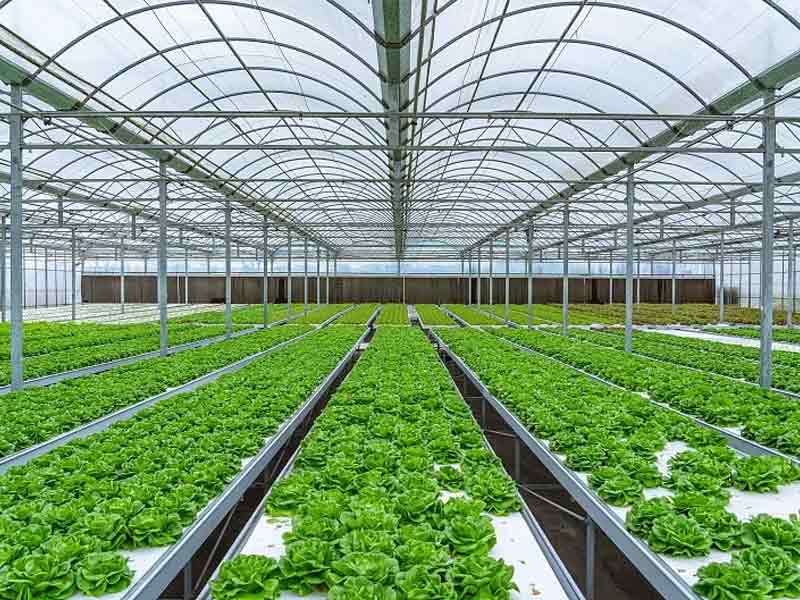
A solar greenhouse in California used polycarbonate corrugated sheets to allow natural light while reducing structural support costs by 40%.
Commercial Spaces
A warehouse in Texas replaced metal roofing with recycled polypropylene sheets, saving 25% on installation time and 30% on long-term maintenance.
Outdoor Structures
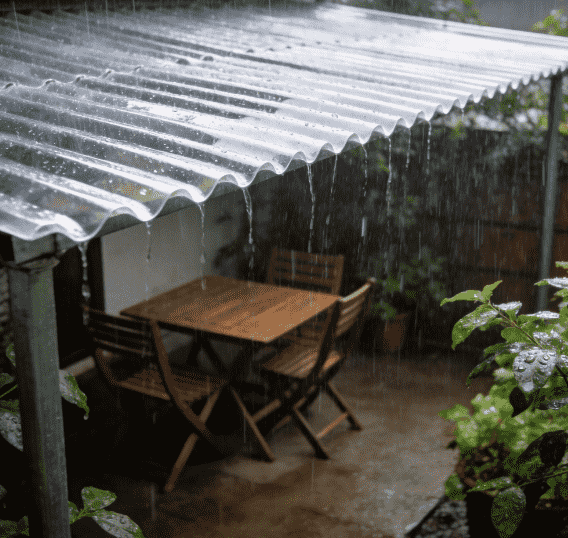
Pergolas, patios, and garden sheds frequently use translucent corrugated sheets for DIY projects, enabling daylight while protecting from rain.
Cost Analysis and ROI
| Material | Installation Cost ($/m²) | Lifespan (Years) | Maintenance | ROI Factor |
|---|---|---|---|---|
| Polycarbonate | 25–40 | 15–20 | Low | High |
| Recycled Polypropylene | 15–25 | 10–15 | Low | Medium |
| PET Plastic | 10–18 | 8–12 | Low | Medium-Low |
| Metal | 50–70 | 20+ | Medium | Medium-High |
| Clay Tiles | 40–60 | 25+ | Medium | Medium |
Tip: Lightweight, eco-friendly sheets reduce structural costs and speed up installation, often resulting in ROI within 3–5 years for residential projects.
Common Mistakes to Avoid
Incorrect Roof Slope
Water pooling reduces sheet lifespan and may cause leaks. Always follow the minimum slope guidelines.
Using Non-Corrosion Resistant Fasteners
Ordinary screws can rust and damage sheets, shortening lifespan.
Ignoring UV Protection
Even recycled sheets require UV coatings to prevent brittleness and discoloration over time.
Final Recommendations
Eco-friendly corrugated plastic roof sheets are ideal for homeowners, DIY enthusiasts, and commercial projects seeking lightweight, durable, and sustainable roofing options. By choosing the right material, following proper installation procedures, and conducting periodic maintenance, you can achieve a roofing solution that is cost-effective, long-lasting, and environmentally responsible.
FAQ
1. Are these sheets strong enough for hail or heavy rain?
Yes, polycarbonate sheets are impact-resistant and rated for hail sizes up to 25 mm. Proper installation is crucial.
2. Can I DIY the installation?
Yes, lightweight sheets make DIY installation feasible. Use proper fasteners, supports, and UV protection.
3. Are these sheets suitable for cold climates?
Yes, polycarbonate remains flexible in sub-zero temperatures; polypropylene may be brittle below -5°C.
4. Can I combine translucent and opaque sheets?
Absolutely. Many users mix sheets to balance natural lighting with privacy or insulation needs.
5. How do I recycle corrugated plastic sheets?
Contact local plastic recycling centers. Polycarbonate and polypropylene sheets can be reprocessed into new products.