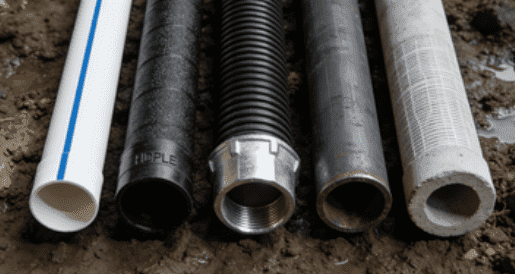
Welcome to our in-depth look at high-quality plastic products and how they are transforming everyday life, industrial applications, and commercial projects. Before you dive in, stay connected with us for expert tips, industry insights, and practical solutions:
· Facebook – Join our community to ask questions and get the latest product updates
· Tiktok – Watch tutorials, installation guides, and project demonstrations
Let’s explore how durable and versatile plastic products can deliver efficiency, reliability, and long-term performance—read on to discover which solutions fit your needs best!
Table of Contents
Key Takeaways
- Detailed overview of high density polyethylene pipe price in 2026.
- Insights on factors affecting price: resin type, diameter, wall thickness, and regional variations.
- Comparison of HDPE grades (PE80, PE100, reinforced) and suppliers.
- Price tables with real-world examples for different applications.
- Installation, maintenance, and cost optimization strategies.
- Market news, case studies, and infrastructure project highlights.
- Global regulatory standards affecting pricing and quality.
- FAQ addressing common Google search queries about HDPE pipes.
Introduction
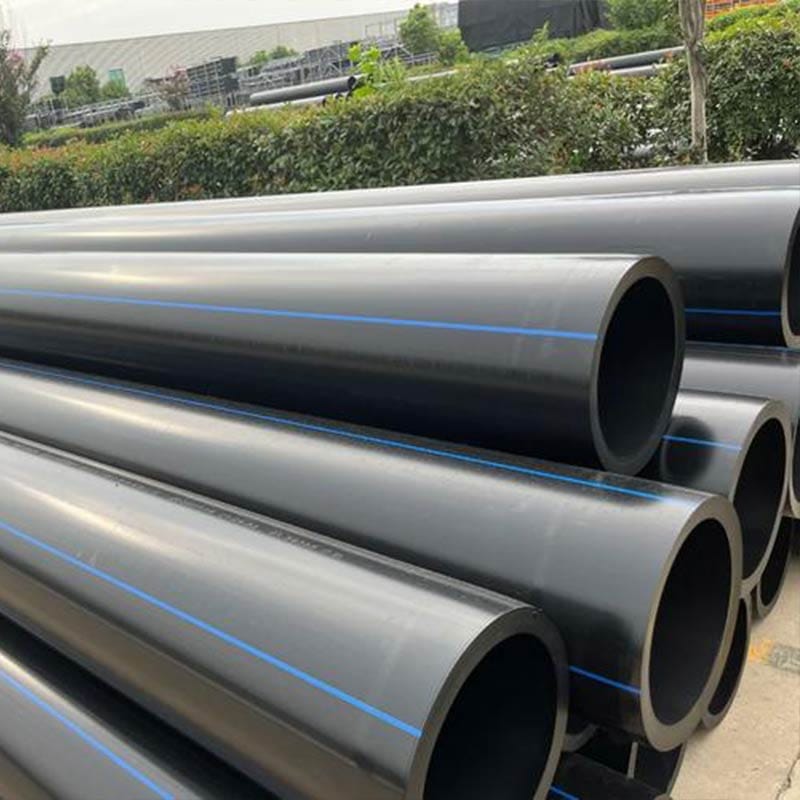
The global pipeline infrastructure market is undergoing unprecedented growth. With increasing urbanization, industrial expansion, and agricultural modernization, the demand for high density polyethylene (HDPE) pipes has never been higher.
In 2025, the global HDPE pipe market was valued at $14.8 billion and is projected to reach $18.2 billion by 2026, according to Statista. These pipes are preferred due to:
- Longevity: 50+ years of service life in potable water and gas distribution.
- Chemical resistance: Safe for aggressive fluids and chemicals.
- Flexibility: Reduces the need for joints and fittings in complex pipeline routes.
As supply-demand dynamics shift, understanding high density polyethylene pipe price trends is critical for procurement managers, engineers, and investors seeking cost efficiency while ensuring high-quality installations.
What is a High Density Polyethylene Pipe?
Definition and Material Properties
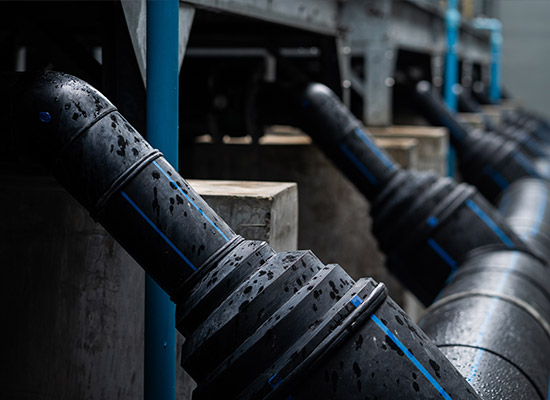
High density polyethylene (HDPE) is a thermoplastic polymer with high tensile strength and low density. HDPE pipes are lightweight, resistant to impact, and corrosion-proof.
Core Properties:
- Density: 0.941–0.965 g/cm³
- Melting point: 130–135°C
- Tensile strength: 24–28 MPa
- Chemical resistance: Strong against acids, bases, and salts
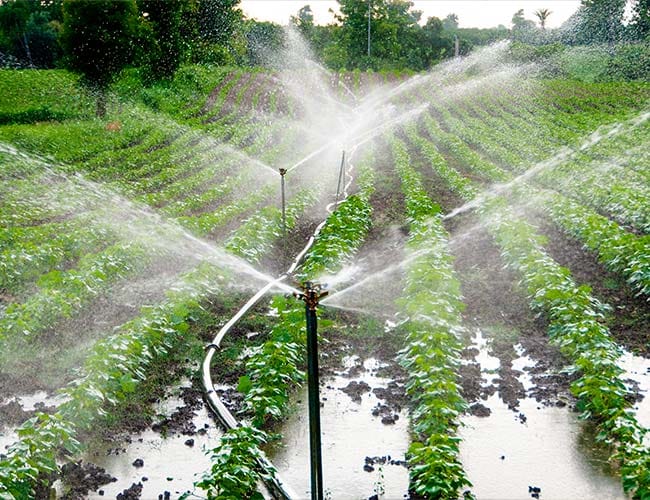
These properties make HDPE pipes suitable for water supply, gas distribution, industrial chemical transport, and irrigation networks.
Advantages Over Alternative Materials
| Material | Durability | Chemical Resistance | Installation Ease | Cost per Meter (USD) |
|---|---|---|---|---|
| HDPE | 50+ yrs | Excellent | Easy | 2–18 |
| PVC | 25–30 yrs | Good | Moderate | 1–6 |
| Steel | 40–50 yrs | Moderate | Difficult | 6–25 |
HDPE pipes outperform PVC and steel in long-term durability and lower maintenance requirements, which is why they are increasingly preferred in modern infrastructure projects.
Factors Influencing High Density Polyethylene Pipe Price
Raw Material Cost
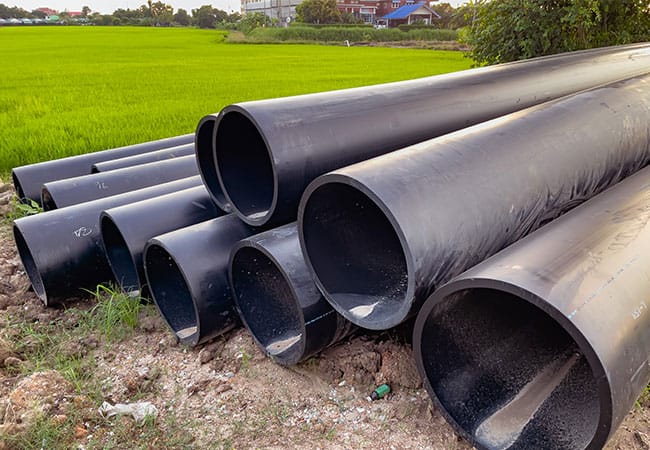
The resin used in HDPE pipes is the primary cost driver. Two major grades dominate the market:
- PE80: Standard industrial use, lower pressure tolerance, moderate cost.
- PE100: Higher pressure and impact resistance, longer lifespan, priced 15–20% higher than PE80.
Crude oil and natural gas price fluctuations directly impact resin prices. For example, the 2022 crude oil surge increased PE100 resin costs by 12%, raising high density polyethylene pipe price worldwide.
Pipe Diameter and Wall Thickness
- Larger diameters and thicker walls require more material, driving up costs.
- Pressure rating (PN10, PN16, PN20) further affects pricing: higher-pressure pipes need thicker walls.
Table 1: Approximate HDPE Pipe Price by Diameter and Pressure Rating (2026)
| Pipe Diameter (mm) | Pressure Rating (PN) | Material Grade | Approx. Price per Meter (USD) |
|---|---|---|---|
| 32 | 10 | PE80 | $2.2 |
| 63 | 16 | PE100 | $5.8 |
| 110 | 10 | PE100 | $8.0 |
| 160 | 16 | PE100 | $15.5 |
| 200 | 10 | PE100 | $18.2 |
Regional Differences in Pricing
Asia-Pacific: Competitive pricing due to local resin production, large-scale manufacturing, and lower labor costs.
Europe: Premium pricing driven by environmental compliance, certifications (EN ISO 15874, EN 12201), and higher labor expenses.
North America: Moderate pricing, balancing local production with high infrastructure demand.
News Highlight:
In 2025, JM Eagle (USA) reported a 4% price increase due to rising resin import costs, while Shandong Yinghshike (China) maintained stable prices with domestic PE100 supply.
Types of HDPE Pipes and Cost Comparison
PE80 Pipes
- Lower-cost option for low-pressure systems (irrigation, drainage).
- Pros: Affordable, widely available.
- Cons: Not suitable for high-pressure applications.
PE100 Pipes
- Premium grade for potable water and gas pipelines.
- Pros: High strength, long lifespan, pressure tolerance up to 20 bar.
- Cons: Higher upfront cost.
Reinforced HDPE Pipes
- Incorporates metal or fiber reinforcement for extreme pressure or industrial chemical transport.
- Pros: Maximum durability, reduced pipeline failure risk.
- Cons: Expensive, heavier, more complex installation.
Table 2: Comparative HDPE Pipe Grades and Pricing
| Grade | Max Operating Pressure | Life Expectancy | Approx. Price (USD/m) |
|---|---|---|---|
| PE80 | 10–12 bar | 30–40 years | 2–6 |
| PE100 | 16–20 bar | 50+ years | 5–18 |
| Reinforced HDPE | 20–25 bar | 50+ years | 15–30 |
Global Market Analysis and Forecast
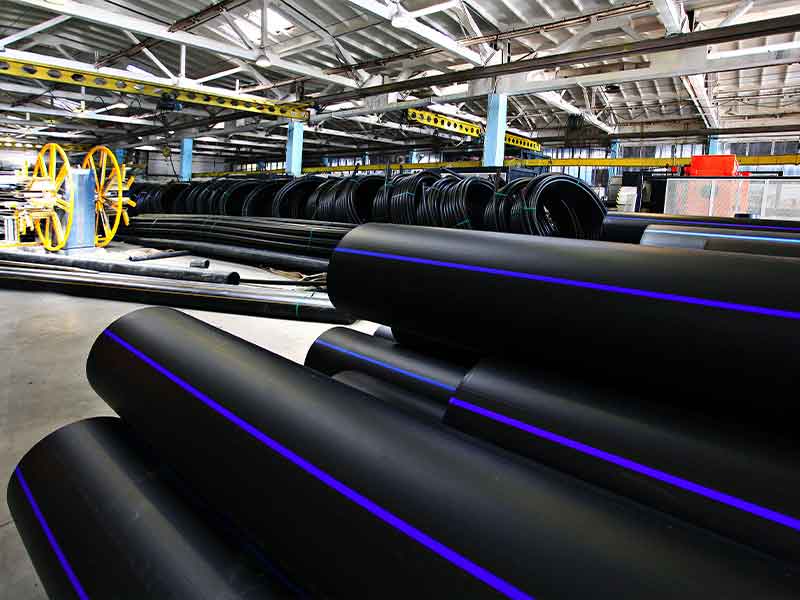
Price Trends in 2026
Factors influencing high density polyethylene pipe price:
- Crude oil volatility affecting resin cost
- Inflation in manufacturing regions
- Demand from water and gas infrastructure projects
- Government regulations and environmental standards
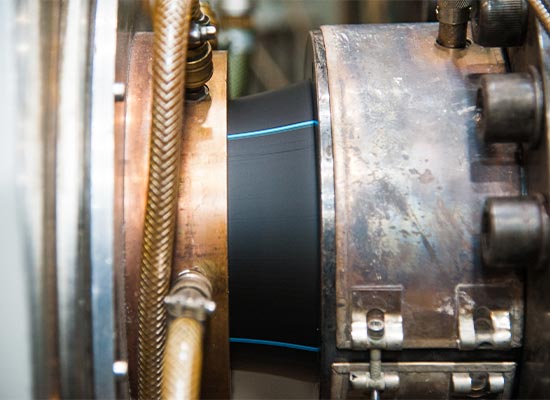
Forecast: A modest increase of 3–5% in 2026 is expected due to tight PE100 supply, though advanced extrusion and automation may offset some price pressure.
Regional Market Snapshots
Asia-Pacific:
- Major producers: China, India, Malaysia
- Average PE100 price: $5–16 per meter
- Growth driven by urban water pipelines and industrial projects
Europe:
- Major producers: Germany, Italy, France
- Average PE100 price: $8–20 per meter
- High compliance costs with EN standards
North America:
- Major producers: USA, Canada
- Average PE100 price: $7–18 per meter
- Infrastructure upgrades for municipal water projects boost demand
Real-World Case Studies
Case Study 1: Municipal Water Project, Shandong, China
- Scope: 10 km HDPE pipeline for drinking water distribution
- Grade: PE100, PN16
- Investment: $85,000 USD
- Outcome: 20% faster installation due to lightweight pipes, projected maintenance cost reduction of 15% over 20 years
Case Study 2: Gas Distribution Network, Germany
- Scope: 5 km PE100 gas pipeline
- Challenge: High pressure and urban routing constraints
- Outcome: Premium PE100 pipes ensured zero leak incidents, overall project cost $120,000, ROI within 3 years
Installation and Maintenance
Best Practices
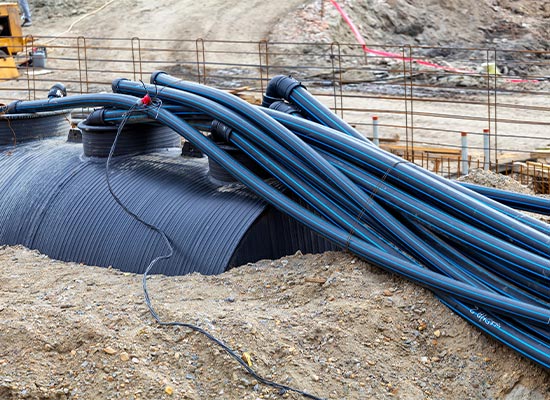
- Use butt fusion welding or electrofusion for reliable joints.
- Avoid sharp bends; maintain minimum bending radius of 20× diameter.
- Perform pressure testing before commissioning.
Maintenance Tips
- Inspect periodically for cracks or surface damage.
- Clean pipelines in industrial chemical applications to prevent scaling.
- Maintain pressure logs to detect anomalies early.
HDPE vs Alternative Piping Materials
| Material | Durability | Pressure Rating | Chemical Resistance | Cost per Meter |
|---|---|---|---|---|
| HDPE | 50+ yrs | 16–20 bar | Excellent | 2–18 |
| PVC | 25–30 yrs | 10–16 bar | Good | 1–6 |
| Steel | 40–50 yrs | 16–25 bar | Moderate | 6–25 |
Insight: HDPE provides optimal long-term value due to maintenance savings and high durability, even if initial cost is higher than PVC.
Regulatory Standards Affecting Price
- ISO 4427: Standards for polyethylene pipes used in water supply
- EN 12201: European standard for PE pressure piping systems
- JIS K6774 / ASTM F714: Japanese and US standards for potable water pipelines
Compliance with these standards often increases cost but ensures reliability and legal acceptability.
Expert Tips for Optimizing HDPE Pipe Cost
- Bulk ordering reduces per-meter cost by 5–10%
- Select appropriate pressure rating for application; avoid over-specification
- Partner with reputable suppliers to reduce rework and maintenance costs
FAQ
Q1: What influences high density polyethylene pipe price most?
A1: Resin type (PE80/PE100), pipe diameter, wall thickness, supplier, and region.
Q2: Is PE100 worth the premium?
A2: Yes, for high-pressure, potable water, or gas pipelines; lower lifecycle costs.
Q3: How do installation methods impact total cost?
A3: Correct butt or electrofusion welding prevents future leaks, saving money long-term.
Q4: Are HDPE pipes more cost-effective than PVC?
A4: Over the lifecycle, HDPE offers better durability, lower maintenance, and fewer replacements, making it more economical.
Q5: What is the 2026 price trend for HDPE pipes?
A5: Expected 3–5% increase due to PE100 supply constraints, offset partially by automation and production efficiencies.
Conclusion
In 2026, high density polyethylene pipe price trends reflect a balance between raw material costs, technological advancements, and infrastructure demand. HDPE pipes remain the preferred choice for modern projects due to their durability, chemical resistance, and cost efficiency over time.
By understanding market trends, choosing the appropriate grade, and following proper installation and maintenance practices, buyers can optimize costs and ensure long-term project reliability.
Strategic investment in HDPE pipes not only reduces maintenance and operational costs but also ensures compliance with global standards and sustainability goals.