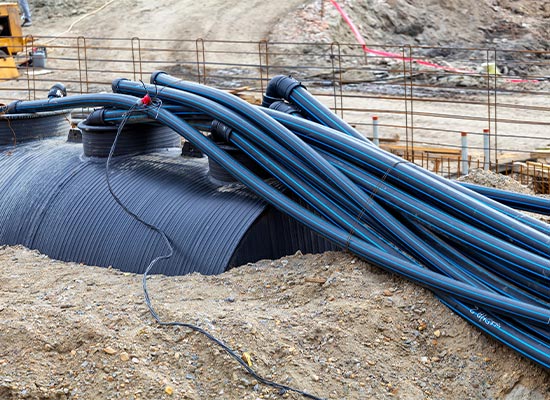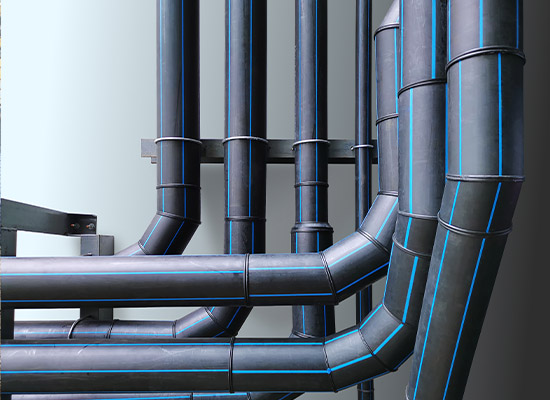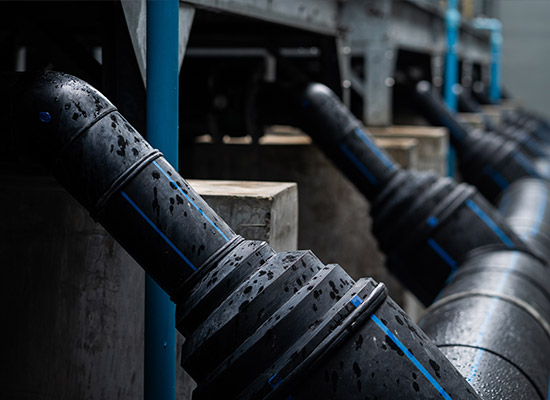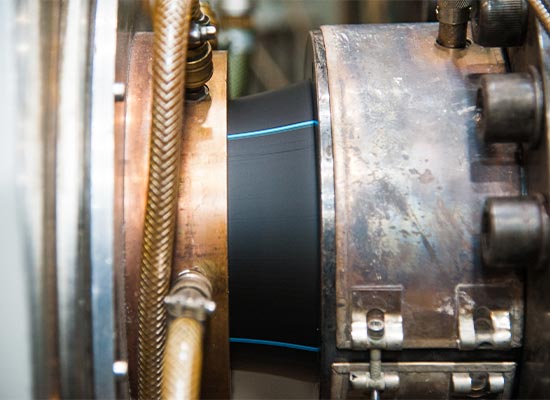
The plastic pipe industry plays a critical role in global infrastructure development, providing solutions for water supply, drainage, gas transportation, and even telecommunications. However, like many other sectors in the manufacturing industry, it faces significant environmental challenges, including concerns over plastic waste, resource consumption, and the long-term sustainability of its production processes. The environmental impact of plastic pipes, particularly in terms of raw material extraction, production emissions, and disposal after use, has led to increased scrutiny from both regulators and consumers.
In recent years, environmental regulations have become stricter, pushing the plastic pipe industry to find ways to reduce its ecological footprint. This article will explore the environmental challenges facing the plastic pipe industry and highlight how companies can innovate and adapt to meet these challenges while maintaining product quality and profitability.
The Growing Environmental Concerns in the Plastic Pipe Industry
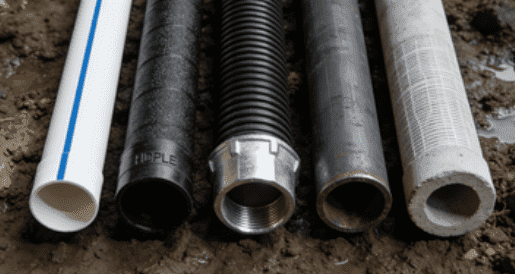
Plastic pipes, commonly made from materials such as polyethylene (PE), polypropylene (PP), and polyvinyl chloride (PVC), are valued for their durability, resistance to corrosion, and ease of installation. However, these benefits come at an environmental cost. One of the key challenges is the raw material used in production, as many of these plastics are derived from fossil fuels. The extraction of petroleum and natural gas contributes to climate change through greenhouse gas emissions and resource depletion.
Another major concern is the plastic waste generated by the industry, particularly during the installation and demolition of pipelines. When plastic pipes reach the end of their useful life, they often end up in landfills or are improperly disposed of, contributing to the global plastic waste crisis. According to estimates by the World Economic Forum, over 8 million tons of plastic enter the oceans each year, with plastic pipes sometimes being a source of this waste.
Additionally, while plastic pipes are typically durable, their long-term impact on the environment during their lifecycle — from production to disposal — is still being understood. For instance, even though plastic pipes may last for decades in the ground, they can leach chemicals into the soil or water supply over time, depending on the type of material and its exposure to environmental conditions.
Regulatory Pressures and Industry Response
As governments around the world adopt stricter environmental regulations, the plastic pipe industry is under increasing pressure to minimize its environmental impact. Regulations such as the EU’s Circular Economy Action Plan and ISO 14001 standards are driving companies to rethink their production processes, materials, and end-of-life disposal strategies.
In response to these pressures, the industry is turning to several strategies that not only comply with regulatory requirements but also reduce their carbon footprint:
- Material Innovation: One of the most important changes in the plastic pipe industry is the shift toward using sustainable materials. Companies are exploring bioplastics and recycled materials as alternatives to virgin plastic. For example, some manufacturers are now producing recycled polyethylene pipes (rPE) from post-consumer plastic, thereby reducing the reliance on fossil fuel-based plastics. These pipes are also fully recyclable at the end of their lifecycle, contributing to a more circular economy.
- Designing for Recycling: The plastic pipe industry is increasingly focusing on designing products with recyclability in mind. Modern plastic pipes are being designed with fewer additives and colors, making them easier to recycle. In addition, manufacturers are working to develop more standardized pipe materials, which can be easily sorted and processed during recycling. This innovation is important because it reduces contamination in the recycling stream and ensures that more plastic waste can be reused.
- Reducing the Carbon Footprint: Another response to environmental concerns is the reduction of carbon emissions associated with pipe production. This can be achieved by improving energy efficiency in manufacturing processes, such as using renewable energy sources in production plants, adopting energy-efficient machinery, and optimizing supply chains to minimize transportation emissions. Companies are also looking at ways to reduce the weight of plastic pipes, which decreases transportation costs and lowers emissions during delivery.
- Improved Waste Management: Companies in the plastic pipe sector are working to establish more efficient waste management systems. During installation, a significant amount of waste is generated, including excess pipes, fittings, and packaging. Manufacturers are increasing efforts to recycle this waste or repurpose it in other manufacturing processes. Additionally, there is an increasing trend toward reducing scrap during production by implementing better process control and precision, which can significantly reduce material waste.
- Eco-friendly Production Techniques: To further reduce the environmental impact, manufacturers are adopting cleaner production technologies. For example, extrusion technology, which is used to form plastic pipes, has seen significant improvements in energy efficiency, waste reduction, and overall environmental performance. Companies are also investing in advanced technologies like 3D printing to create complex pipe fittings and parts that can be produced on demand, reducing material waste and stockpiling issues.
Adoption of Circular Economy Principles
The concept of a circular economy is increasingly becoming central to the plastic pipe industry’s environmental strategies. A circular economy emphasizes recycling, reuse, and the reduction of waste, which contrasts with the traditional linear model of “take, make, dispose.” The aim is to keep resources in use for as long as possible, extract the maximum value from them, and minimize waste when products are no longer in use.
For plastic pipes, this means focusing on the following principles:
- Design for longevity: By designing plastic pipes to be durable and easy to repair, companies can reduce the need for frequent replacements. Additionally, pipes designed for longevity reduce the amount of waste generated by the industry in the long run.
- Post-use recycling: Encouraging the recycling of plastic pipes at the end of their lifecycle is a key aspect of the circular economy. By establishing better take-back systems and promoting the recycling of plastic pipes, manufacturers can reduce the amount of waste going to landfills and promote the reuse of valuable materials.
- Closed-loop systems: A closed-loop system allows for the recycling of plastic pipes back into the production cycle, meaning the materials from used pipes can be reused to create new products. Companies that adopt these systems can significantly reduce their reliance on virgin plastic and help address the global plastic waste problem.
Biodegradable and Eco-friendly Alternatives
To further reduce the environmental footprint of plastic pipes, manufacturers are researching biodegradable plastic alternatives that break down naturally in the environment. These alternatives use plant-based materials that decompose over time, reducing long-term environmental impact.
While biodegradable plastic pipes are still in the early stages of development, they represent an exciting opportunity for the future of the industry. Some manufacturers are also looking into compostable pipe materials or algae-based plastics that break down in landfills and do not contribute to ocean pollution.
The Role of Industry Collaboration and Consumer Awareness
Addressing environmental challenges in the plastic pipe industry is not solely the responsibility of manufacturers; collaboration between governments, non-governmental organizations (NGOs), industry associations, and consumers is critical. Governments can encourage sustainable practices through legislation and incentives, while NGOs can advocate for better waste management practices and promote recycling programs.
On the consumer side, greater awareness of the environmental impact of plastic pipes can drive demand for eco-friendly products. Builders, contractors, and municipalities are increasingly seeking environmentally responsible materials, and as a result, manufacturers are responding by investing in sustainable solutions.
Conclusion
The environmental challenges facing the plastic pipe industry are significant, but they also present opportunities for innovation and growth. By adopting sustainable production practices, embracing the circular economy, and investing in new materials and technologies, the industry can reduce its environmental impact while maintaining its vital role in global infrastructure development.
To succeed in this rapidly evolving landscape, companies must be proactive in addressing environmental concerns, embracing new standards, and continually innovating to stay ahead of regulatory requirements and market demands. By doing so, the plastic pipe industry can play a crucial role in building a more sustainable future.
Through a combination of regulation, innovation, and collaboration, the plastic pipe industry has the potential to transform into a sector that not only meets the world’s infrastructure needs but also supports environmental sustainability for generations to come.