Welcome to our in-depth look at PE & HDPE pipes and how they are transforming water supply, construction, and agricultural projects. Before you dive in, stay connected with us for expert tips, industry insights, and practical solutions:
🔹 Facebook – Join our community to ask questions and get the latest product updates
📺 Tiktok – Watch tutorials, installation guides, and project demonstrations
Let’s explore how high-performance plastic pipes can deliver efficiency, reliability, and long-term performance—read on to find out which solutions fit your project best!
Table of Contents
Water is the lifeblood of agriculture. With growing global food demand and increasing water scarcity, farmers face unprecedented challenges in managing water efficiently. Choosing the right irrigation piping system is critical for sustainable agriculture, high crop yield, and cost-effective operations. In this article, we explore what HDPE pipe is used for in agriculture, providing an in-depth guide for farmers, irrigation engineers, and agriculture enthusiasts looking to optimize their irrigation systems.
In this article, you’ll learn:
- Key applications of HDPE pipes in modern agriculture
- Benefits of HDPE pipes for irrigation, drainage, and fertigation
- How HDPE pipes improve water efficiency and reduce waste
- Comparative analysis of HDPE vs PVC and steel pipes
- Installation techniques, connection methods, and cost analysis
- Case studies and authoritative perspectives on HDPE usage
- Answers to common questions farmers ask about HDPE pipes
- Practical tips for choosing and maintaining HDPE irrigation systems
Introduction to HDPE Pipes in Agriculture
What Is HDPE Pipe?
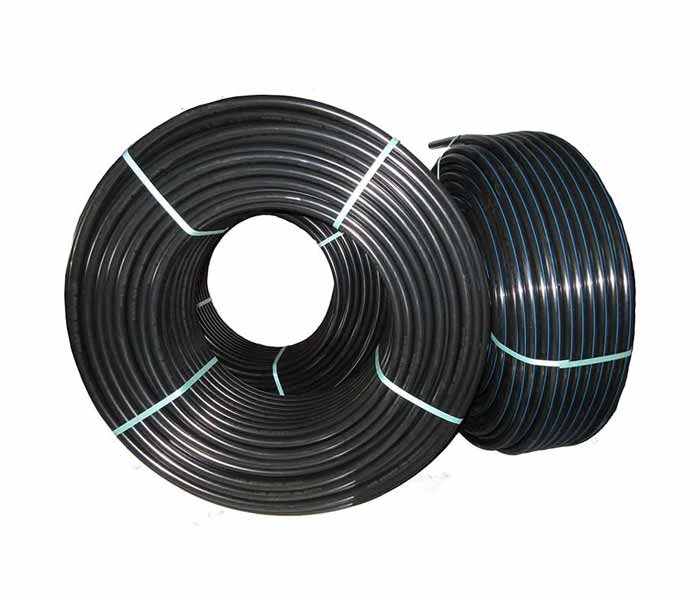
High-Density Polyethylene (HDPE) pipe is a durable, flexible, and corrosion-resistant piping solution widely used in agricultural irrigation. Its lightweight structure, long lifespan, and chemical resistance make it ideal for delivering water, fertilizers, and other nutrients to crops efficiently.
Why HDPE Pipes Are Vital for Agriculture
With water scarcity affecting nearly 40% of the global population according to UN Water statistics, precision irrigation is no longer optional—it’s essential. HDPE pipes help:
- Reduce water loss by up to 30–50% compared to traditional flood irrigation
- Lower maintenance and labor costs due to their durability and easy installation
- Increase crop yields through precise water and nutrient delivery
Agricultural Irrigation: Challenges and Solutions
Agricultural irrigation plays a crucial role in modern farming, ensuring that crops receive the right amount of water at the right time. However, effective irrigation is not without challenges. Understanding these challenges helps farmers and engineers optimize systems and select the right materials, such as HDPE pipes.
Common Pain Points
Water Waste
Traditional flood irrigation or poorly designed pipeline systems can result in up to 60% water loss through evaporation, runoff, and seepage. This inefficiency not only wastes valuable water but also increases operational costs for farmers.
What is HDPE pipe used for in addressing water waste?
HDPE pipes, particularly when paired with drip or micro-irrigation systems, deliver water directly to plant roots, ensuring minimal loss and maximum efficiency. Studies by the Food and Agriculture Organization (FAO) indicate that farms using HDPE-based drip irrigation can reduce water usage by 30–50% compared to conventional systems.
High Installation Costs
Installing pipelines in large agricultural fields can be labor-intensive and expensive. Traditional materials like steel or rigid PVC require heavy equipment and skilled labor for installation.
HDPE pipes address this challenge because of their lightweight, flexible, and modular design. Farmers can transport pipes easily, adapt layouts to field topography, and install systems faster, saving both labor and time. As a result, HDPE pipes significantly reduce upfront infrastructure costs for agricultural irrigation projects.
Low Irrigation Efficiency
Uneven water distribution is a common issue in many farms. Inadequate pipe sizing, poor layout, or low-quality materials can lead to some plants receiving too much water while others remain dry.
HDPE pipes allow for customized diameters and precise layout design, ensuring uniform water distribution across all crops. By implementing HDPE pipelines, farms can improve irrigation efficiency and increase overall crop yield.
Types of Agricultural Irrigation Systems Using HDPE
HDPE pipes are versatile and can support multiple agricultural irrigation system types. Understanding the right application is key to answering “what is HDPE pipe used for in agriculture.”
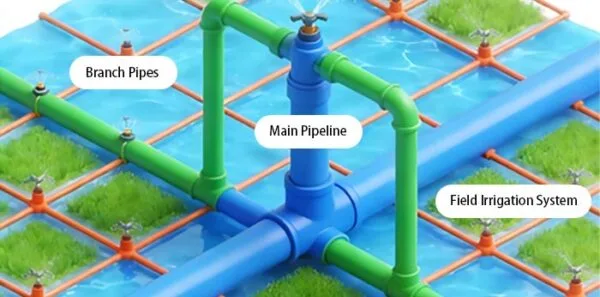
Main Pipeline Systems
The main pipeline carries water from reservoirs, wells, or pumping stations to various zones across a farm. HDPE pipes are ideal for this application because they:
- Withstand high pressure needed for sprinkler and pump-fed systems
- Resist soil chemicals, UV radiation, and temperature fluctuations
- Minimize leakage for long-term efficiency
Main pipelines often form the backbone of large-scale agricultural irrigation networks, supporting thousands of hectares of crops.
Field Irrigation Systems
Field irrigation involves the distribution of water directly to crops via drip tapes, micro-irrigation systems, or surface channels. HDPE pipes in these systems allow:
- Optimal growth for row crops like tomatoes, lettuce, maize, and cotton
- Efficient water use in orchards, vineyards, and other horticultural applications
- Integration with fertigation systems, enabling water + nutrient delivery simultaneously
Branch Pipelines
Branch pipelines connect main lines to individual fields or greenhouse zones. HDPE branch pipes offer:
- Easy adaptation to uneven terrain and complex layouts
- Quick installation and future reconfiguration if crop patterns change
- Low maintenance, even under heavy use or fluctuating pressure
Branch pipelines are particularly important in precision agriculture, where water delivery needs to match crop requirements exactly.
Applications of HDPE Pipes in Agriculture
Drip Irrigation Systems
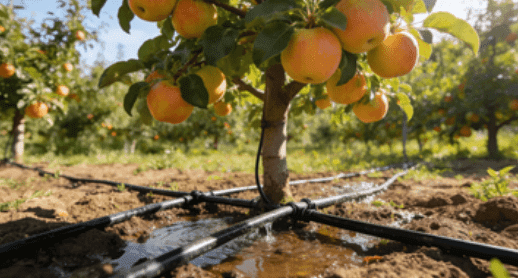
Drip irrigation is widely recognized as the most water-efficient method in agriculture. HDPE pipes ensure precise water volumes reach plant roots, reducing both evaporation and runoff.
Data Insight: According to a 2020 FAO study, farms using HDPE-based drip irrigation can increase crop yields by 35–40% compared to conventional irrigation.
Sprinkler Irrigation Systems
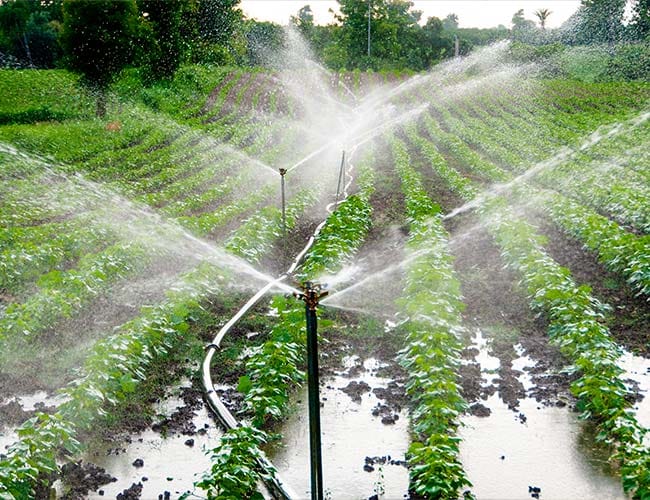
Sprinkler systems require pipes capable of handling high pressure. HDPE pipes provide:
- Uniform water coverage across large fields
- Long-term reliability with minimal leakage
- Resistance to soil chemical corrosion and UV exposure
HDPE sprinkler systems are particularly effective for cereals, turfgrass, and pasture crops.
Greenhouse Irrigation
Greenhouses demand consistent water and nutrient delivery. HDPE pipes provide:
- Lightweight, easy-to-install networks for tight greenhouse layouts
- Hygienic water supply, reducing contamination risks
- Compatibility with automated irrigation and fertigation systems
Livestock Water Supply
HDPE pipes are also widely used to supply water to livestock troughs. The smooth inner surface prevents contamination, and the pipes are non-toxic, ensuring animal health.
Fertigation Systems
Fertigation involves mixing water and fertilizers for direct plant delivery. HDPE pipes’ chemical resistance allows safe and reliable transport of nutrients, improving uptake efficiency and reducing fertilizer waste.
HDPE Pipe Advantages in Agriculture
Durability and Longevity
HDPE pipes resist UV degradation, chemical corrosion, and physical stress, providing a service life of 50+ years in agricultural settings.
Cost-Effectiveness
Compared to PVC or galvanized steel:
- HDPE pipes reduce installation costs due to lighter weight and flexibility
- Maintenance is minimal due to corrosion resistance and fewer joints
- Leaks are rare, which lowers water loss and operational costs
Water-Saving Benefits
HDPE pipes enhance precision irrigation, reduce evaporation, and provide consistent water supply. Efficient irrigation directly contributes to higher crop yields and better-quality produce.
Environmental Benefits
HDPE pipes are recyclable, non-toxic, and environmentally friendly, supporting sustainable farming practices and reducing the carbon footprint of agricultural irrigation systems.
Compatibility with Smart Agriculture
Modern agricultural irrigation increasingly relies on smart monitoring and automation systems. HDPE pipes can integrate with flow meters, pressure sensors, and automated valves, making them ideal for precision and data-driven irrigation.ure initiatives.
HDPE vs Other Pipe Materials
| Feature | HDPE Pipe | PVC Pipe | Galvanized Steel Pipe |
|---|---|---|---|
| Flexibility | High | Medium | Low |
| Lifespan | 50+ years | 20–30 years | 25–40 years |
| Chemical Resistance | Excellent | Good | Poor |
| Installation Ease | Easy | Moderate | Difficult |
| Water Efficiency | High | Medium | Low |
| Cost Over Lifetime | Low | Medium | High |
Key Insight: HDPE pipes outperform other materials in durability, flexibility, and long-term cost, making them the ideal choice for modern agriculture.
HDPE Pipe Installation Methods
Butt Fusion
Provides a permanent and high-pressure-resistant connection. Ideal for main pipelines in large farms. Requires specialized welding equipment.
Electrofusion
Suitable for medium to large-diameter pipes, offering secure, leak-proof connections. Widely used in greenhouse irrigation networks.
Quick Connect Fittings
Fast and convenient for small-diameter branch pipes, allowing rapid setup and maintenance.
Best Practices for Choosing HDPE Pipes in Agriculture
Determine Field Requirements
- Pipe diameter according to crop water needs
- Pressure rating for irrigation method
- Layout considering terrain and soil type
Installation Tips
- Minimize bends and joints to reduce pressure loss
- Use compatible fittings for secure connections
- Schedule regular inspections to detect leaks or blockages
Expert Advice
Dr. Li Wei, an irrigation specialist from Shandong Agricultural University, recommends:
“For modern farmland, HDPE drip irrigation combined with precise layout planning can save up to 40% water and increase crop yield significantly. Proper pipe selection is critical.”
Case Study: HDPE Pipes in Orchard Micro-Irrigation
Location: Shandong Province, China
Crop: Apple orchard, 50 hectares
System: Drip irrigation with HDPE main and branch pipelines
Results:
- Water usage reduced by 38%
- Installation cost reduced by 22% compared to PVC pipes
- Crop yield increased by 32% over 2 seasons
Conclusion: Properly designed HDPE pipe irrigation systems improve water efficiency, reduce costs, and enhance crop productivity.
Conclusion
What is HDPE pipe used for in agriculture? HDPE pipes are widely applied in field irrigation, greenhouse drip systems, orchard micro-irrigation, fertigation, and livestock water supply. Their flexibility, durability, water-saving properties, and low-cost maintenance make them the backbone of modern sustainable agriculture.
By choosing the right pipe size, connection method, and system layout, farmers can maximize water efficiency, increase crop yields, reduce installation costs, and contribute to a more sustainable and productive agricultural future.
FAQ
1. Can HDPE pipes be reused in different fields?
Yes. Due to their flexibility and durability, HDPE pipes can be relocated and reused, especially in seasonal crop rotations.
2. Are HDPE pipes safe for drinking water in livestock farms?
Yes, HDPE pipes are food-grade and non-toxic, making them safe for livestock water supply.
3. How does pipe diameter affect irrigation efficiency?
Larger diameters reduce friction and pressure loss, suitable for long main pipelines, while smaller diameters are ideal for branch or drip lines.
4. Can HDPE pipes withstand extreme temperatures?
HDPE pipes operate effectively between -40°C and 60°C, suitable for most agricultural climates.
5. Is professional installation required?
While small-diameter HDPE pipes can be installed quickly with quick-connect fittings, main pipelines with butt or electrofusion require trained personnel.
6. How do HDPE pipes compare with PVC in terms of flexibility?
HDPE pipes are much more flexible than PVC, allowing them to bend around obstacles without additional joints. This reduces installation complexity and potential leak points.
7. Can HDPE pipes handle fertilizers and chemicals for fertigation?
Yes. HDPE pipes are chemically resistant, making them ideal for transporting fertilizers and water-soluble nutrients directly to crops without corrosion or degradation.
8. What is the recommended maintenance schedule for HDPE irrigation pipes?
Most farms perform a visual inspection once every 3–6 months, checking for leaks, blockages, or damage. Small repairs can extend the system’s lifespan significantly.
9. Are HDPE pipes suitable for both small farms and large agricultural projects?
Absolutely. HDPE pipes are scalable, from small drip irrigation lines in gardens to large main pipelines across commercial farms or orchards.
10. How do I choose between butt fusion and electrofusion for my system?
- Butt fusion is ideal for long main pipelines requiring a permanent, high-pressure-resistant connection.
- Electrofusion works best for medium to large diameters, especially in greenhouse or orchard setups, providing secure and leak-proof joints.