Welcome to our in-depth look at high-quality plastic products and how they are transforming everyday life, industrial applications, and commercial projects. Before you dive in, stay connected with us for expert tips, industry insights, and practical solutions:
· Facebook – Join our community to ask questions and get the latest product updates
· Tiktok – Watch tutorials, installation guides, and project demonstrations
Let’s explore how durable and versatile plastic products can deliver efficiency, reliability, and long-term performance—read on to discover which solutions fit your needs best!
Table of Contents
Introduction

Construction sites are bustling environments where safety, efficiency, and compliance are paramount. One of the most critical components in maintaining safety standards is building debris netting. While often overlooked, this essential equipment serves multiple purposes, from protecting workers to preventing damage to surrounding properties.
Building debris netting is designed to catch and contain falling materials such as bricks, cement, and other construction debris. Its installation is not just a matter of regulatory compliance but also a practical approach to minimizing risks and financial losses. As urban construction projects grow taller and more complex, the importance of reliable debris netting cannot be overstated.
In this article, we will explore the significance of building debris netting, provide practical guidance for its selection and maintenance, and discuss how it contributes to both safety and efficiency on construction sites.
Key Benefits of Building Debris Netting
Enhanced Worker Safety
One of the primary advantages of building debris netting is the protection it provides to workers on the ground and at different elevations. Falling debris can cause severe injuries or fatalities, and having a robust netting system significantly reduces this risk.
Protecting Surrounding Property
Construction often takes place near residential or commercial areas. Without proper containment, debris can damage vehicles, windows, or nearby structures. Installing building debris netting acts as a buffer, safeguarding both public property and the project site.
Compliance with Safety Regulations
Many countries enforce strict safety standards for construction sites. Building debris netting helps ensure compliance with OSHA regulations or local building codes, reducing the likelihood of fines, project delays, or legal complications.
Cost-Effective Risk Management
While there is an upfront cost associated with purchasing and installing debris netting, it is minimal compared to potential medical expenses, legal liabilities, and property repair costs. A well-maintained netting system can save construction companies significant money over time.
How to Choose the Right Building Debris Netting
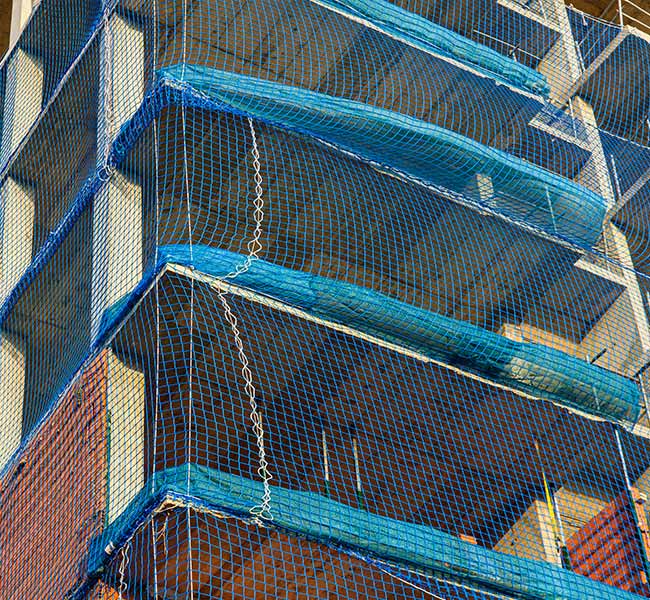
Selecting the right building debris netting is not a one-size-fits-all process. Each construction site has unique requirements depending on the type of project, height of the building, local weather conditions, and the type of debris generated. Choosing the wrong netting can lead to reduced safety, increased project risks, and higher long-term costs. Here is a comprehensive guide to help construction managers and safety officers make informed decisions.
Material Types and Durability
Building debris netting comes in a variety of materials, each with its advantages and limitations. The most commonly used materials are high-density polyethylene (HDPE), polypropylene, and nylon.
- High-Density Polyethylene (HDPE): HDPE is one of the most durable options for debris netting. It offers excellent resistance to UV radiation, which ensures that the net does not degrade quickly when exposed to sunlight over extended periods. HDPE is also resistant to chemicals, moisture, and abrasion, making it ideal for long-term outdoor construction projects where heavy materials such as bricks, concrete, or metal may fall onto the net. The longevity of HDPE netting often outweighs its slightly higher initial cost.
- Polypropylene: This material is lighter than HDPE and offers flexibility for temporary or shorter-duration projects. Polypropylene debris netting is easier to transport and install, making it suitable for projects that require quick setup and takedown. However, it may not perform as well as HDPE under harsh weather conditions or heavy debris loads. For small- to medium-sized construction projects, polypropylene can be a cost-effective option.
- Nylon: Nylon debris netting provides excellent elasticity, which is particularly useful for structures with irregular shapes or uneven surfaces. Its flexibility allows the net to absorb impact without tearing, making it suitable for sites where irregular debris shapes are common. Nylon is also strong, but it can degrade faster under prolonged UV exposure unless treated with protective coatings.
When choosing a material, consider the expected project duration, the types of debris, and the environmental conditions. For instance, a high-rise construction site in a sunny, windy region will benefit most from reinforced HDPE netting with UV protection.
Net Strength and Mesh Size
The effectiveness of building debris netting is largely determined by its strength and mesh size. Both factors must align with the type and weight of debris expected on the site.
- Strength Rating: The tensile strength of the net is crucial. Heavy debris, such as chunks of concrete, steel rods, or stacked bricks, requires netting with high tensile strength to avoid accidental breakage. For lighter materials such as sawdust, plaster, or roofing debris, medium-strength nets may suffice. Always choose a net that exceeds the maximum potential load rather than just matching it.
- Mesh Size: Mesh size refers to the dimensions of the individual openings in the net. Smaller mesh sizes are ideal for catching fine debris, preventing it from escaping and causing potential hazards to workers or passersby. Larger mesh sizes, on the other hand, are designed to accommodate bigger items like bricks or concrete slabs while still providing sufficient coverage. Some construction sites use a combination of mesh sizes in different zones to balance visibility, airflow, and debris containment.
Proper evaluation of the debris type, expected volume, and falling distance is essential to determine both the strength and mesh size requirements. This helps ensure the net performs reliably under real-world conditions.
Installation Considerations
Even the highest-quality building debris netting will fail if it is not installed correctly. Proper installation ensures that the net remains taut, evenly distributes weight, and effectively catches debris without sagging or tearing.
- Anchoring: Secure the net to strong structural points on the building, such as beams, scaffolding, or specially installed anchor points. Inadequate anchoring is a common cause of net failure, especially when debris hits the net at high velocity.
- Tension and Support: The net should be stretched evenly across the work area. Uneven tension can create weak points, causing sagging or gaps where debris can escape. Using adjustable hooks, ropes, or cables allows fine-tuning of tension during and after installation.
- Edge Reinforcement: Reinforced edges increase durability and reduce the likelihood of tearing at attachment points. Double-stitched edges or nets with integrated border cables are particularly useful for high-rise construction where heavy loads and wind stress are concerns.
- Accessibility for Adjustment: Ensure that the net can be adjusted easily as construction progresses. Temporary extensions or removals may be required as floors are completed or scaffolding is moved. Proper planning of installation points makes these adjustments faster and safer.
Environmental and Site Factors
The site environment significantly impacts the performance of building debris netting. Ignoring environmental factors can compromise safety and lead to frequent repairs or replacements.
- Weather Conditions: High winds, heavy rainfall, snow, or extreme sunlight can all affect net durability. In windy areas, reinforced netting or additional support lines are necessary to prevent the net from being blown away or ripped. Nets exposed to constant sunlight should have UV resistance to prevent degradation.
- Site Accessibility: Construction sites with limited space, irregular terrain, or surrounding obstacles require adaptable netting solutions. Custom-sized nets or modular panels can be used to fit these challenging conditions.
- Height and Project Scale: High-rise buildings require netting with higher strength ratings and reinforced attachment points due to the increased potential energy of falling debris. For low-rise buildings or smaller projects, standard netting may be sufficient.
- Proximity to Public Areas: Sites located near sidewalks, roads, or residential buildings may need extra layers of netting or tighter mesh sizes to protect pedestrians and property. Consider additional barriers such as temporary fencing in conjunction with debris netting to enhance safety.
By carefully evaluating all environmental and site-specific factors, construction managers can choose building debris netting that not only meets safety standards but also performs reliably under challenging conditions.
Building Debris Netting Comparison
| Netting Type | Material | Mesh Size | Strength Rating | Best Use |
|---|---|---|---|---|
| HDPE Debris Netting | High-Density Polyethylene | 1-2 inches | High | Long-term outdoor construction, heavy debris |
| Polypropylene Netting | Polypropylene | 2-3 inches | Medium | Lightweight debris, temporary projects |
| Nylon Safety Netting | Nylon | 1 inch | High | Complex structures, irregular debris shapes |
| Reinforced Mesh Netting | HDPE with reinforced edges | 1-2 inches | Very High | High-rise buildings, windy conditions |
This comparison highlights that no single type of building debris netting fits all situations. Project managers should weigh factors like material strength, mesh size, and site conditions to make the best choice.
Maintaining and Inspecting Building Debris Netting
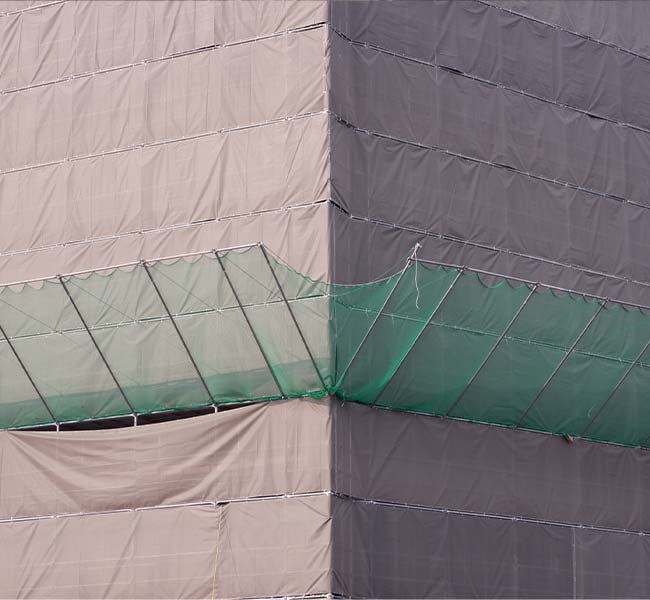
Proper maintenance and regular inspections of building debris netting are essential to ensure safety on construction sites, prolong the lifespan of the netting, and maintain regulatory compliance. Neglecting maintenance can compromise worker safety, lead to costly repairs, and potentially result in legal consequences. The following sections provide a detailed guide on how to maintain, inspect, and store building debris netting effectively.
Routine Inspections
Regular inspections are the cornerstone of effective debris netting maintenance. A building debris netting system may be exposed to harsh environmental conditions, heavy debris impacts, and constant tension, all of which can cause wear and tear over time.
- Inspection Frequency: For active construction sites, inspections should be conducted at least once a week. Additionally, after extreme weather events such as heavy winds, storms, or snow, a thorough check is crucial to ensure the netting has not been damaged.
- Inspection Checklist: Focus on key areas such as attachment points, corners, reinforced edges, and mid-span sections of the net. Look for tears, frays, broken ropes, or loose fasteners. Even minor fraying or small holes can compromise the overall effectiveness of the netting, allowing debris to escape.
- Document Findings: Keeping a detailed log of inspections, including date, observations, and any repairs made, helps track the netting’s condition over time. This documentation is also valuable for compliance audits and for justifying replacement schedules.
- Visual and Physical Checks: While visual inspections are essential, occasionally conducting physical checks by gently applying pressure to the net can reveal hidden weaknesses or worn areas that may not be visible from a distance.
Cleaning and Debris Removal
Accumulated debris and dust can add significant weight to the net and place unnecessary strain on the attachment points, reducing the net’s performance and lifespan. Regular cleaning ensures that the net remains effective and minimizes risks.
- Debris Removal: Remove trapped debris such as concrete chunks, bricks, and wood fragments promptly. Allowing heavy materials to remain on the net can cause sagging or even partial tearing over time.
- Washing the Net: Dust, dirt, and mud can accumulate on the netting, especially in construction sites with soil excavation or cement mixing. Washing the net with clean water using a hose or soft brush can help maintain its material integrity. Avoid using harsh chemicals that could degrade the netting fibers.
- Drying: After washing, ensure the netting dries completely before folding or storing it. Moisture left on the net can lead to mildew growth, weakening the fibers and causing long-term damage.
- Inspection During Cleaning: Cleaning is an ideal time to conduct a more detailed inspection. Check for subtle frays or stretched areas that may not be apparent during routine visual inspections.
Repair and Replacement
Even with regular inspections, wear and tear are inevitable over time. Knowing when and how to repair or replace building debris netting is critical for safety and efficiency.
- Minor Repairs: Small tears, frays, or damaged sections can often be repaired using patch kits, reinforced ties, or additional stitching. Repairing minor damage promptly prevents it from worsening and helps maintain the net’s integrity.
- Major Damage Replacement: Nets that show extensive wear, large tears, or weakened attachment points should be replaced entirely. Using compromised building debris netting is a serious safety hazard and can lead to accidents, property damage, or legal consequences.
- Professional Assessment: For large-scale construction projects or high-rise sites, consider having a professional safety officer or netting specialist assess the condition of the netting before deciding on repairs or replacement.
- Replacement Schedule: Even if a net appears intact, consider replacing it after several years of use, especially if exposed to harsh environmental conditions. Manufacturer guidelines often provide recommended replacement intervals based on material type and usage conditions.
Storage Between Projects
Proper storage of building debris netting is often overlooked but is essential for extending its service life and ensuring it remains safe and effective for future use.
- Dry and Shaded Storage: Always store reusable nets in a dry, shaded area. Direct sunlight and moisture can degrade materials such as HDPE, polypropylene, or nylon over time.
- Avoid Sharp Objects: Store the netting away from nails, screws, or other sharp objects that could puncture or tear the material.
- Proper Folding and Bundling: Fold the net carefully, avoiding tight creases that could weaken fibers. Bundling the net in a loose coil or roll helps maintain its shape and makes it easier to deploy during the next project.
- Pest and Mold Prevention: Ensure storage areas are free from pests such as rodents or insects that could damage the net. In humid climates, check periodically for mold or mildew growth and air out the nets if necessary.
- Labeling and Inventory Management: For construction companies with multiple netting sizes and types, label stored nets and keep an inventory log. This reduces confusion on future projects and ensures the correct type of building debris netting is readily available when needed.
Additional Maintenance Tips
- Training Workers: Educate workers and safety personnel on proper handling, inspection, and maintenance procedures. Correct usage reduces unnecessary wear and prevents accidental damage.
- Using Protective Accessories: Edge reinforcements, tensioning ropes, and support cables not only improve installation but also reduce the frequency of repairs.
- Monitoring Environmental Impacts: Pay attention to UV exposure, wind, rain, and chemical contact. Even high-quality nets require adjustments or early replacement if exposed to unusually harsh conditions.
- Record Keeping for Compliance: Maintain detailed records of all inspections, cleaning, repairs, and replacements. This documentation is often required for occupational safety audits and can protect the company in case of accidents.
By implementing a comprehensive maintenance and inspection program, building debris netting can remain effective for longer, providing consistent protection for workers and surrounding areas while also optimizing cost-efficiency for construction projects.
Conclusion
Building debris netting is more than just a regulatory requirement—it is a practical investment in safety, efficiency, and cost management on construction sites. From protecting workers and surrounding properties to ensuring compliance and minimizing financial risk, the benefits are clear.
Choosing the right netting type, installing it correctly, and maintaining it regularly will maximize its effectiveness and longevity. As construction projects become more complex and urban environments more crowded, the importance of reliable debris netting continues to grow. Companies that prioritize building debris netting not only safeguard their workforce but also reinforce their reputation for safety and professionalism.
FAQ
Q1: How often should building debris netting be inspected?
A1: Weekly inspections are recommended, along with checks after severe weather conditions to ensure the net remains intact.
Q2: Can debris netting be reused for multiple projects?
A2: Yes, if properly maintained, cleaned, and stored, debris netting can be reused. However, worn-out nets should be replaced immediately.
Q3: What types of debris are best suited for HDPE netting?
A3: HDPE netting is ideal for heavy materials such as bricks, concrete blocks, and construction waste in long-term outdoor projects.
Q4: Are there legal requirements for using building debris netting?
A4: Many countries and local jurisdictions have regulations mandating the use of debris netting to protect workers and public safety. Compliance helps avoid fines and legal issues.
Q5: How can I ensure debris netting is properly installed?
A5: Secure the net to the building framework using reinforced edges, hooks, and tension ropes. Professional installation and site-specific adjustments are highly recommended.