Welcome to our in-depth look at high-quality plastic products and how they are transforming everyday life, industrial applications, and commercial projects. Before you dive in, stay connected with us for expert tips, industry insights, and practical solutions:
· Facebook – Join our community to ask questions and get the latest product updates
· Tiktok – Watch tutorials, installation guides, and project demonstrations
Let’s explore how durable and versatile plastic products can deliver efficiency, reliability, and long-term performance—read on to discover which solutions fit your needs best!
Table of Contents
Blog Key Points
- Understanding what poly pipe for well is and why it’s widely used
- Types of poly pipe and their key features
- How to select the right pipe size for your well system
- Pressure ratings, depth capabilities, and flow rate considerations
- Comparison with steel and PVC pipes
- Installation and maintenance best practices
- Real-world case studies of poly pipe well systems
- Frequently asked questions for engineers and buyers
Introduction
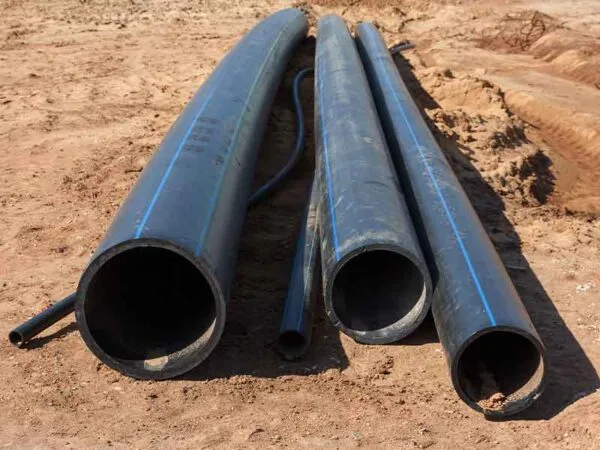
Selecting the right poly pipe for well is a critical decision for homeowners, farmers, and industrial operators. With increasing reliance on groundwater systems for irrigation, domestic water, and industrial use, choosing the appropriate pipe type and size ensures optimal water flow, reduced maintenance, and long-term durability.
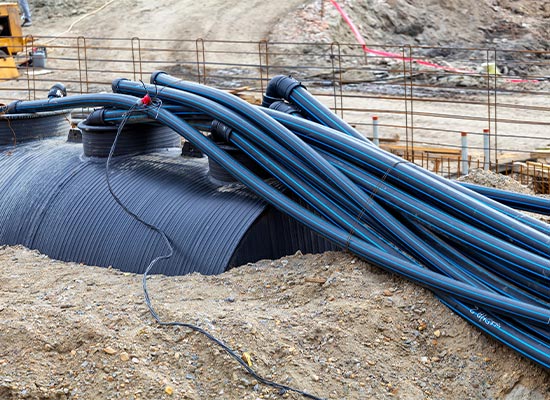
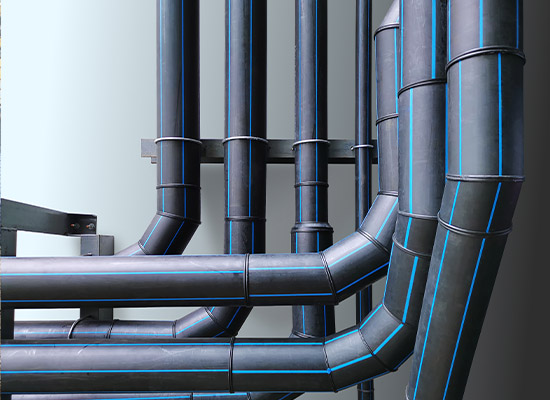
Poly pipe, made from high-density polyethylene (HDPE), is highly flexible, corrosion-resistant, and capable of withstanding environmental stress. This guide will explore how to choose the right poly pipe, including types, sizing, installation tips, maintenance strategies, and comparisons with alternative materials, so you can make an informed choice for your well system.
Understanding Poly Pipe for Well
What Is Poly Pipe for Well?
Poly pipe for well is designed for water extraction and distribution in wells and associated systems. Its unique properties make it ideal for challenging environments where traditional metal pipes might corrode or fail.
- Durable: Resistant to UV, chemicals, and mechanical stress
- Flexible: Can bend around obstacles, reducing the need for multiple fittings
- Lightweight: Easier to transport and install compared to steel
Applications:
- Domestic water supply from private wells
- Agricultural irrigation and water distribution
- Industrial water extraction systems
- Pump connections and storage tank systems
Key Advantages
- Long Service Life: 20–50 years depending on environmental conditions and installation quality
- Reduced Maintenance: Less prone to leaks, cracks, or corrosion
- Cost Efficiency: Lower installation and lifecycle costs compared to steel
- Eco-Friendly: HDPE can be recycled, and lower energy is required for manufacturing
Types of Poly Pipe for Well
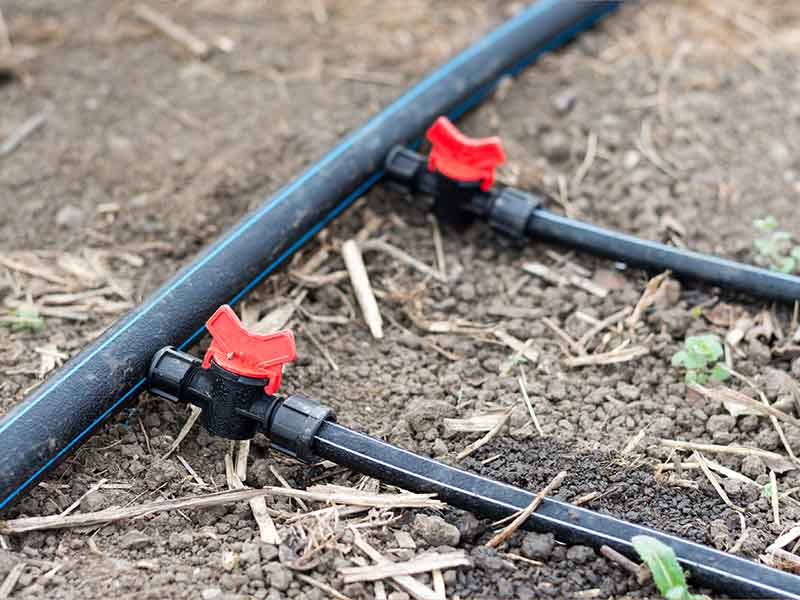
1. Standard HDPE Poly Pipe
Ideal for household wells and shallow irrigation systems. Provides adequate pressure resistance for domestic water applications up to 50 meters depth.
Characteristics:
- Pressure rating: 6–10 bar
- Diameter range: 20 mm – 110 mm
- Flexible and lightweight
2. Reinforced HDPE Poly Pipe
Used for high-pressure or deeper wells, often integrated with fiber or mesh reinforcement.
Characteristics:
- Pressure rating: 12–16 bar
- Depth capacity: up to 100 meters
- Excellent resistance to deformation under high pressure
3. Oxygen Barrier Poly Pipe
Incorporates a special barrier layer to reduce oxygen diffusion, preventing corrosion in pumps and fittings.
Characteristics:
- Pressure rating: 10–12 bar
- Suitable for pump connections and storage tanks
- Prevents long-term oxidation damage
Comparison Table of Poly Pipe Types
| Pipe Type | Max Depth | Pressure Rating | Best Use Case | Cost Factor |
|---|---|---|---|---|
| Standard HDPE | 50 m | 6–10 bar | Domestic wells, shallow irrigation | Low |
| Reinforced HDPE | 100 m | 12–16 bar | Deep wells, industrial pumping | Medium |
| Oxygen Barrier HDPE | 80 m | 10–12 bar | Pump connections, storage tanks | Medium-High |
Choosing the Right Size
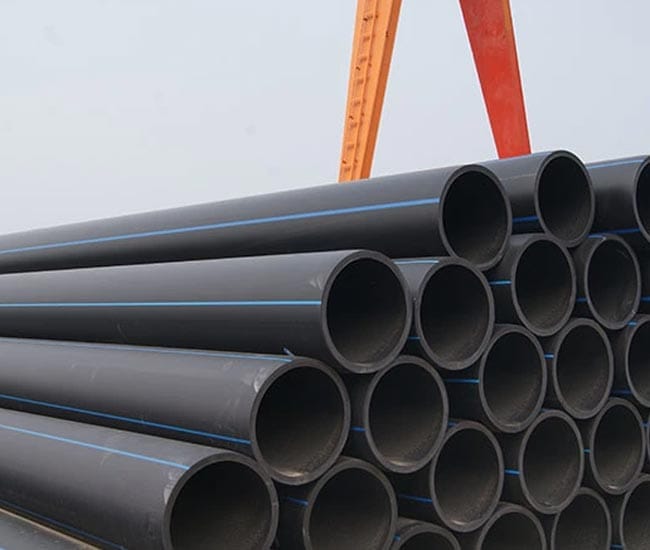
Determining Well Depth
The pipe length must accommodate:
- From the pump to the water source
- Additional length for bends or trenching
- Safety margin for above-ground connections
Calculating Flow Rate
Factors to consider:
- Pump capacity in liters per minute or gallons per hour
- Required water volume for household, farm, or industrial use
- Friction loss due to pipe diameter and length
Guideline: Larger diameters reduce friction and pressure drop, improving efficiency for high-flow applications.
Standard Diameter Recommendations
- 20–32 mm: Small domestic wells, low flow rates
- 40–63 mm: Medium domestic/irrigation wells, moderate flow
- 75–110 mm: Industrial wells, high flow rate or long-distance pumping
Poly Pipe vs Alternative Materials
Choosing the right material for well piping is critical, as it affects water quality, flow efficiency, installation costs, and long-term maintenance. Poly pipes have gained popularity due to their combination of flexibility, durability, and corrosion resistance. Let’s explore a detailed comparison with common alternatives: steel and PVC.
Poly Pipe vs Steel Pipe
| Feature | Poly Pipe | Steel Pipe |
|---|---|---|
| Corrosion Resistance | Excellent – HDPE resists rust, chemical corrosion, and water pH variations | Poor – Prone to rust, requires regular coating or galvanization |
| Weight | Lightweight – Easy to handle and transport, reduces labor costs | Heavy – Requires more manpower and machinery to move |
| Cost | Low – Lower material and installation costs | High – Material cost plus additional labor and anti-corrosion treatments |
| Flexibility | High – Can bend around corners, reducing fittings | Low – Rigid, requires multiple joints and elbows |
| Installation Ease | Easy – Quick trenching, minimal fittings | Difficult – Time-consuming, welding or threaded connections needed |
| Lifespan | 20–50 years depending on environment | 15–25 years with proper coating, prone to early corrosion |
| Maintenance Requirement | Minimal – Routine inspection and flushing | High – Rust prevention, joint monitoring, repainting |
Key Insight: Poly pipes outperform steel in resistance to corrosion, ease of installation, and overall lifecycle costs. For wells with acidic water or long-term underground installations, HDPE pipes are usually the preferred choice.
Poly Pipe vs PVC Pipe
PVC pipes are widely used in water systems, but poly pipes offer distinct advantages:
- Flexibility: Poly pipes bend more easily, allowing smoother turns with fewer fittings. This reduces the risk of leaks at joints and saves installation time.
- Temperature Resistance: Standard PVC can crack in extremely cold conditions. Poly pipe remains durable even at temperatures below 0°C, making it suitable for wells in colder climates.
- Pressure Handling: Reinforced HDPE pipes are designed to withstand higher pressures than standard PVC, especially for deep wells or high-capacity pumps.
- UV Stability: Certain PVC pipes degrade faster when exposed to sunlight. UV-resistant poly pipes can be safely used in above-ground sections with minimal degradation.
Concept Insight: While PVC is suitable for some shallow or low-pressure applications, poly pipe is the preferred choice for wells due to its superior flexibility, durability, and long-term reliability.
Installation Tips for Poly Pipe
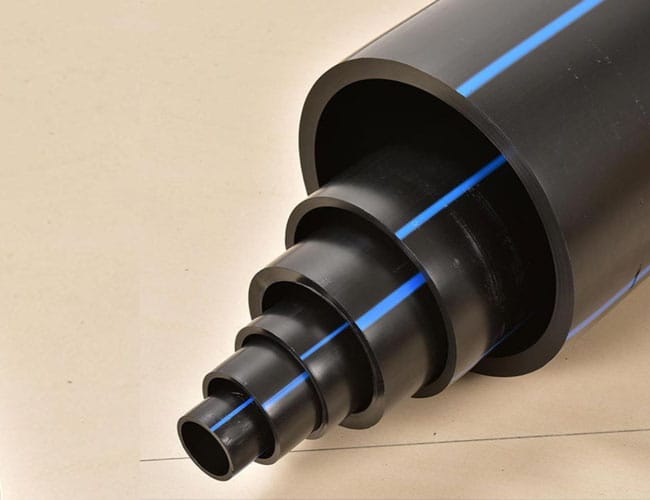
Site Preparation
Proper site preparation is essential for extending the lifespan of poly pipes:
- Trench Depth: Trenches must be deep enough to protect pipes from freezing, especially in regions with cold winters. A typical depth of 0.8–1.2 meters is recommended for residential wells.
- Surface Smoothing: Remove sharp rocks, debris, or roots to prevent abrasions that may puncture the pipe over time.
- Slope Considerations: Maintain a slight slope (0.5–1%) to allow natural drainage of water and avoid air locks in the system.
Joining Methods
Different joining methods are used depending on diameter, pressure, and pipe length:
- Butt Fusion:
- Creates seamless, strong joints by heating and fusing pipe ends together.
- Best for long continuous runs in industrial or agricultural wells.
- Minimizes leak risks compared to mechanical fittings.
- Compression Fittings:
- Ideal for smaller diameters (20–63 mm).
- Quick to install and remove, useful for temporary or modular systems.
- Flange Connections:
- Suitable for pump and tank interfaces.
- Ensures a secure, pressure-resistant joint, even under high flow conditions.
Above-Ground Considerations
- UV Protection: Poly pipe exposed to sunlight can degrade over time. Use sleeves, coatings, or shading to reduce UV exposure.
- Proper Support: Pipes should be supported every 1–2 meters to prevent sagging and stress at joints.
- Temperature Effects: In hot climates, consider insulation to reduce thermal expansion.
Maintenance Tips
Even though poly pipes require minimal maintenance, routine checks can prevent unexpected failures:
Routine Inspection
- Check for abrasions, scratches, or UV damage, particularly in exposed sections.
- Monitor water flow and pressure; sudden changes can indicate blockages or leaks.
- Inspect connections at pumps, valves, and storage tanks for tightness.
Cleaning
- Flush the system periodically to remove sediment, silt, or biofilm.
- Inspect pump intakes and fittings for debris that may reduce system efficiency.
Longevity Tip: Proper installation and regular maintenance can allow poly pipe for well systems to last 20–50 years, far longer than steel or PVC alternatives under similar conditions.
Real-World Case Study
Project: Agricultural irrigation system with a 60-meter deep well using 63 mm reinforced HDPE pipe
- Flow Rate: 50 m³/hour
- Result: Reduced pressure drop by 15% compared to PVC, improving water delivery efficiency
- Maintenance Savings: Minimal corrosion or joint failure over 5 years, lowering operational costs
- Cost Efficiency: Installation costs 25% lower than steel piping due to reduced labor and lighter material
Additional Insights: The reinforced HDPE pipe handled peak irrigation demand without expansion or cracking, demonstrating its reliability in high-pressure agricultural systems.
Industry Standards and Certifications
Choosing certified poly pipes ensures compliance with safety and performance standards, particularly for potable water wells:
- ISO 4427: International standard specifying dimensions, materials, and pressure ratings for HDPE pipes
- ASTM F714: Standard for polyethylene plastic pipe (PE100) used in water distribution
- NSF/ANSI 61: Certification for drinking water safety
Concept Insight: Using certified pipes reduces the risk of contamination and ensures the system meets engineering and safety standards.
FAQ
Q1: Can I use poly pipe for deep wells?
Yes, reinforced or oxygen barrier HDPE pipes are recommended for wells deeper than 50 meters.
Q2: How do I determine the correct diameter?
Consider flow rate, system pressure, and pipe length. Consult charts or engineers for precise sizing.
Q3: Is poly pipe safe for drinking water?
Yes, certified HDPE pipes (NSF/ANSI 61) are safe for potable water.
Q4: How long do poly pipes last in well applications?
Typically 20–50 years, depending on installation quality, environmental exposure, and maintenance.
Q5: Can poly pipes be connected to steel pumps?
Yes, using adaptors or flange fittings, ensuring a secure, leak-free joint.
Conclusion
Selecting the right poly pipe for well involves evaluating:
- Well depth and pressure requirements
- Desired flow rate and pipe diameter
- Material type (standard, reinforced, oxygen barrier)
- Installation and maintenance considerations
Poly pipes offer long-term durability, cost-effectiveness, and installation flexibility, making them the ideal choice for domestic, agricultural, and industrial well systems. By understanding the types, sizing, and proper maintenance, engineers and buyers can ensure reliable water delivery and reduced operational costs.