Welcome to our in-depth look at high-quality plastic products and how they are transforming everyday life, industrial applications, and commercial projects. Before you dive in, stay connected with us for expert tips, industry insights, and practical solutions:
· Facebook – Join our community to ask questions and get the latest product updates
· Tiktok – Watch tutorials, installation guides, and project demonstrations
Let’s explore how durable and versatile plastic products can deliver efficiency, reliability, and long-term performance—read on to discover which solutions fit your needs best!
Table of Contents
Key Takeaways
- Black polyethylene pipe is widely used in water, gas, and irrigation systems
- It offers flexibility, corrosion resistance, and long service life
- Different applications require different grades and pressure ratings
- Compared to PVC and metal pipes, it provides better adaptability in harsh environments
- Choosing the right size and type is essential for performance and durability
Introduction
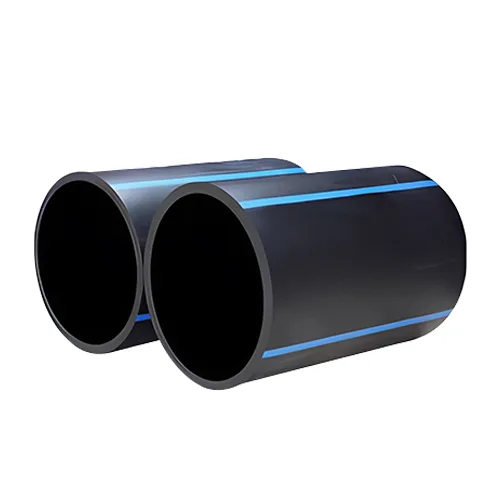
In today’s rapidly evolving infrastructure landscape, selecting the right piping material is no longer just a technical decision—it directly impacts cost efficiency, safety, and long-term reliability. Among all available options, black polyethylene pipe has emerged as a leading solution across industries such as water supply, agriculture, gas distribution, and mining.
From large-scale municipal projects in North America to precision irrigation systems in modern agriculture, black polyethylene pipe is becoming the preferred choice due to its unmatched combination of flexibility, durability, and environmental resistance. According to industry data, HDPE piping systems now account for over 30% of new water infrastructure installations globally, and this share continues to grow each year.
This article provides a comprehensive breakdown of black polyethylene pipe uses, technical properties, standards, comparisons, and real-world applications—helping engineers, contractors, and buyers make informed decisions.
What Is Black Polyethylene Pipe?
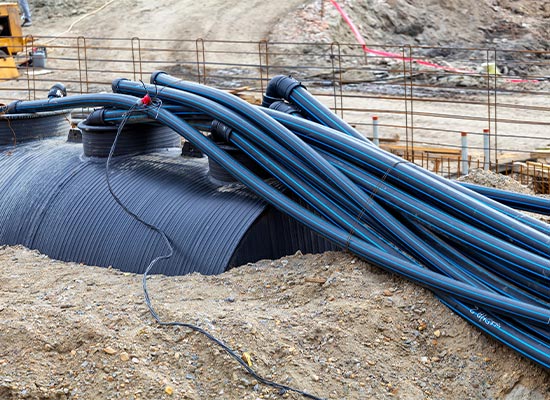
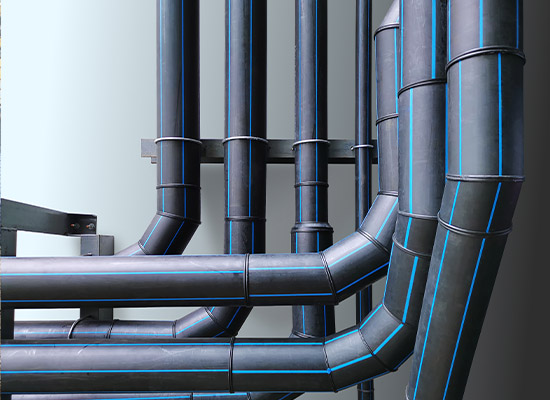
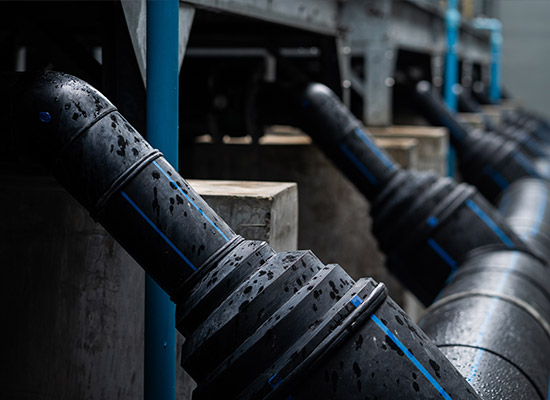
Black polyethylene pipe is a thermoplastic piping solution made primarily from high-density polyethylene (HDPE). It is engineered for transporting liquids and gases under pressure while maintaining structural integrity over long periods.
Core Material Properties of Black Polyethylene Pipe
High Flexibility
Black polyethylene pipe can bend to a radius of 20–25 times its diameter. This flexibility reduces the need for fittings and allows installation in challenging terrains.
Strong Chemical Resistance
It resists acids, alkalis, and salts commonly found in soil and industrial environments. This ensures long-term performance without corrosion.
UV Protection
Carbon black content (typically 2–3%) provides UV resistance. This allows outdoor storage and usage without rapid degradation.
Low Permeability
It minimizes leakage and contamination risks. This is critical for potable water and gas applications.
Manufacturing Process of Black Polyethylene Pipe
Understanding how black polyethylene pipe is made helps explain its superior performance.
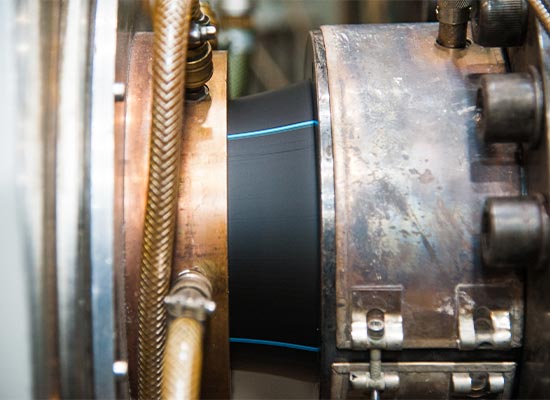
Extrusion Process
Raw Material Melting
Polyethylene pellets are heated to approximately 200–250°C. The molten material is then shaped through a die.
Pipe Formation
The material is extruded into a continuous pipe and cooled using water baths. This ensures dimensional stability.
Quality Control
Each pipe undergoes pressure testing, dimensional checks, and visual inspections. Standards such as ASTM and ISO are strictly followed.
Common Uses of Black Polyethylene Pipe

Black polyethylene pipe is widely used across industries due to its adaptability.
Water Supply Systems Using Black Polyethylene Pipe
Residential Water Lines
Black polyethylene pipe is commonly used for service lines connecting homes to main water supplies. Its flexibility reduces installation time by up to 30%.
Municipal Water Distribution
Cities use HDPE pipes for underground networks due to their leak-free fusion joints. Studies show leakage rates can be reduced by up to 90% compared to traditional materials.
Agricultural Applications of Black Polyethylene Pipe
Irrigation Systems
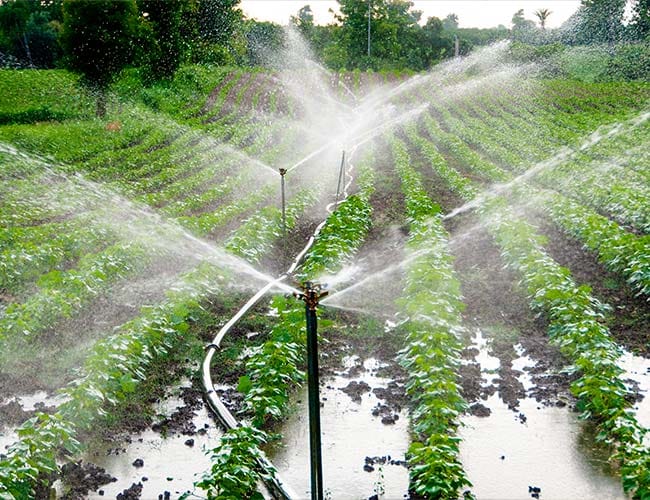
Black polyethylene pipe is ideal for drip irrigation and sprinkler systems. It supports efficient water distribution, reducing water waste by 20–40%.
Livestock Watering Systems
It ensures consistent water supply in remote areas. Its resistance to environmental stress makes it highly reliable.
Gas Distribution with Black Polyethylene Pipe
Natural Gas Transport
Black polyethylene pipe meets standards such as ASTM D2513 for gas distribution. It is widely used due to its safety and flexibility.
Propane Systems
It is also suitable for low-pressure propane distribution in rural and residential setups.
Industrial Uses of Black Polyethylene Pipe
Chemical Transport
Used for transporting non-reactive chemicals. Its resistance to corrosion minimizes contamination risks.
Mining Applications
In mining, black polyethylene pipe is used for slurry transport. Its abrasion resistance extends service life in harsh conditions.
Black Polyethylene Pipe vs Other Pipe Materials

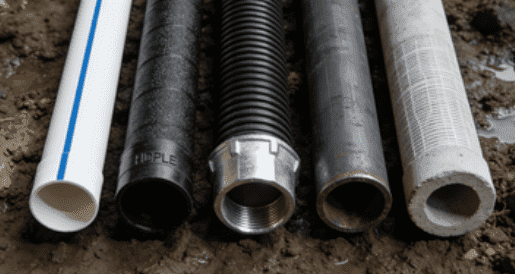
Black Polyethylene Pipe vs PVC Pipe
Flexibility Comparison
Black polyethylene pipe is significantly more flexible than PVC, making it ideal for seismic zones and shifting soils.
Durability Differences
PVC pipes may crack under impact, while black polyethylene pipe absorbs shock effectively.
Black Polyethylene Pipe vs Steel Pipe
Corrosion Resistance
Steel pipes require coatings and maintenance. Black polyethylene pipe eliminates corrosion concerns entirely.
Cost Efficiency
Although initial costs may be similar, lifecycle costs for black polyethylene pipe are typically 20–40% lower due to reduced maintenance.
Technical Standards and Certifications
Black polyethylene pipe must meet strict international standards to ensure safety and performance.
Common Standards
ASTM Standards
- ASTM D3035: Pressure-rated polyethylene pipe
- ASTM D3350: Material classification
ISO Standards
- ISO 4427: Water supply systems
- ISO 4437: Gas distribution
NSF Certification
Ensures the pipe is safe for potable water applications.
Key Factors When Choosing Black Polyethylene Pipe
Pipe Diameter and Thickness
Flow Requirements
Pipe diameter directly affects flow capacity. Engineers use hydraulic calculations to determine optimal sizing.
Pressure Rating
Pressure ratings range from 63 PSI to over 300 PSI. Selecting the correct rating ensures system safety.
Environmental Conditions
Temperature Resistance
Black polyethylene pipe performs well between -40°C and 60°C. Specialized grades extend this range.
Soil and Terrain
Its flexibility allows installation in rocky or unstable soil conditions without risk of cracking.
Typical Specifications Table for Black Polyethylene Pipe
| Application | Diameter Range | Pressure Rating | Key Benefit |
|---|---|---|---|
| Residential Water | 1/2″ – 2″ | 100–200 PSI | Easy installation |
| Irrigation Systems | 1″ – 6″ | 60–150 PSI | Flexible layout |
| Gas Distribution | 1/2″ – 4″ | 80–125 PSI | Leak resistance |
| Industrial Use | 2″ – 24″ | 100–300 PSI | Chemical resistance |
| Mining Applications | 4″ – 48″ | 150–300 PSI | Abrasion durability |
Installation Methods of Black Polyethylene Pipe
Trench Installation
Open Trench Method
The most common method for underground installation. It allows easy inspection and alignment.
Bedding Requirements
Proper bedding materials such as الرمل or sand prevent pipe deformation.
Trenchless Installation
Horizontal Directional Drilling (HDD)
Black polyethylene pipe is ideal for HDD due to its flexibility. It allows installation under roads and rivers without excavation.
Pipe Bursting
Used to replace old pipelines. The new black polyethylene pipe is pulled through existing infrastructure.
Real-World Case Studies
Municipal Water Upgrade Project
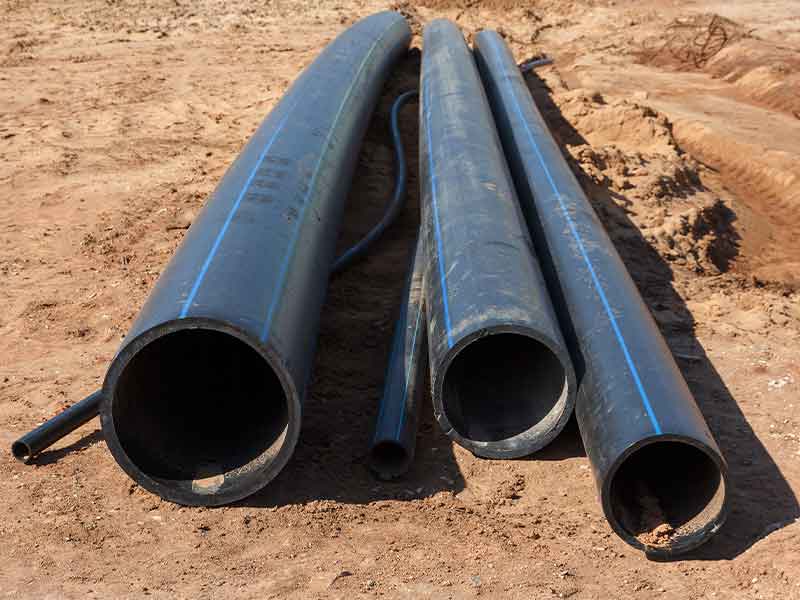
A city in California replaced aging steel pipes with black polyethylene pipe. Results included:
- 85% reduction in water leakage
- 40% lower maintenance costs
- Extended system lifespan beyond 50 years
Agricultural Irrigation Project
A large farm implemented black polyethylene pipe for drip irrigation:
- Water usage reduced by 35%
- Crop yield increased by 20%
- Installation time reduced by 25%
Environmental Impact of Black Polyethylene Pipe
Sustainability Benefits
Recyclability
Black polyethylene pipe is 100% recyclable. Recycled material can be reused in non-pressure applications.
Reduced Carbon Footprint
Lightweight design reduces transportation emissions. Longer lifespan minimizes replacement frequency.
Water Conservation
Leak Prevention
Fusion joints eliminate leaks, conserving valuable water resources.
Efficient Irrigation
Supports precision agriculture, reducing unnecessary water usage.
Advantages of Using Black Polyethylene Pipe
Long Service Life
Black polyethylene pipe can last over 50 years under normal operating conditions.
Leak-Free Performance
Fusion welding creates a continuous pipeline with no weak joints.
Lightweight and Easy Handling
It is up to 6–8 times lighter than steel pipes, reducing labor and transportation costs.
Limitations of Black Polyethylene Pipe
Temperature Sensitivity
High temperatures may affect structural integrity. Special grades are required for extreme conditions.
Mechanical Damage Risk
While flexible, it can be punctured by sharp objects if not properly protected.
Future Trends in Black Polyethylene Pipe Industry
Smart Pipeline Systems
Integration with sensors allows real-time monitoring of pressure and flow.
Increased Use in Renewable Energy Projects
Black polyethylene pipe is being used in geothermal and solar thermal systems.
Global Market Growth
The HDPE pipe market is projected to grow at a CAGR of 6–8% through 2030, driven by infrastructure investments.
FAQ
What is black polyethylene pipe used for?
Black polyethylene pipe is used for water supply, gas distribution, irrigation, and industrial fluid transport.
Is black polyethylene pipe safe for drinking water?
Yes, certified pipes meet NSF standards and are safe for potable water systems.
How long does black polyethylene pipe last?
It typically lasts over 50 years, depending on installation and operating conditions.
Can black polyethylene pipe be used underground?
Yes, it is ideal for underground applications due to its corrosion resistance and flexibility.
How does black polyethylene pipe compare to PVC?
Black polyethylene pipe is more flexible and impact-resistant, while PVC is more rigid and prone to cracking.
Conclusion
Black polyethylene pipe has become a cornerstone of modern infrastructure due to its versatility, durability, and cost-effectiveness. From residential water systems to large-scale industrial applications, its ability to perform under diverse conditions makes it a superior choice.
By understanding the various uses, technical specifications, and comparisons outlined in this guide, buyers and engineers can confidently select the right black polyethylene pipe for their projects. As global demand for efficient and sustainable infrastructure continues to rise, black polyethylene pipe will remain at the forefront of innovation and reliability.