Welcome to our in-depth look at high-quality plastic products and how they are transforming everyday life, industrial applications, and commercial projects. Before you dive in, stay connected with us for expert tips, industry insights, and practical solutions:
· Facebook – Join our community to ask questions and get the latest product updates
· Tiktok – Watch tutorials, installation guides, and project demonstrations
Let’s explore how durable and versatile plastic products can deliver efficiency, reliability, and long-term performance—read on to discover which solutions fit your needs best!
Table of Contents
- Understand what debris netting for construction is and how it improves site safety
- Learn core materials, manufacturing standards, and performance features
- Compare different types of safety netting used on construction sites
- Explore real-world applications in construction, industrial, and municipal projects
- Review international safety standards and compliance requirements
- Use comparison tables to choose the right debris netting system
- Learn maintenance, installation, and procurement best practices
- Find answers to common buyer questions in the FAQ section
What Is Debris Netting for Construction?

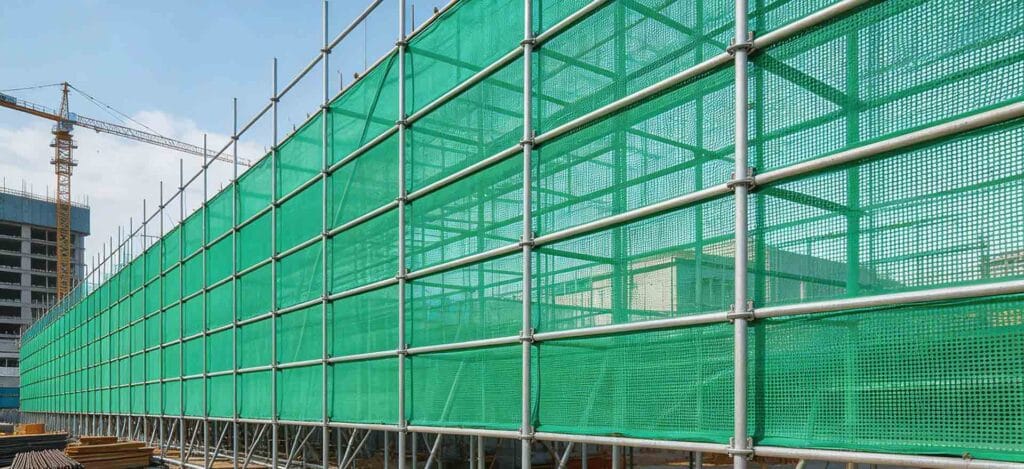
Debris netting for construction refers to a protective mesh system installed around scaffolding, building facades, and elevated structures to prevent falling objects, dust, and construction waste from reaching ground-level areas.
It is widely used in modern construction projects to improve site safety, protect pedestrians, and maintain compliance with international safety regulations. The system acts as a physical barrier while still allowing airflow and visibility.
This type of netting is commonly made from HDPE or polypropylene materials and is engineered for long-term outdoor exposure.
Why Site Safety Debris Netting Is Essential
Preventing Falling Object Accidents
Construction sites often involve elevated work zones where tools or materials may accidentally fall. Safety debris netting reduces the risk of injuries and property damage.
It acts as a secondary containment system that captures debris before it leaves the working platform.
Compliance with Safety Regulations
Many countries require fall protection systems for high-rise construction. Using debris netting for construction helps meet regulatory requirements such as EN 1263-1 and OSHA-related safety expectations.
Reducing Environmental Impact
Modern netting systems also help control dust and construction waste spread. This improves air quality around urban construction zones.
Materials and Manufacturing of Debris Netting for Construction
High-Density HDPE and PP Fibers
Most professional-grade debris netting for construction is made from HDPE or polypropylene fibers. These materials offer high tensile strength and flexibility.
They are reinforced with UV stabilizers and anti-aging agents to ensure long-term durability under sun exposure.
Advanced Weaving Technology
Modern production uses automated precision weaving machines to create uniform mesh structures. This ensures consistent strength distribution across the entire net.
Each batch typically undergoes multiple quality tests, including tear resistance and impact performance checks.
Environmental Safety Standards
High-quality debris netting is often certified under RoHS and REACH standards, ensuring it is free from toxic substances and environmentally safe for long-term use.
Key Features of Site Safety Debris Netting
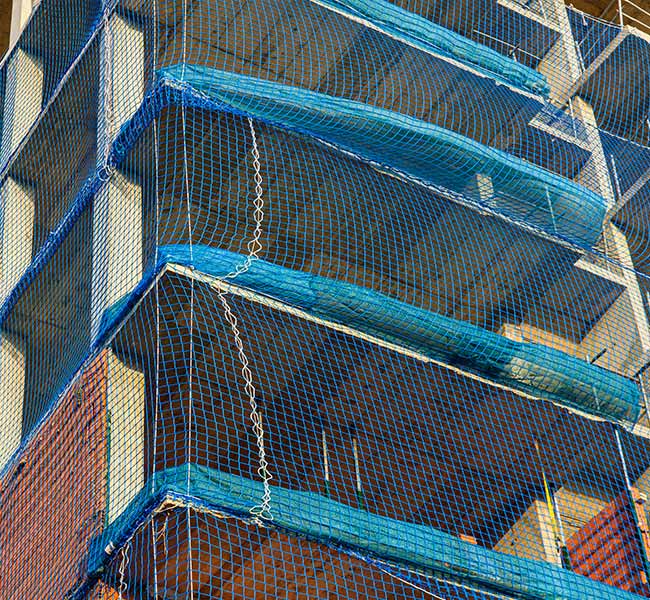
High-Density Mesh Structure
The dense mesh design ensures that even small debris is effectively captured. This reduces risks in high-traffic construction environments.
It also helps maintain controlled airflow without compromising safety.
Impact Resistance Capability
Industrial-grade debris netting for construction is designed to withstand high-impact forces from falling tools and materials.
This makes it suitable for high-rise scaffolding systems and bridge construction.
Weather Resistance Performance
UV resistance and anti-aging additives allow the netting to perform in harsh environments.
Typical outdoor lifespan ranges from 3 to 5 years depending on exposure conditions.
Lightweight and Easy Installation
Despite its strength, the netting is lightweight and easy to install. Reinforced edges with metal eyelets allow quick fastening to scaffolding structures.
Types of Debris Netting for Construction Applications
Standard Scaffold Netting
This type is used for general construction scaffolding protection. It focuses on basic debris containment and dust control.
It is suitable for residential and small commercial projects.
Heavy Duty Safety Debris Netting
Heavy duty versions are designed for large-scale infrastructure projects. They provide higher tensile strength and better impact resistance.
These nets are commonly used in bridges, high-rise buildings, and industrial facilities.
Custom Construction Netting Systems
Custom netting solutions allow adjustments in mesh size, color, reinforcement level, and branding.
They are often used in large government or corporate construction projects requiring specific compliance standards.
Debris Netting for Construction vs Safety Nets Comparison
Structural Differences
Debris netting is designed primarily for catching small to medium debris, while safety nets are designed for fall arrest systems.
This difference determines how and where each system is installed.
Application Focus
Debris netting for construction is mainly used for perimeter protection and containment.
Safety nets are typically installed beneath workers to prevent falls.
Load Capacity
Safety nets generally have higher load-bearing capacity compared to standard debris netting.
However, debris netting provides better coverage and surface protection.
Comparison Table: Choosing the Right Construction Netting
| Type | Primary Use | Material Strength | UV Resistance | Installation | Best Scenario |
|---|---|---|---|---|---|
| Standard Debris Netting | Dust & debris control | Medium | Medium | Easy | Residential buildings |
| Heavy Duty Netting | High-rise protection | High | High | Moderate | Infrastructure projects |
| Safety Net System | Fall protection | Very High | High | Complex | Worker safety zones |
| Custom Netting | Specialized projects | Adjustable | Adjustable | Custom | Large engineering projects |
Industry Standards for Debris Netting for Construction
EN 1263-1 Standard
This European standard defines safety requirements for netting systems used in construction environments.
It covers energy absorption, tensile strength, and structural testing methods.
ANSI/ASSE A10.11 Standard
This U.S. standard focuses on construction safety net systems and outlines installation and inspection procedures.
It ensures consistent safety performance across job sites.
BS 6399 Guidelines
British standards emphasize load resistance and structural safety under wind and environmental pressure.
These standards are widely referenced in international construction projects.
Real-World Construction Applications
High-Rise Building Projects
In skyscraper construction, debris netting for construction is installed around scaffolding to prevent falling tools and materials from reaching pedestrian zones.
Bridge Engineering Projects
Bridges require large-scale containment systems due to elevated working heights and heavy materials used.
Urban Renovation Works
In city environments, netting helps reduce dust pollution and protects nearby pedestrians and vehicles.
Installation Guide for Site Safety Debris Netting
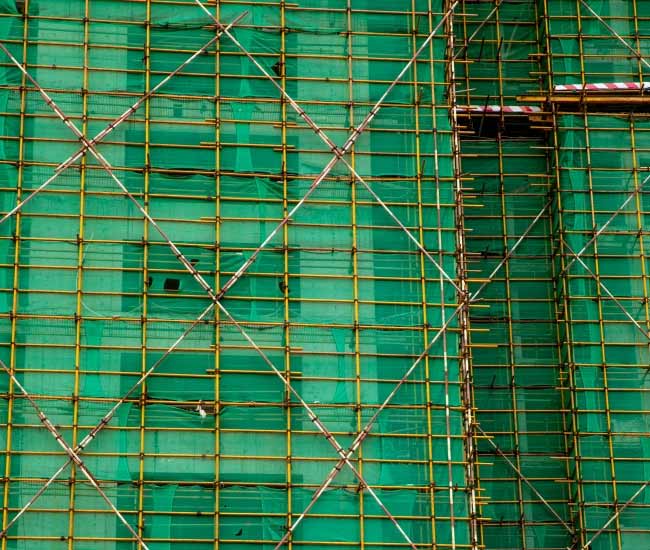
Step 1: Structural Inspection
Before installation, inspect scaffolding or support structures to ensure stability.
This prevents failure under tension load.
Step 2: Secure Fixing Points
Attach netting to reinforced points using hooks, ropes, or cable ties.
Ensure even tension distribution across the surface.
Step 3: Edge Reinforcement Check
Make sure reinforced edges are properly aligned and secured.
This improves durability under wind pressure.
Step 4: Final Safety Inspection
Conduct a full inspection to confirm that no gaps or loose areas remain.
Maintenance and Lifespan
Cleaning and Inspection
Regular cleaning prevents dust buildup and maintains airflow efficiency.
Periodic inspection ensures no tears or structural damage.
UV Protection Performance
High-quality debris netting for construction maintains performance for 3–5 years under outdoor conditions.
Replacement Guidelines
Replace netting immediately if significant tearing or weakening is observed.
Market Trends in Construction Safety Netting
The global construction safety netting market is growing steadily due to stricter safety regulations and increasing urban construction projects.
Key trends include:
- Increased demand for UV-resistant HDPE netting
- Growth in modular and reusable safety systems
- Higher adoption in infrastructure megaprojects
- Rising focus on environmental compliance (RoHS, REACH)
Practical Procurement Tips
Match Netting to Project Scale
Large infrastructure projects require heavy duty netting, while small projects can use standard versions.
Check Certification Documents
Always verify compliance with EN 1263-1 or equivalent standards before purchase.
Evaluate Installation Efficiency
Lightweight and pre-reinforced systems reduce labor costs significantly.
Consider Long-Term Cost Efficiency
Reusable netting provides better ROI over multiple construction cycles.
Conclusion
Debris netting for construction plays a critical role in modern building safety systems. It not only protects workers and pedestrians but also ensures compliance with international safety standards and improves overall site efficiency.
By understanding material properties, installation methods, and application differences, construction professionals can select the most suitable site safety debris netting for their projects. Proper selection leads to safer worksites, lower accident risk, and better long-term cost efficiency.
FAQ
What is debris netting for construction used for?
It is used to prevent falling debris, tools, and materials from reaching ground-level areas during construction activities.
Is debris netting required by law?
In many countries, safety regulations require fall protection systems for high-rise construction sites.
How long does construction debris netting last?
High-quality netting typically lasts 3 to 5 years depending on weather exposure and usage conditions.
Can debris netting withstand strong wind?
Yes, certified netting systems are designed to resist wind pressure when properly installed.
What is the difference between debris netting and safety netting?
Debris netting is used for containment, while safety netting is designed for fall protection.
What material is best for debris netting for construction?
HDPE and polypropylene fibers are the most commonly used materials due to their strength and UV resistance.