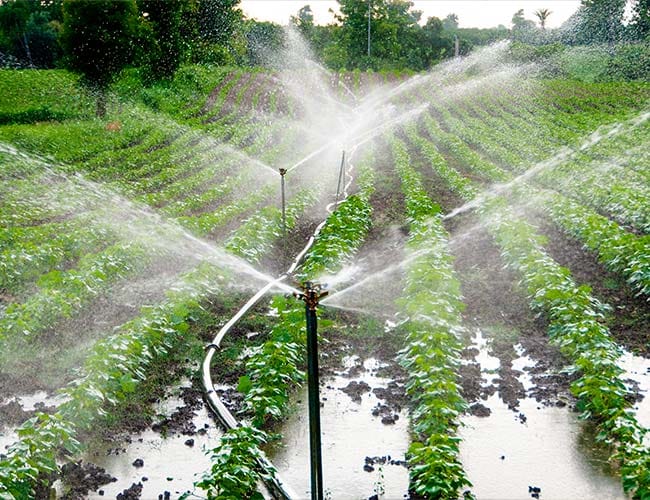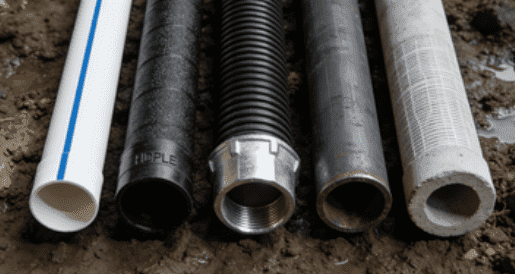
Welcome to our in-depth look at high-quality plastic products and how they are transforming everyday life, industrial applications, and commercial projects. Before you dive in, stay connected with us for expert tips, industry insights, and practical solutions:
· Facebook – Join our community to ask questions and get the latest product updates
· Tiktok – Watch tutorials, installation guides, and project demonstrations
Let’s explore how durable and versatile plastic products can deliver efficiency, reliability, and long-term performance—read on to discover which solutions fit your needs best!
Table of Contents
Key Takeaways
- Understand how agriculture plastic pipe improves modern irrigation efficiency
- Learn differences between drip tape, PE irrigation pipes, and traditional systems
- Explore materials like PE, PP, and PE100 used in agricultural pipelines
- Compare drip irrigation vs conventional irrigation systems
- Discover how water-saving technologies increase crop yield
- Review installation methods and system design concepts
- Learn durability factors such as UV resistance and anti-clogging design
- Understand fertilizer-water integration in modern farming systems
- Compare flexible pipe systems for different crop applications
- Explore real agricultural applications and use cases
Introduction
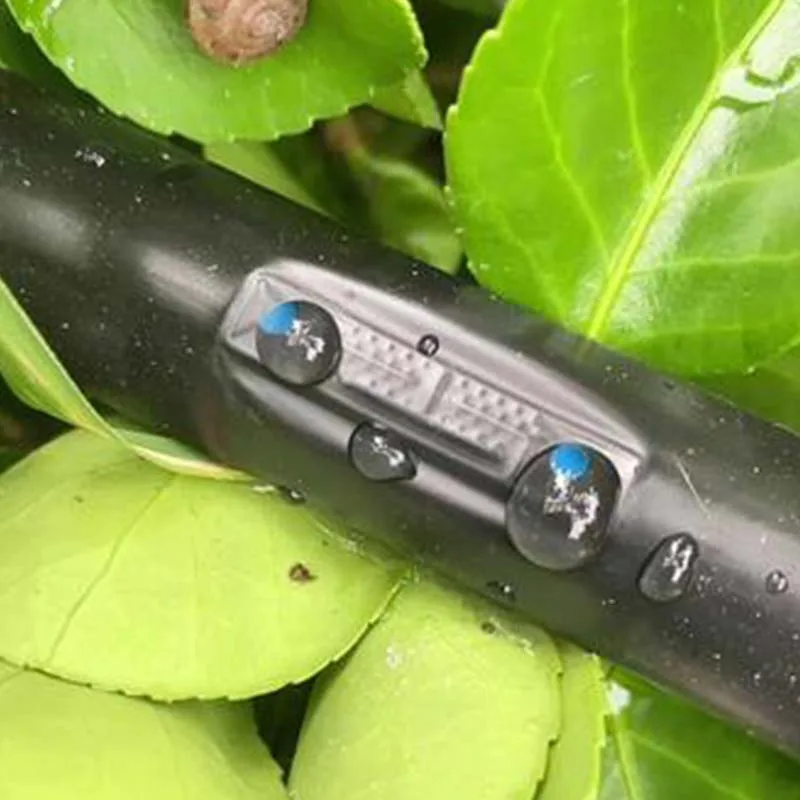
Modern agriculture is shifting rapidly toward precision irrigation, water conservation, and high-efficiency crop production. In this transformation, agriculture plastic pipe systems have become a core infrastructure technology supporting global farming development.
Unlike traditional metal or rigid irrigation systems, plastic-based agricultural piping offers flexibility, corrosion resistance, lightweight installation, and long service life. These advantages make it essential for greenhouse farming, field irrigation, orchards, and large-scale agricultural projects.
Today’s farming industry is under pressure to increase yield while reducing water consumption. According to global agricultural studies, drip-based irrigation systems can reduce water usage by up to 30–60% compared to flood irrigation methods. This makes plastic irrigation systems not only a technical upgrade but also a sustainability requirement.
What Is Agriculture Plastic Pipe?
Agriculture Plastic Pipe Definition
An agriculture plastic pipe is a specialized irrigation pipeline made from polyethylene (PE), polypropylene (PP), or composite materials designed for agricultural water delivery systems.
It is widely used in:
- Drip irrigation systems
- Sprinkler irrigation networks
- Fertilizer-water integrated systems
- Greenhouse irrigation
- Field crop irrigation
Core Function Concept
Precision Water Delivery System
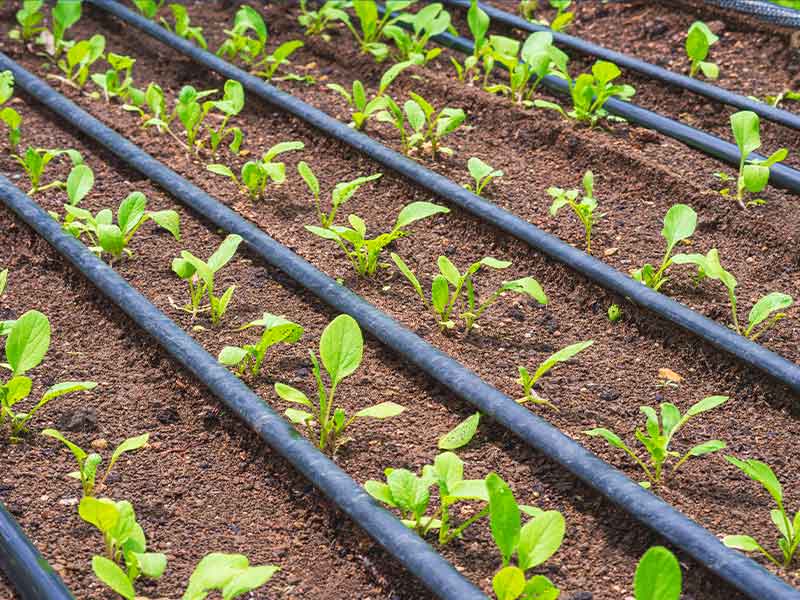
Agriculture plastic pipes are designed to deliver water directly to plant root zones with minimal loss.
This improves:
- Water efficiency
- Fertilizer absorption
- Crop uniformity
- Soil moisture control
Types of Agriculture Plastic Pipe Systems
Drip Tape Irrigation System
Precision Irrigation Concept
Drip tape is one of the most advanced forms of agriculture plastic pipe systems.
It uses embedded emitters to release water directly to crops.
Key benefits include:
- Uniform water distribution
- Reduced evaporation loss
- Low pressure operation
- Easy field installation
Structural Design Concept
Drip tape systems integrate multiple functional components:
- Flat emitter design for consistent flow
- Labyrinth flow channel for pressure control
- Anti-clogging filter structure
- Pre-installed drip points for labor savings
PE Agricultural Water Pipe System
PE100 Irrigation Concept
PE pipes are widely used in farmland irrigation systems due to their durability and flexibility.
They offer:
- High impact resistance
- Chemical resistance to fertilizers
- Long service life
- Smooth inner wall for efficient flow
PP and Composite Irrigation Pipes
Structural Reinforcement Concept
PP-based pipes provide higher stiffness and mechanical strength, making them suitable for structured irrigation networks.
They are often used in:
- Greenhouses
- Controlled irrigation systems
- Industrial agriculture setups
Agriculture Plastic Pipe Material Comparison
| Material Type | Key Feature | Best Application | Durability |
|---|---|---|---|
| PE (Polyethylene) | Flexible & lightweight | Field irrigation | High |
| PE100 | High strength & pressure resistance | Large farmland systems | Very High |
| PP (Polypropylene) | Rigid & durable | Greenhouses | High |
| Drip Tape (PE/PP blend) | Precision water delivery | Row crops | Medium–High |
How Agriculture Plastic Pipe Improves Farming Efficiency
Water Conservation Concept
Agriculture plastic pipe systems significantly reduce water waste.
Benefits include:
- Direct root-zone irrigation
- Reduced evaporation
- Controlled flow distribution
Fertilizer Integration Concept
Modern systems support fertigation (water + fertilizer mixing).
This improves:
- Nutrient absorption efficiency
- Crop growth consistency
- Fertilizer utilization rate
Key Structural Features of Agriculture Plastic Pipe
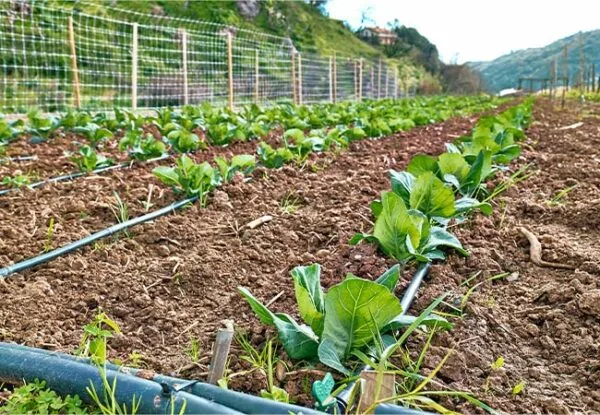
Anti-Clogging System Design
Flow Stability Concept
Drip irrigation systems include advanced anti-clogging technologies:
- Window-type filtration
- Labyrinth flow channels
- Enlarged outlet design
These features ensure stable long-term performance.
UV and Chemical Resistance
Environmental Protection Concept
Agriculture plastic pipe materials are engineered to resist:
- Sunlight exposure (UV degradation)
- Fertilizer chemicals
- Soil acidity and alkalinity
This ensures long service life in outdoor environments.
Flexible Installation Design
Labor Reduction Concept
Flexible pipe systems reduce installation difficulty.
Advantages:
- Easy field deployment
- Fewer joints required
- Lower labor cost
- Faster installation speed
Agriculture Plastic Pipe vs Traditional Irrigation Systems
| Feature | Plastic Pipe System | Traditional Metal Pipe |
|---|---|---|
| Weight | Lightweight | Heavy |
| Corrosion Resistance | Excellent | Poor |
| Installation Cost | Low | High |
| Flexibility | High | Low |
| Maintenance | Minimal | Frequent |
| Lifespan | Long | Medium |
Key Insight
Agriculture plastic pipe systems significantly outperform traditional metal systems in modern precision farming environments.
Applications of Agriculture Plastic Pipe
Field Crop Irrigation
Used for:
- Corn
- Wheat
- Vegetables
- Row crops
Provides consistent soil moisture distribution.
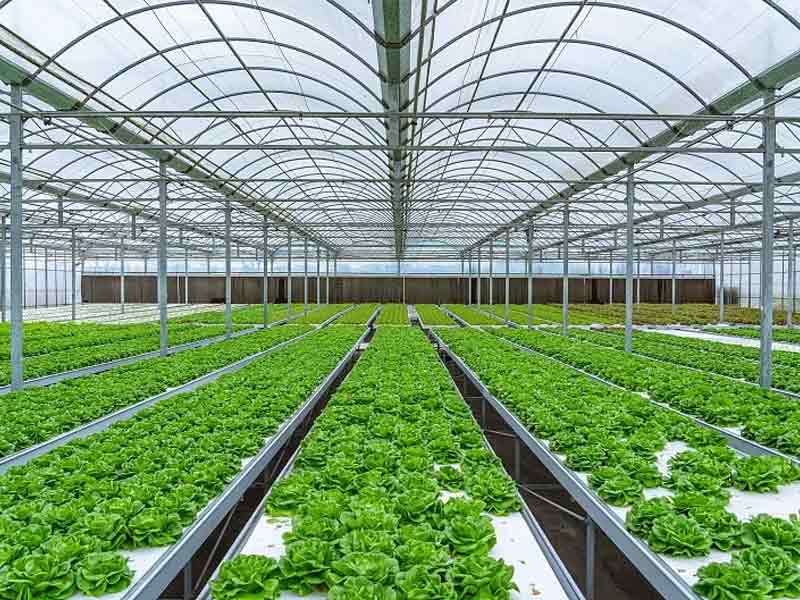
Greenhouse Farming
Controlled Environment Concept
Ideal for:
- Tomatoes
- Flowers
- Leafy vegetables
Ensures precise irrigation control.
Orchard Irrigation Systems
Used in:
- Fruit trees
- Vineyards
- Economic forestry
Helps maintain long-term soil hydration stability.
Installation and Maintenance Concept
Installation Process Overview
System Deployment Concept
Typical steps include:
- Pipe layout planning
- Ground preparation
- Pipe connection and sealing
- Pressure testing
Maintenance Strategy
System Longevity Concept
Regular maintenance includes:
- Flushing pipelines
- Checking emitters
- Inspecting leakage points
- Cleaning filters
Proper maintenance ensures long-term system efficiency.
Real-World Agriculture Plastic Pipe Case Applications
Case Example: Greenhouse Vegetable Farming
A greenhouse system using drip irrigation achieved:
- 40% water savings
- Improved crop uniformity
- Reduced fertilizer waste
Case Example: Large Farmland Irrigation
A PE pipe irrigation network improved:
- Water distribution efficiency
- System reliability
- Labor reduction
Future Trends in Agriculture Plastic Pipe Systems
Smart Irrigation Integration
Future systems will include:
- IoT-based water control
- Soil moisture sensors
- Automated irrigation scheduling
Sustainable Farming Development
Agriculture plastic pipe systems will continue supporting:
- Water conservation goals
- Carbon reduction strategies
- Precision agriculture expansion
Conclusion
Agriculture plastic pipe systems are a core technology in modern farming, enabling efficient water use, improved crop yields, and sustainable agricultural development. From drip tape systems to PE irrigation pipelines, these solutions provide flexible, durable, and cost-effective infrastructure for diverse agricultural applications.
As global farming continues to evolve toward precision agriculture, plastic irrigation systems will remain a key driver of productivity, efficiency, and environmental sustainability.
FAQ
What is agriculture plastic pipe used for?
It is used for irrigation systems that deliver water directly to crops in farmland, greenhouses, and orchards.
Is agriculture plastic pipe durable?
Yes, modern PE and PP pipes are designed to resist UV exposure, chemicals, and mechanical stress.
Which is better: drip tape or PE pipe?
Drip tape is better for row crops, while PE pipes are better for large-scale irrigation systems.
Can agriculture plastic pipe save water?
Yes, it can reduce water consumption by up to 30–60% compared to traditional irrigation methods.
How long does agriculture plastic pipe last?
High-quality systems can last many years depending on material type and usage conditions.