مرحبًا بكم في نظرتنا المتعمقة إلى المنتجات البلاستيكية عالية الجودة وكيف تعمل على تغيير الحياة اليومية والتطبيقات الصناعية والمشاريع التجارية. قبل أن تغوص، ابق على اتصال معنا للحصول على نصائح الخبراء ورؤى الصناعة والحلول العملية
· فيسبوك /cat انضم إلى مجتمعنا لطرح الأسئلة والحصول على آخر تحديثات المنتج
· تيك توك heat شاهد البرامج التعليمية وأدلة التثبيت وعروض المشروع
دعونا نستكشف كيف يمكن للمنتجات البلاستيكية المتينة والمتعددة الاستخدامات أن توفر الكفاءة والموثوقية والأداء على المدى الطويل لاكتشاف الحلول التي تناسب احتياجاتك بشكل أفضل!
جدول المحتويات
مقدمة
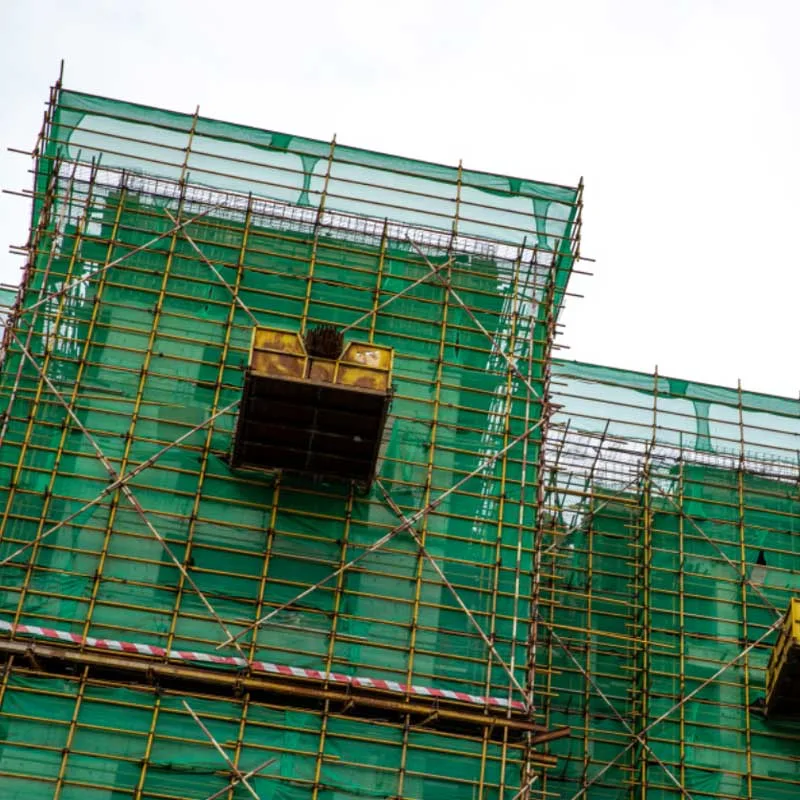
في البناء الحديث، السلامة ليست مجرد مطلب تنظيمي ولكنها ضرورة عمل. يعد سقوط الحطام أحد أكثر المخاطر شيوعًا في مواقع البناء، حيث يمثل نسبة كبيرة من الإصابات في مكان العمل كل عام. وفقًا لإدارة السلامة والصحة المهنية (OSHA، 2022)، فإن الأجسام المتساقطة تسبب ما يقرب من 15% من وفيات البناء على مستوى العالم. تنفيذ شبكة حطام السقالات هي طريقة مجربة لحماية العمال والمشاة والممتلكات، مع تقليل تأخيرات المشروع وتكاليف التأمين.
يقدم هذا الدليل نظرة عامة كاملة على شبكة حطام السقالات بدءًا من المواد وتقنيات التركيب وحتى مقاييس الأداء ومعايير الصناعة ودراسات الحالة الواقعية وتحليل التكلفة والعائد. سواء كنت مدير إنشاءات، أو مسؤول سلامة، أو متخصصًا في المشتريات، سيساعدك هذا الدليل على اتخاذ قرارات مستنيرة.
الوجبات الرئيسية لهذا الدليل
- التعريف والوظائف الأساسية لشبكات حطام السقالات
- المواد وتصميم النسيج ومعايير المتانة
- أفضل ممارسات التثبيت ونصائح السلامة
- المقارنة مع حلول السلامة البديلة
- التطبيقات عبر مشاريع البناء والصناعية والبلدية والزراعية
- الصيانة والتفتيش وإدارة دورة الحياة
- فعالية التكلفة، واستراتيجيات الشراء، وعائد الاستثمار
- الأسئلة الشائعة للإجابة على استعلامات المستخدم الشائعة
فهم شبكة حطام السقالات
المفهوم والغرض
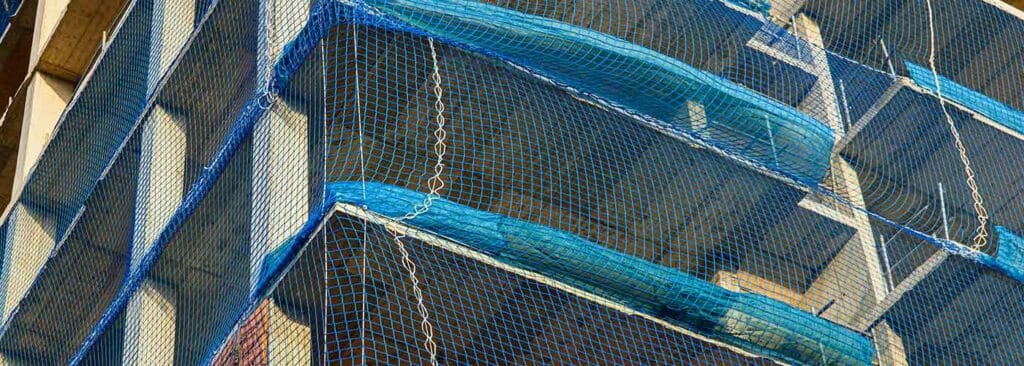
شبكة حطام السقالات عبارة عن شبكة متينة وعالية القوة مصممة لاحتواء الأدوات المتساقطة ومواد البناء والحطام. على عكس الحواجز الصلبة، تسمح شبكات الحطام بتدفق الهواء والرؤية مع توفير مقاومة الصدمات.
فوائد السلامة الرئيسية
- يحمي العمال من الأجسام المتساقطة
- يقلل من إصابات المشاة والعمال القريبين
- يقلل من الأضرار التي لحقت بالممتلكات
- يقلل من مخاطر الامتثال التنظيمي
بيانات الصناعة: تشير الدراسات التي أجرتها الجمعية الأوروبية لسلامة البناء (ECSA، 2021) إلى أن استخدام شبكة الحطام يقلل من حوادث سقوط الأجسام عن طريق ما يصل إلى 65% على المواقع المسدلة.
المواد ومعايير التصنيع
ألياف HDPE وPP المتميزة
معظم شبكات حطام السقالات الحديثة مصنوعة من HDPE (البولي إيثيلين عالي الكثافة) أو PP (البولي بروبيلين) ألياف. تقدم هذه المواد:
- قوة شد عالية (50.80 كيلو نيوتن/م²)
- مقاومة للأشعة فوق البنفسجية والمواد المضافة المضادة للشيخوخة
- طول عمر 3-5 سنوات في الهواء الطلق تحت الشمس والمطر المباشر
حافة معززة ونسيج متقدم
- شبكة عالية الكثافة تضمن احتواء الحطام الصغير
- الحواف المعززة تقلل من تلف التثبيت
- يعزز التعزيز عبر الخيوط مقاومة الصدمات
الامتثال للمعايير العالمية
الشباك المعتمدة تلبي معايير السلامة الدولية:
- إن 1263-1: المعيار الأوروبي للحماية من السقوط واحتواء الحطام
- أنسي/آسي A10.11: معيار السلامة الأمريكي لشباك السقالات
- بكالوريوس 6399: المعيار البريطاني لحماية مواقع البناء
تضمن هذه الشهادات اختبار الشبكات مقاومة التمزق، واستقرار الأشعة فوق البنفسجية، والقدرة على التحمل, ، منح مديري المشاريع الثقة في الأداء على المدى الطويل.
تقنيات التثبيت واحتياطات السلامة
إعداد خفيف الوزن وفعال
شبكة الحطام هي 40.60% أخف من القماش المشمع التقليدي أو الشبكة, ، مما يسمح للطواقم الصغيرة بالتثبيت بسرعة.
التداخل المناسب والتعلق
- يوصى بالتداخل بمقدار 10 بوصات و15 سم بين الألواح
- استخدم حلقات أو خطافات معدنية للتثبيت الآمن
- فحص جميع نقاط المرفقات بانتظام
إرشادات السلامة
- لا تقف أبدًا تحت الشباك غير المضمونة
- افحص التآكل والأضرار الناجمة عن الأشعة فوق البنفسجية والتمزقات قبل كل استخدام
- اتبع إرشادات تثبيت الشركة المصنعة لمنع الأعطال
التطبيقات عبر الصناعات
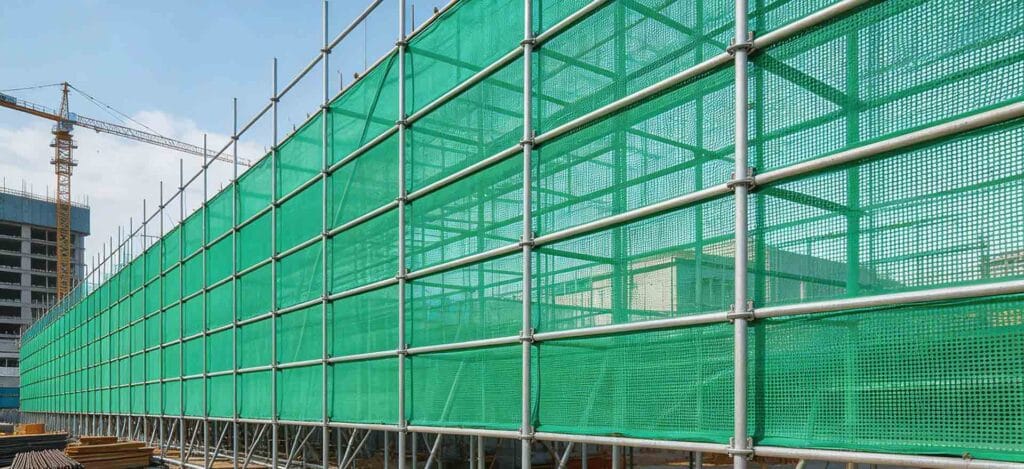
مواقع البناء
- حماية السقالات والواجهات وحواف الأرضيات وأعمدة المصاعد
- تحتوي على حطام المباني الشاهقة ومشاريع التجديد
المشاريع الصناعية والبلدية
- الجسور والطرق وبناء المستودعات
- يقلل من انتشار الغبار ويضمن سلامة العمال
- يسمح بالنشر المؤقت أو الدائم السهل
الاستخدامات الزراعية والخارجية
- الدفيئات الزراعية والبساتين والتخزين الخارجي
- يمنع تلف المحاصيل والمعدات
- يحافظ على تدفق الهواء واختراق ضوء الشمس
المشاريع الخاصة والحلول المخصصة
- الموانئ والملاعب والمناجم والمنشآت الصناعية
- كثافة الشبكة المخصصة والأحجام والألوان وتعزيز الحواف
- الشعارات القابلة للطباعة وتعليمات السلامة للامتثال
ميزات فريدة لشباك حطام السقالات
شبكة عالية الكثافة
يوقف الأدوات والحطام الصغير ومخلفات البناء مع السماح بمرور الضوء والهواء.
مقاومة التأثير والحمل
يدعم الأجسام ذات التأثير عالي السرعة، ويمنع التمزقات أو الفشل الصافي.
مقاومة الطقس والأشعة فوق البنفسجية
- يحافظ على السلامة في درجات الحرارة القصوى (-20°C إلى 60°C)
- تعمل إضافات الأشعة فوق البنفسجية على إطالة العمر الخارجي
- مقاومة للرياح والأمطار والتعرض لأشعة الشمس
خفيفة الوزن وسهلة التعامل
- يمكن تركيب الألواح بواسطة عاملين إلى ثلاثة عمال
- تعمل حواف الحلقات المعدنية المسلحة على تبسيط عملية التثبيت والإزالة
خيارات التخصيص
- الأحجام من 1m×2m إلى 6m×50m
- ألوان متعددة وكثافات شبكية
- طباعة الشعار وتعليمات السلامة
المقارنة: شبكة حطام السقالات مقابل القماش المشمع
| ميزة | شبكة حطام السقالات | القماش المشمع |
|---|---|---|
| احتواء الحطام | ممتاز | محدود |
| تدفق الهواء | تمت صيانته | مقيد |
| مقاومة الأشعة فوق البنفسجية | عالي | معتدل |
| إمكانية إعادة الاستخدام | عالي | معتدل |
| تثبيت | سريعة ومرنة | ضخمة وثقيلة |
| الرؤية | واضح | معوق |
تحليل: توفر الشباك حماية أكثر أمانًا ومتانة ومرونة مقارنة بالقماش المشمع. قد يمنع القماش المشمع تدفق الهواء، ويزيد من حمل الرياح، ويعوق الرؤية، مما قد يشكل مخاطر إضافية على مواقع البناء.
دراسات حالة في العالم الحقيقي
تجديد شاهق، لندن
- المشروع: تجديد مبنى مكون من 20 طابقا
- التنفيذ: شبكة سقالات HDPE مخصصة مقاس 50×6 م
- النتيجة: صفر حوادث سقوط الحطام؛ انخفاض حوادث العمل عن طريق 70%
بناء الجسر البلدي، ألمانيا
- المشروع: صيانة الجسر المعلق
- التنفيذ: شبكة PP ذات حواف معززة
- النتيجة: احتواء الحطام بكفاءة؛ تقليل تلوث الغبار في المناطق السكنية المجاورة
التخزين الزراعي، إسبانيا
- المشروع: مستودع فواكه خارجي
- التنفيذ: شبكة HDPE خفيفة الوزن
- النتيجة: حماية البضائع من الحطام؛ الحفاظ على تدفق الهواء، والحد من العفن والتلف
الصيانة وإدارة دورة الحياة
قائمة التحقق من التفتيش
- الدموع، الحواف المتآكلة، أضرار الأشعة فوق البنفسجية
- المرفق الصحيح في جميع نقاط السقالة
- فحص التوتر والمحاذاة المنتظم
التنظيف والتخزين
- شطف بالماء لإزالة الغبار
- تجنب المواد الكيميائية القاسية
- يحفظ في مكان مظلل وجاف لإطالة العمر
إرشادات الاستبدال
- استبدال بعد 3-5 سنوات
- استبدل على الفور في حالة حدوث تمزق كبير أو تلف بالأشعة فوق البنفسجية
فعالية التكلفة والمشتريات
تحليل عائد الاستثمار
- تخفيض مطالبات الحوادث وتكاليف التأمين
- تردد استبدال أقل من القماش المشمع التقليدي
- تركيب أقل كثافة في العمالة
نصائح الشراء
- اختر مواد HDPE/PP المعتمدة
- اختر الأحجام القابلة للتخصيص لكفاءة المشروع
- تضمين الأدلة وتقارير التفتيش وشهادات الامتثال
الأسئلة الشائعة
يستطيع شبكة حطام السقالات إعادة استخدامها؟
نعم، يمكن إعادة استخدام الشباك عالية الجودة عدة مرات مع الفحص والصيانة المناسبة.
ما هي المعايير التي يجب أن أتحقق منها؟
ضمان الامتثال للمعيار EN 1263-1 وANSI/ASSE A10.11 وBS 6399 للتحقق من السلامة والأداء.
هل يوقف كل الحطام؟
يتم احتواء معظم الأجسام المتساقطة؛ قد تتطلب الآلات الثقيلة للغاية حواجز إضافية.
كيف أختار كثافة الشبكة المناسبة؟
المشاريع الخفيفة: 25.30 جم/م²؛ الخدمة الشاقة: 40.50 جم/م².
هل التثبيت يتطلب عمالة كثيفة؟
لا، التصميم المعزز وخفيف الوزن يسمح لاثنين إلى ثلاثة عمال بإكمال التثبيت بسرعة.
هل يمكن استخدام شبكات الحطام في الهواء الطلق لمشاريع طويلة الأجل؟
نعم، الإضافات المقاومة للأشعة فوق البنفسجية والحواف المعززة تجعلها مناسبة للنشر في الهواء الطلق لعدة سنوات.
خاتمة
شبكة حطام السقالات هو حل متعدد الاستخدامات ومتين وفعال من حيث التكلفة لسلامة البناء. ومن خلال اختيار المواد المعتمدة، وتطبيق تقنيات التثبيت الصحيحة، وإجراء عمليات تفتيش منتظمة، يمكن لمديري البناء تقليل إصابات مكان العمل، وحماية المشاة والممتلكات، وضمان الامتثال التنظيمي.
مع خيارات التخصيص، والمقاومة عالية التأثير، والمتانة الفائقة، تعد شبكة حطام السقالات مثالية لمشاريع البناء والمشاريع الصناعية والبلدية والزراعية على حد سواء. يعد الاستثمار في شبكة الحطام عالية الجودة استثمارًا في السلامة والكفاءة والوفورات التشغيلية طويلة المدى.