Welcome to our in-depth look at high-quality plastic products and how they are transforming everyday life, industrial applications, and commercial projects. Before you dive in, stay connected with us for expert tips, industry insights, and practical solutions:
· Facebook – Join our community to ask questions and get the latest product updates
· Tiktok – Watch tutorials, installation guides, and project demonstrations
Let’s explore how durable and versatile plastic products can deliver efficiency, reliability, and long-term performance—read on to discover which solutions fit your needs best!
Table of Contents
Introduction
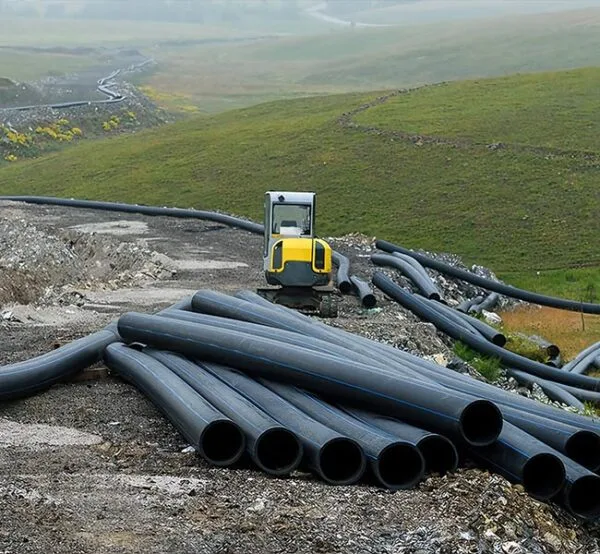
In modern infrastructure development, water distribution systems, agricultural irrigation networks, and industrial fluid transportation rely heavily on polymer piping systems. Among the most widely used materials, polyethylene (PE) tubing and polyvinyl chloride (PVC) piping dominate global demand.
According to a 2025 global polymer piping market report published by industry research groups, plastic pipe systems account for more than 65% of new water infrastructure installations worldwide, with PE tubing growing faster due to its flexibility, chemical resistance, and long lifecycle performance.
Understanding what is PE tubing and how it compares with PVC is critical for engineers, contractors, and procurement teams. Material selection directly affects installation cost, maintenance frequency, system lifespan, and operational safety.
This guide provides a detailed technical and commercial comparison of PE tubing vs PVC, supported by engineering standards, lifecycle data, real-world case studies, and industry performance benchmarks.
Key Takeaways
- PE tubing is flexible, impact-resistant, and ideal for underground systems
- PVC is rigid, cost-effective, and widely used in drainage and structural piping
- PE systems reduce joint failure risk due to fusion welding technology
- PVC performs better in static, low-movement environments
- Lifecycle cost of PE is often lower despite higher initial price
- Global infrastructure trends increasingly favor PE for water and gas systems
- Material selection should be based on pressure, environment, and installation complexity
What Is PE Tubing?
To clearly define what is PE tubing, it is a thermoplastic piping system made from polymerized ethylene. It is designed to transport fluids under pressure while maintaining flexibility and resistance to environmental stress.
Molecular Structure of PE Tubing
PE tubing is formed through polymer chains of ethylene monomers.
This structure creates a semi-crystalline material with high toughness and flexibility.
Engineering Characteristics
PE tubing is known for:
- High elasticity under load
- Excellent fatigue resistance
- Strong resistance to chemical corrosion
- Long-term pressure stability
Functional Role in Modern Infrastructure
PE tubing is widely used in:
- Municipal water systems
- Natural gas distribution networks
- Agricultural irrigation systems
- Industrial fluid transfer systems
What Is PVC Tubing?
PVC tubing is a rigid thermoplastic piping system made from vinyl chloride polymers. It is widely used in construction, drainage, and electrical protection systems.
Material Structure of PVC
PVC is composed of chlorine-based polymer chains.
This gives it rigidity and structural stability after processing.
Industrial Function
PVC is commonly applied in:
- Drainage and wastewater systems
- Building plumbing networks
- Electrical conduit protection
Key Limitation
PVC lacks flexibility and is more vulnerable to impact stress.
This limits its use in dynamic underground environments.
What Is PE Tubing vs PVC: Technical Comparison
Understanding what is PE tubing vs PVC requires analyzing engineering performance across multiple parameters.
| Performance Factor | PE Tubing | PVC Tubing |
|---|---|---|
| Flexibility | Very High | Low |
| Impact Resistance | Excellent | Moderate |
| Pressure Handling | High (up to PN25 systems) | Medium |
| Temperature Resistance | -40°C to 60°C | 0°C to 60°C |
| Joint Technology | Heat fusion welding | Solvent cement / mechanical |
| Crack Resistance | Very High | Medium to Low |
| Installation Cost | Medium | Low |
| Lifecycle (avg.) | 40–60 years | 25–40 years |
What Is PE Tubing Used For in Industry
Municipal Water Systems
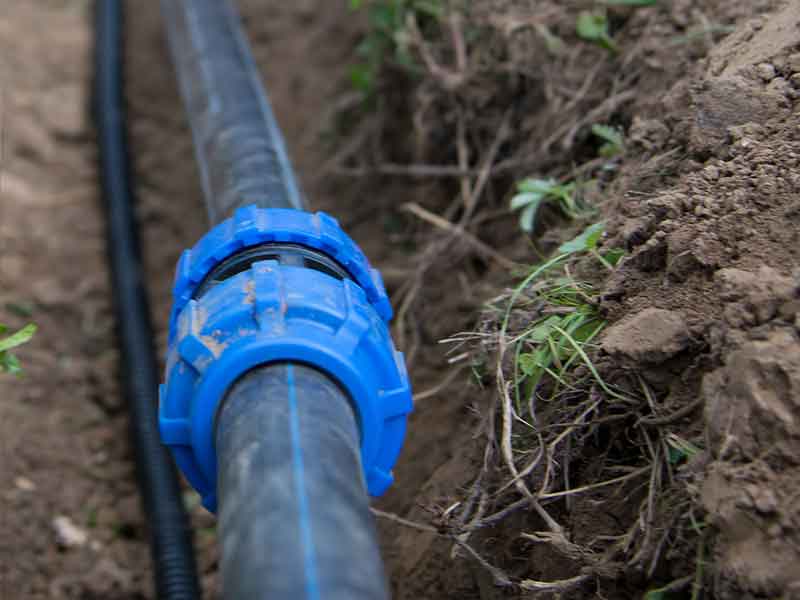
PE tubing is widely used in pressurized water distribution networks.
It reduces leakage risk due to its seamless fusion joints.
Engineering Advantage
Fusion-welded PE systems eliminate gasket failure points.
This significantly improves long-term reliability.
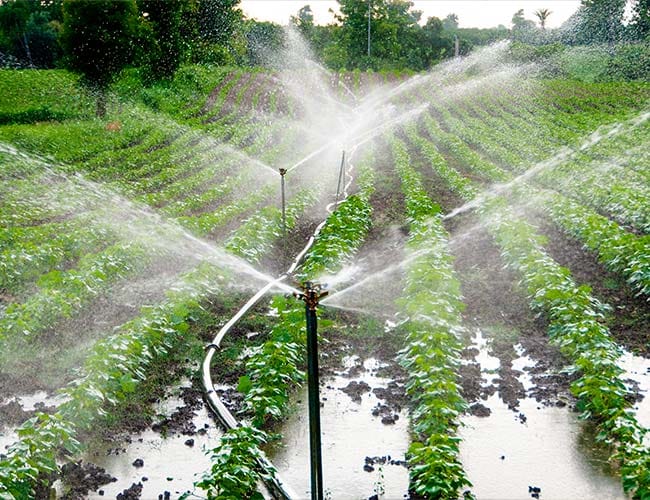
Agricultural Irrigation Systems
PE tubing dominates modern drip irrigation systems.
Performance Benefit
It allows precise water delivery with minimal loss.
Water efficiency improvements can reach 30–50% compared to traditional systems.
Natural Gas Distribution
High-density polyethylene (HDPE) is widely used in gas pipelines.
Safety Advantage
PE tubing provides high crack resistance under ground movement.
It reduces leak risks in seismic areas.
PVC Tubing Applications
Building Drainage Systems
PVC remains a standard material for gravity drainage systems.
Its rigidity supports stable flow paths.
Electrical Conduit Systems
PVC is commonly used to protect wiring.
It provides insulation and mechanical shielding.
Engineering Standards and Certifications
PE Tubing Standards
PE tubing is governed by multiple international standards:
- ISO 4427 – Polyethylene piping systems for water supply
- ASTM D3350 – PE material classification
- EN 12201 – Plastic piping systems for water supply
These standards ensure pressure rating accuracy and material consistency.
PVC Standards
PVC piping systems follow:
- ASTM D1785 – PVC pipe dimensions and pressure rating
- ASTM D2665 – PVC drainage piping
- ISO 1452 – PVC-U piping systems
Performance Engineering Analysis
Flexibility and Stress Response
PE tubing can absorb soil movement without cracking.
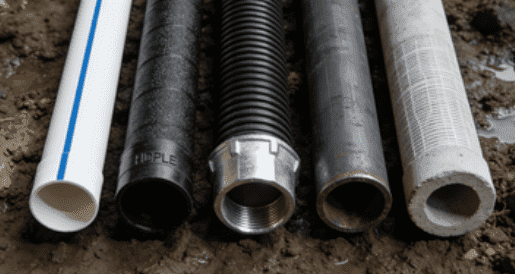
PVC is more rigid and transfers stress to joints.
Hydraulic Efficiency
PE tubing maintains smoother internal surfaces.
This reduces friction loss in fluid transport systems.
Temperature Behavior
PE remains flexible in freezing conditions.
PVC becomes brittle under low temperatures.
Installation Process Comparison
PE Tubing Installation Method
PE tubing is installed using heat fusion welding.
Process Steps
- Pipe alignment
- Surface heating
- Fusion bonding
- Cooling and solidification
Engineering Benefit
Creates a monolithic pipeline system with no weak joints.
PVC Installation Method
PVC uses solvent cement or mechanical fittings.
Process Steps
- Cutting and alignment
- Primer application
- Cement bonding
- Manual curing
Limitation
Joint strength depends heavily on installation quality.
Cost Structure Analysis
Initial Investment
PVC is generally cheaper in upfront material cost.
PE tubing requires higher initial investment.
Lifecycle Cost Advantage
PE tubing reduces maintenance, leakage, and replacement costs.
Total lifecycle savings can reach 20–35% in long-term projects.
Maintenance Cost Comparison
| Cost Factor | PE Tubing | PVC Tubing |
|---|---|---|
| Leak Repair | Low | Medium |
| Replacement | Rare | More Frequent |
| Joint Failure | Very Low | Higher |
Global Market Trends and Industry Reports
Infrastructure Investment Shift
World Bank infrastructure data shows increasing adoption of PE systems in developing regions.
This is driven by water loss reduction policies.
Sustainability Trend
PE tubing is increasingly preferred due to:
- Recyclability
- Lower leakage rates
- Reduced environmental impact
Industry Forecast
By 2030, PE piping systems are expected to surpass PVC in global water infrastructure usage.
Real-World Engineering Case Studies
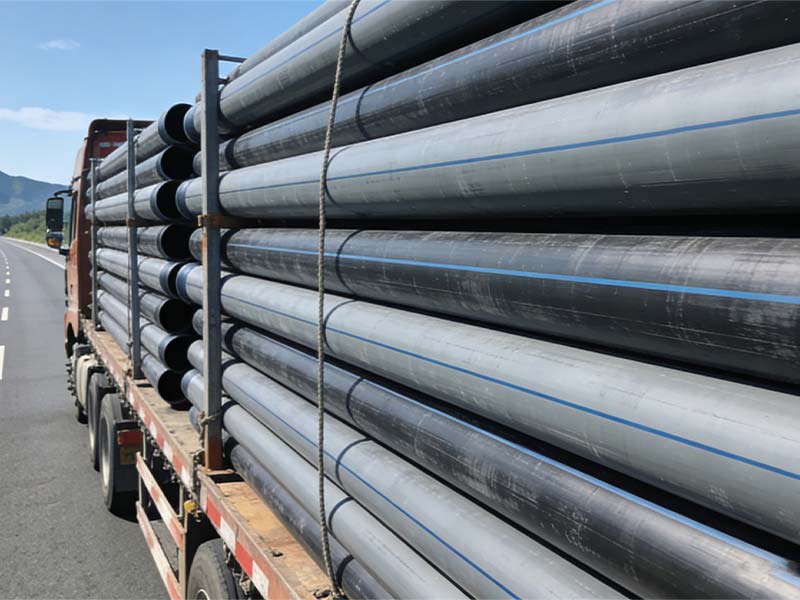
Case Study 1: European Water Network Upgrade
A municipal water authority replaced aging PVC pipelines with PE tubing.
Results:
- 38% reduction in leakage
- 25% lower maintenance cost
- Improved system pressure stability
Case Study 2: Agricultural Irrigation Expansion
A large-scale farm in Southeast Asia implemented PE drip irrigation systems.
Results:
- 45% water usage efficiency improvement
- Increased crop yield consistency
Case Study 3: Gas Distribution Modernization
A national utility upgraded to HDPE pipeline systems.
Results:
- Extended pipeline lifespan beyond 50 years
- Reduced leakage incidents by over 60%
Engineering Selection Guidelines
When to Choose PE Tubing
- Underground pipelines
- High-pressure systems
- Seismic or unstable soil areas
- Long-distance fluid transport
When to Choose PVC
- Indoor plumbing systems
- Drainage systems
- Low-pressure applications
- Cost-sensitive projects
FAQ
What is PE tubing made of?
PE tubing is made from polyethylene, a thermoplastic polymer derived from ethylene.
It is designed for flexibility and long-term durability.
Is PE tubing better than PVC?
PE tubing performs better in flexible, high-stress environments.
PVC is more suitable for rigid, low-movement applications.
How long does PE tubing last?
PE tubing can last between 40 and 60 years depending on conditions.
Proper installation significantly extends its lifespan.
Can PE tubing be used for drinking water?
Yes, certified PE tubing is widely used in potable water systems.
It meets international safety and hygiene standards.
What is the main difference between PE and PVC?
PE tubing is flexible and impact-resistant, while PVC is rigid and structurally stable.
Each serves different engineering requirements.
Conclusion
Understanding what is PE tubing vs PVC is essential for selecting the right piping system in modern infrastructure projects. PE tubing provides superior flexibility, long-term durability, and excellent performance in underground and high-movement environments. PVC remains a cost-effective and reliable solution for rigid, low-stress applications.
In today’s engineering landscape, material selection is no longer based solely on price—it is a lifecycle performance decision. PE tubing is increasingly becoming the preferred choice for modern water, gas, and irrigation systems due to its efficiency, safety, and long-term cost advantages.