Welcome to our in-depth look at high-quality plastic products and how they are transforming everyday life, industrial applications, and commercial projects. Before you dive in, stay connected with us for expert tips, industry insights, and practical solutions:
· Facebook – Join our community to ask questions and get the latest product updates
· Tiktok – Watch tutorials, installation guides, and project demonstrations
Let’s explore how durable and versatile plastic products can deliver efficiency, reliability, and long-term performance—read on to discover which solutions fit your needs best!
Table of Contents
Key Takeaways for This Blog
- Benefits of plastic corrugated sheets for packaging, storage, and transport
- Types, sizes, and specifications suitable for various industries
- Comparison with traditional materials such as cardboard and paper
- Cost-effectiveness, durability, and sustainability advantages
- Practical tips for selecting the right plastic corrugated sheets
- Case studies and real-world examples from multiple industries
- Industry standards, regulations, and compliance considerations
- FAQs based on user search queries and AI-driven question patterns
Introduction
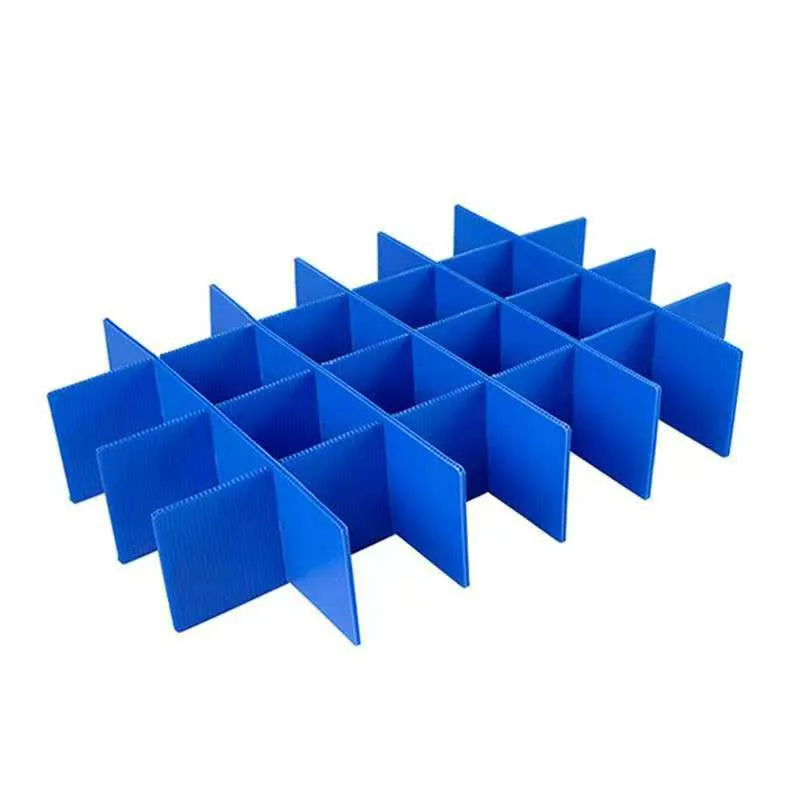
In today’s fast-paced logistics and industrial sectors, businesses are constantly seeking materials that reduce costs while maintaining product safety. Plastic corrugated sheets have emerged as a versatile, cost-effective solution. Unlike traditional cardboard or paper sheets, these durable separators withstand moisture, bending, and heavy loads, making them an indispensable asset in packaging, storage, and transport.
From electronics to food packaging, these sheets are increasingly adopted for their ability to improve efficiency, reduce damage, and support sustainability initiatives. This article explores the full spectrum of plastic corrugated sheets, including types, specifications, applications, comparisons, case studies, standards, and FAQs.
Benefits of Plastic Corrugated Sheets
Lightweight and Strong
Plastic corrugated sheets provide a high strength-to-weight ratio. A standard 4mm polypropylene sheet weighs around 1.8kg but can support up to 50kg of evenly distributed load, significantly reducing shipping costs compared to heavier alternatives like wood or metal.
Reusable and Long-Lasting
Plastic sheets can typically be reused 50–100 times depending on usage and thickness, compared to cardboard that often lasts only one cycle. Reusability contributes to long-term cost savings.
Moisture and Chemical Resistance
Polypropylene (PP) or polyethylene (PE) corrugated sheets are inherently resistant to water, oils, and many chemicals. This makes them suitable for industrial environments where humidity, spills, or chemical exposure may occur.
Easy to Clean and Maintain
Plastic corrugated sheets can be wiped down, washed, or sanitized, which is particularly valuable in food, pharmaceutical, and electronics industries where hygiene is critical.
Sustainability Advantages
Recyclable at the end of their lifecycle, these sheets support businesses’ eco-friendly initiatives. Reducing single-use paper or cardboard aligns with corporate social responsibility (CSR) and ESG goals.
Common Types and Specifications of Plastic Corrugated Sheets
Understanding material specifications ensures you select the right sheet for your applications.
| Parameter | Typical Range / Options | Notes / Application |
|---|---|---|
| Material | Polypropylene (PP), Polyethylene (PE) | Lightweight, chemical-resistant, durable |
| Thickness | 2mm – 6mm | Thicker sheets protect heavier items |
| Sheet Size | 1000×2000mm, 1200×2400mm, Custom | Customizable to fit pallets, crates, or boxes |
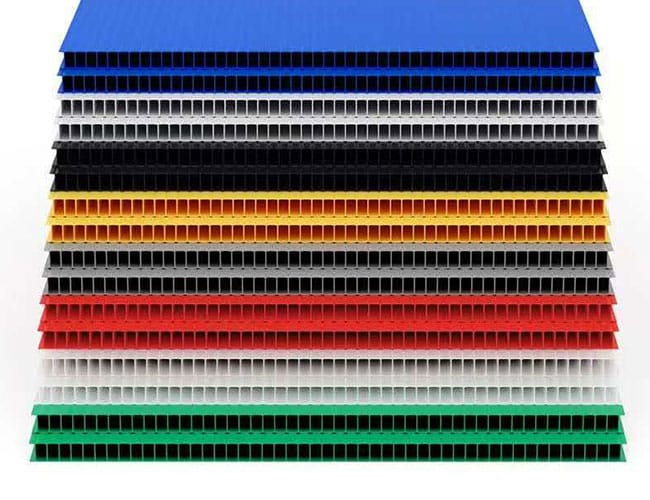
| Flute Structure | Single-wall, Double-wall, Triple-wall | Single-wall for light loads, triple-wall for heavy-duty protection |
| Weight per Sheet | 1.5kg – 6kg | Influences shipping and handling calculations |
| Color Options | Natural, Black, Blue, Red, Custom | For identification, branding, or coding |
| Surface Finish | Smooth, Textured | Textured surfaces reduce slipping and enhance stability |
| Reusability | 50+ cycles typical | Recyclable and environmentally friendly |
| Applications | Electronics, Food, Industrial, Retail | Protects products and improves logistics efficiency |
Flute Structure Explained
- Single-Wall Sheets: Ideal for lightweight items and short-term shipping.
- Double-Wall Sheets: Offers higher rigidity, suitable for medium-weight products or longer shipping routes.
- Triple-Wall Sheets: Used for heavy machinery, automotive parts, and industrial equipment.
Applications Across Industries
Plastic corrugated sheets are widely adopted across multiple sectors:
Electronics
Used as separator sheets in stacked components, they prevent scratches, dust contamination, and electrostatic damage. Industry standards like IPC/JEDEC J-STD-033 emphasize protective packaging for sensitive electronic components, where plastic corrugated sheets meet these requirements.
Food and Beverage
Sheets separate packaged goods to prevent crushing and contamination. They are compliant with FDA 21 CFR Part 177 regulations when using food-grade polypropylene.
Industrial Goods
Metal parts, automotive components, and machinery benefit from the shock absorption and scratch resistance provided by corrugated sheets. Studies indicate up to 40% reduction in surface damage compared to cardboard.
Retail and E-commerce
For warehouses and retail packaging, plastic corrugated sheets improve stacking stability, reduce breakage, and enhance presentation. E-commerce businesses report 30–50% fewer product returns when using high-quality corrugated plastic sheets.
Comparing Plastic Corrugated Sheets With Traditional Materials
Cost Comparison
| Material | Initial Cost | Reusability | Lifecycle Cost |
|---|---|---|---|
| Cardboard | Low | 1–2 cycles | Higher due to frequent replacements |
| Wood | Medium | 10–20 cycles | Moderate, but heavy and less flexible |
| Plastic Corrugated | Medium-High | 50–100 cycles | Lowest lifecycle cost due to durability |
Durability and Moisture Resistance
Plastic corrugated sheets are waterproof and chemical resistant, whereas cardboard can weaken within 24 hours of exposure to moisture.
Environmental Considerations
Plastic sheets reduce the need for single-use packaging. Recyclable sheets support modern corporate sustainability goals. Some manufacturers offer 100% recycled polypropylene sheets, further enhancing eco-friendliness.
Cost-Effective Strategies Using Plastic Corrugated Sheets
Optimize Sheet Size and Thickness
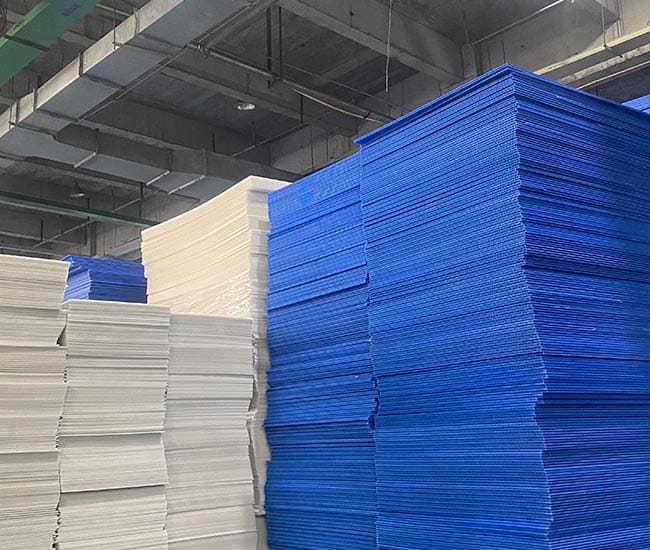
Choosing the right thickness prevents overengineering while avoiding product damage. For example, 3mm sheets are sufficient for lightweight retail goods, while 5–6mm sheets are ideal for industrial shipments.
Standardize Packaging Operations
Using uniform sheet sizes simplifies pallet stacking, improves automation in warehouses, and reduces labor costs.
Maximize Reuse
Develop a return and reuse program for plastic corrugated sheets in supply chains. Studies show businesses can achieve up to 35% cost reduction in packaging when implementing a reuse strategy.
Invest in Customization
Laser-cut or perforated sheets tailored to specific products minimize wasted space, improve load stability, and increase efficiency.
Real-World Case Studies
Electronics Manufacturer in Germany
A leading electronics supplier switched from cardboard to 4mm polypropylene corrugated sheets for component separation. Result: damage incidents dropped by 42%, shipping costs decreased by 15%, and warehouse space utilization improved by 20%.
Food Packaging Company in the U.S.
A mid-sized food distributor adopted FDA-compliant plastic corrugated sheets for pallet separation. Result: reduced product contamination incidents, sheets reused 50+ times, and annual packaging costs reduced by 25%.
Industrial Parts Supplier in China
By replacing wooden separators with triple-wall corrugated plastic sheets, the company achieved faster assembly line operations, reduced heavy-lifting injuries, and lowered packaging disposal costs.
Industry Standards and Compliance
Plastic corrugated sheets must adhere to several standards to ensure safety and performance:
- ISO 9001: Quality management for manufacturing and supply chain
- FDA 21 CFR Part 177: Food-grade material compliance
- RoHS and REACH: Restriction of hazardous substances for electronics
- ASTM D1928: Test methods for puncture resistance of plastic films
Meeting these standards ensures sheets are reliable, safe, and suitable for a wide range of industries.
Innovative Uses of Plastic Corrugated Sheets
Temporary Construction Panels
Lightweight sheets can serve as temporary flooring, wall protection, or partitioning at construction sites.
Display and Branding Applications
Custom-colored and printed sheets are increasingly used in retail stores for promotional displays or signage.
DIY and Home Projects
Plastic corrugated sheets are gaining popularity among hobbyists for craft, greenhouse, and garden applications due to durability and weather resistance.
How to Select the Right Plastic Corrugated Sheets
Assess Product Weight and Fragility
Heavier or more fragile products require thicker, double- or triple-wall sheets.
Determine Environmental Exposure
Consider humidity, chemical exposure, and storage conditions to select suitable materials.
Evaluate Cost vs. Lifecycle Savings
Initial cost may be higher, but reusable sheets reduce total cost per shipment over time.
Consider Customization Needs
Sheets can be tailored in size, color, texture, or printed with logos for operational efficiency and brand recognition.
Cost Analysis and Lifecycle Considerations
Investing in plastic corrugated sheets may seem higher initially, but lifecycle cost analysis often reveals substantial savings.
| Material Type | Average Cost per Sheet | Lifecycle (Uses) | Effective Cost per Use | Notes |
|---|---|---|---|---|
| Cardboard | $0.50 | 1–2 | $0.25–0.50 | Single-use, prone to damage |
| Wood | $5.00 | 10–20 | $0.25–0.50 | Heavy, harder to handle |
| Plastic Corrugated | $2.50 | 50–100 | $0.025–0.05 | Reusable, durable, eco-friendly |
Observation: The effective cost per use of plastic corrugated sheets is up to 90% lower than cardboard, demonstrating significant long-term savings.
Trends and Innovations in Plastic Corrugated Sheets
Smart Packaging Integration
Recent innovations include embedding RFID tags or QR codes in plastic sheets to track shipments and improve warehouse inventory management.
Eco-Friendly Material Innovations
Manufacturers are now offering 100% recycled polypropylene sheets or biodegradable blends that maintain durability while reducing environmental impact.
Multi-Functional Applications
Beyond packaging, corrugated sheets are used in architectural projects, temporary protective flooring, and greenhouse panels, demonstrating the versatility of the material.
Case Study: Automotive Industry Implementation
A global automotive parts supplier replaced cardboard separators with double-wall plastic corrugated sheets. Outcomes included:
- 35% reduction in part damage during transport
- 40% reduction in warehouse waste
- Improved stacking efficiency, allowing more pallets per shipment
The company reported a ROI within 12 months, validating the cost-effectiveness of plastic corrugated sheets for heavy-duty industrial applications.
Best Practices for Implementing Plastic Corrugated Sheets
- Evaluate Product Needs: Match sheet thickness and flute structure to product weight and fragility.
- Standardize Sizes: Consistent sheet dimensions streamline operations and reduce handling errors.
- Develop Reuse Programs: Track and cycle sheets to maximize lifecycle and reduce waste.
- Monitor Compliance: Ensure sheets meet applicable FDA, ISO, or ASTM standards for your industry.
- Train Staff: Proper handling and storage prevent unnecessary damage and extend sheet life.
Environmental and Regulatory Considerations
Plastic corrugated sheets comply with multiple environmental and industry regulations:
- ISO 9001: Ensures quality control in production.
- RoHS Compliance: Restriction of hazardous substances for electronics packaging.
- REACH Compliance: Registration and evaluation of chemicals to ensure safety.
- FDA 21 CFR Part 177: Safe for direct and indirect food contact.
Companies incorporating plastic sheets can reduce landfill waste, enhance product safety, and meet growing sustainability standards demanded by customers and regulators.
Conclusion
Plastic corrugated sheets combine durability, flexibility, cost-effectiveness, and sustainability. By replacing traditional materials like cardboard and wood, businesses can:
- Protect products more effectively during transport and storage
- Reduce packaging costs over the long term
- Support environmental goals with reusable, recyclable solutions
- Customize sheets to fit unique operational or branding needs
For industries ranging from electronics to retail and construction, investing in plastic corrugated sheets ensures long-lasting benefits, operational efficiency, and cost savings.
FAQ
What are plastic corrugated sheets primarily used for?
Plastic corrugated sheets serve as protective separators in packaging, storage, and transport, preventing damage and contamination.
How long do plastic corrugated sheets last?
Depending on thickness and handling, these sheets can last 50–100 cycles, making them a cost-effective alternative to disposable materials.
Are plastic corrugated sheets safe for food contact?
Yes, when made from FDA-compliant polypropylene or polyethylene, these sheets are safe for food packaging applications.
Can plastic corrugated sheets replace cardboard entirely?
In many industrial and commercial applications, plastic corrugated sheets can replace cardboard. They offer superior moisture resistance, durability, and reusability, which reduces total cost over time. For heavy-duty shipments, triple-wall plastic sheets outperform cardboard in preventing damage and supporting stacked loads.
How do plastic corrugated sheets support sustainability?
Plastic corrugated sheets are recyclable and designed for multiple uses. Companies implementing a reuse program reduce waste and carbon footprint. According to a 2023 whitepaper by the European Packaging Council, switching to reusable plastic sheets can cut packaging waste by up to 60% compared with single-use cardboard.
Are plastic corrugated sheets customizable for my products?
Yes. Sheets can be cut, perforated, or printed to match specific product dimensions, pallet configurations, or branding requirements. Customization improves stacking efficiency, reduces material waste, and enhances visual branding.
Can I use plastic corrugated sheets for outdoor applications?
Absolutely. UV-resistant polypropylene sheets can withstand sun exposure and moisture for outdoor storage or temporary construction applications. Some manufacturers offer UV-stabilized sheets suitable for long-term outdoor use.