Welcome to our in-depth look at high-quality plastic products and how they are transforming everyday life, industrial applications, and commercial projects. Before you dive in, stay connected with us for expert tips, industry insights, and practical solutions:
· Facebook – Join our community to ask questions and get the latest product updates
· Tiktok – Watch tutorials, installation guides, and project demonstrations
Let’s explore how durable and versatile plastic products can deliver efficiency, reliability, and long-term performance—read on to discover which solutions fit your needs best!
Table of Contents
Key Takeaways
- Modern green irrigation pipe systems improve agricultural water efficiency by 30–60% compared with traditional irrigation methods
- PE and PP materials are the two dominant solutions in agricultural pipeline systems
- PE pipes provide superior flexibility and impact resistance, while PP pipes offer higher thermal stability
- Correct material selection directly affects system lifespan, irrigation efficiency, and ROI
- Pressure rating, UV resistance, and wall thickness are key engineering design factors
- Smart irrigation technologies are accelerating global precision agriculture adoption
Introduction
Agricultural production is increasingly driven by precision water management and resource optimization. According to global agricultural water studies, irrigation accounts for nearly 70% of total freshwater consumption worldwide, making efficiency improvements a critical priority for sustainable development.
A green irrigation pipe system is a structured hydraulic distribution network designed to deliver water efficiently to crops while minimizing losses caused by evaporation, leakage, and uneven distribution. Unlike traditional open-channel irrigation, pipe-based systems provide controlled flow, consistent pressure, and improved nutrient delivery.
Modern irrigation engineering shows that pipe-based systems can reduce water loss by 40–60%, while simultaneously improving crop uniformity and yield stability across different soil conditions.
Green Irrigation Pipe Material Engineering Overview
PE Green Irrigation Pipe Systems
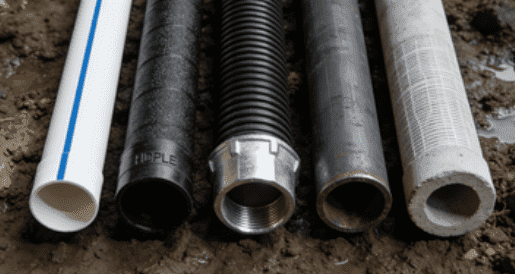
Polyethylene (PE) pipes are widely used in agricultural irrigation due to their flexibility, durability, and cost efficiency.
PE material is composed of long-chain polymer structures that provide excellent elasticity and resistance to stress cracking. This allows the pipe to adapt to ground movement, soil pressure, and installation stress without structural failure.
Key technical properties of PE irrigation pipes include density between 0.91–0.96 g/cm³, tensile strength ranging from 20–35 MPa, and operational temperature resistance from -40°C to 60°C. Pressure ratings typically range from PN4 to PN16 depending on wall thickness and application.
PE green irrigation pipe systems are widely applied in farmland irrigation networks, drip irrigation systems, and long-distance water transport pipelines due to their high adaptability and ease of installation.
PP Green Irrigation Pipe Systems
Polypropylene (PP) pipes are designed for higher temperature resistance and structural rigidity.
The molecular structure of PP provides improved thermal stability and chemical resistance, making it suitable for greenhouse agriculture and controlled irrigation environments where temperature fluctuations and fertilizer exposure are common.
Key technical properties include density between 0.90–0.92 g/cm³, tensile strength of 25–40 MPa, and operational temperature range from 0°C to 90°C. Pressure ratings generally range from PN6 to PN20.
PP irrigation systems are commonly used in greenhouse irrigation, nursery production systems, and environments requiring high thermal stability.
PE vs PP Green Irrigation Pipe Performance Comparison
| Performance Factor | PE Pipe System | PP Pipe System |
|---|---|---|
| Flexibility | Very high | Medium |
| Heat resistance | Medium | High |
| Installation difficulty | Low | Medium |
| Lifespan | 40–50 years | 30–40 years |
| Soil adaptability | Excellent | Good |
| Cost efficiency | High | Medium |
Material selection is primarily determined by environmental temperature, irrigation pressure requirements, and crop system type. PE is generally preferred for large-scale farmland irrigation, while PP is more suitable for controlled greenhouse systems.
Irrigation System Standards and Engineering Benchmarks
FAO Irrigation Efficiency Data
Global agricultural water efficiency benchmarks indicate:
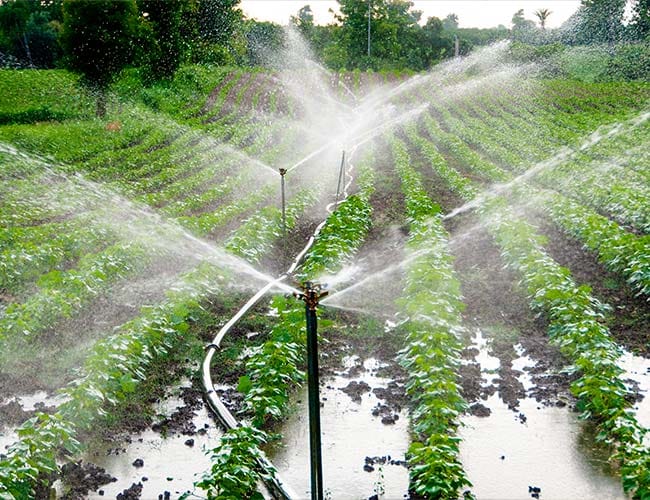
Flood irrigation systems typically operate at 40–55% efficiency, sprinkler systems at 60–75%, and drip irrigation systems at 85–95% efficiency.
Pipe-based irrigation networks significantly outperform traditional methods by reducing evaporation loss and improving water delivery accuracy.
International Standards for Irrigation Pipes
Commonly referenced standards in agricultural piping systems include ISO 4427 for polyethylene pressure systems, ISO 15874 for polypropylene systems, and ASTM D3035 for polyethylene pipe classification.
These standards define requirements for pressure resistance, dimensional stability, and long-term durability under agricultural conditions.
Green Irrigation Pipe System Design Principles
Pressure Rating Classification
Pressure rating defines the maximum operating load a pipeline can safely sustain over time.
PN4–PN6 systems are typically used in low-pressure drip irrigation, PN8–PN10 in standard agricultural irrigation networks, and PN12.5–PN16 in high-pressure sprinkler systems.
Correct pressure selection is essential to avoid pipeline rupture, uneven irrigation, and energy inefficiency.
Pipe Wall Thickness Engineering
Wall thickness directly influences mechanical strength, pressure resistance, and long-term deformation behavior.
Thicker walls improve durability and pressure capacity but increase material cost and reduce flexibility during installation.
UV Resistance Engineering
Outdoor irrigation systems require UV stabilizers to protect polymer chains from solar radiation degradation.
UV-resistant pipes maintain structural integrity over long exposure periods, reduce brittleness, and extend operational lifespan in open-field conditions.
Hydraulic Performance and Flow Optimization
Pressure Loss Engineering Concept
Hydraulic efficiency in irrigation systems depends on pipe diameter, flow velocity, and internal friction resistance.
Improper design can result in pressure drop, uneven water distribution, and reduced crop uniformity, especially in long-distance irrigation networks.
Agricultural Field Performance Example
A 50-hectare drip irrigation system using PE pipelines demonstrated measurable improvements including approximately 42% water savings, 20% energy reduction in pumping systems, and 18–25% yield increase depending on crop type and soil conditions.
Application Scenarios of Green Irrigation Pipe Systems
Large-Scale Agricultural Fields
PE pipe systems are widely used in open-field agriculture due to their flexibility, installation efficiency, and ability to adapt to uneven terrain.
Greenhouse Irrigation Systems
PP pipes are commonly used in greenhouse environments where temperature stability and chemical resistance are critical for consistent irrigation performance.
Orchard and Vineyard Irrigation
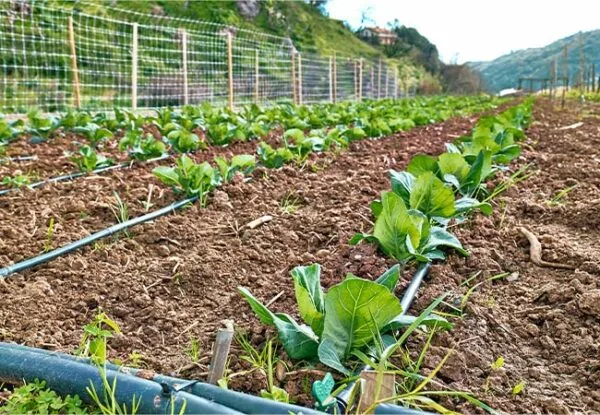
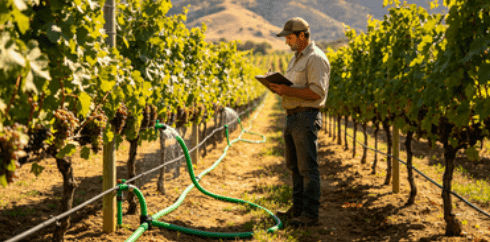
Drip irrigation systems based on PE pipes provide precise water delivery directly to the root zone, improving nutrient absorption efficiency and reducing water waste caused by evaporation.
Installation Engineering Guidelines
Pipeline Layout Optimization
Effective irrigation system design requires minimizing sharp bends, maintaining consistent pressure zones, and implementing pressure regulation devices in long pipeline networks.
Connection Technology Systems
PE systems commonly use heat fusion welding, while PP systems rely on threaded or compression fittings. Proper connection design is essential to ensure long-term sealing performance and structural stability.
Common Engineering Mistakes
Frequent installation errors include incorrect pipe diameter selection, insufficient pressure balancing, and lack of UV protection for exposed outdoor pipelines.
Maintenance and Lifecycle Optimization
Routine Maintenance Procedures
Standard maintenance includes leakage inspection, pipeline flushing to remove sediment buildup, and seasonal recalibration of system pressure levels.
Hydraulic Stability Management Concept
Proper maintenance ensures stable water distribution, reduced clogging risk in emitters, and extended service life of the entire irrigation system.
Cost Structure and ROI Analysis
| Component | Cost Share |
|---|---|
| Pipe material | 40% |
| Installation | 25% |
| Pump system | 20% |
| Accessories | 10% |
| Maintenance | 5% |
Agricultural ROI Model
Modern irrigation systems typically achieve payback within one to three growing seasons depending on crop type and system scale. Water cost reduction ranges between 30–60%, while fertilizer efficiency improvements can reach 20–35%.
Global Market Trends 2025–2026
Smart Irrigation Integration
Modern irrigation systems increasingly incorporate soil moisture sensors, automated flow control valves, and IoT-based monitoring systems to achieve precision agriculture.
Agricultural Water Policy Development
Many regions are introducing water quota systems, irrigation efficiency subsidies, and sustainability incentives to encourage adoption of advanced irrigation technologies.
Sustainable Polymer Innovation
Industry development trends include recyclable polyethylene materials, low-carbon polypropylene production processes, and research into bio-based agricultural polymers.
Conclusion
Green irrigation pipe systems represent a core infrastructure technology in modern agriculture. Through advanced PE and PP polymer engineering, these systems enable highly efficient water distribution, reduce operational costs, and support long-term agricultural sustainability.
As global agriculture continues shifting toward smart farming and precision irrigation, selecting the appropriate pipe system becomes a critical engineering decision that directly impacts productivity, resource efficiency, and environmental sustainability.
FAQ
What is a green irrigation pipe used for?
It is used for efficient water distribution in agricultural irrigation systems such as drip irrigation, sprinkler irrigation, and greenhouse cultivation.
Which is better, PE or PP irrigation pipe?
PE is better for flexibility and field use, while PP is more suitable for high-temperature greenhouse environments.
How long do irrigation pipes last?
PE pipes typically last 40–50 years, while PP pipes last 30–40 years depending on operating conditions.
Can irrigation pipes handle high pressure?
Yes, depending on their pressure rating (PN class), they can support both low and high-pressure irrigation systems.
Are green irrigation pipes environmentally friendly?
Yes, they significantly reduce water waste and improve irrigation efficiency, supporting sustainable agriculture practices.