Welcome to our in-depth look at high-quality plastic products and how they are transforming everyday life, industrial applications, and commercial projects. Before you dive in, stay connected with us for expert tips, industry insights, and practical solutions:
· Facebook – Join our community to ask questions and get the latest product updates
· Tiktok – Watch tutorials, installation guides, and project demonstrations
Let’s explore how durable and versatile plastic products can deliver efficiency, reliability, and long-term performance—read on to discover which solutions fit your needs best!
Table of Contents
Replacing a water line involves far more than purchasing new pipe. Excavation, fittings, permits, testing, surface restoration, and project delays can all increase the final bill.
Key takeaways:
- Pipe material is only one part of the total replacement cost.
- Excavation and surface restoration may cost more than the pipe itself.
- Diameter, pressure rating, route length, and site access affect labor and equipment requirements.
- Fittings, valves, testing, transportation, and waste disposal should appear in the budget.
- Comparing quotations by total installed cost is more reliable than comparing price per meter.
- Correct planning and material selection can reduce future maintenance expenses.
What Is the Real Cost to Replace Water Supply Pipe?
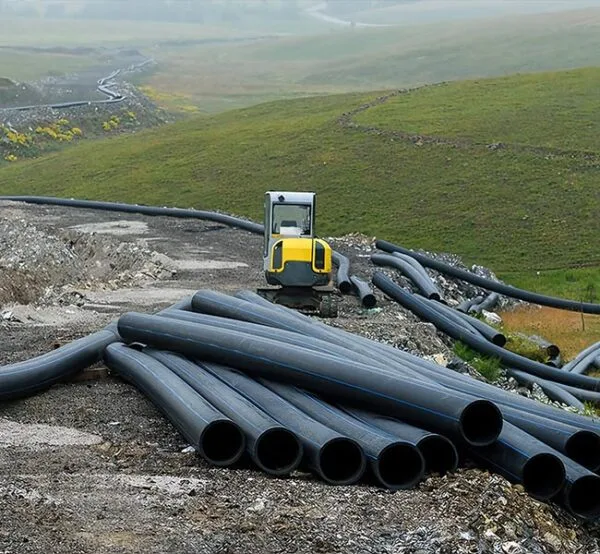
The cost to replace water supply pipe depends on the complete scope of work, not simply the price of the new material. A realistic estimate should include removal of the old line, site preparation, installation, connection, testing, and restoration.
For a small residential project, the total may range from a few thousand dollars to well over $10,000. Municipal, agricultural, commercial, and industrial projects require separate calculations because pipe diameter, pressure, excavation depth, and installation conditions vary considerably.
Why Price per Meter Can Be Misleading
Pipe price per meter is useful when comparing materials, but it does not represent the installed cost. A lower-priced pipe may require more joints, special equipment, additional protection, or more frequent future maintenance.
Buyers should therefore compare the lifecycle cost of the complete system. This approach considers installation efficiency, expected service life, energy use, leakage risk, and maintenance requirements.
Hidden Water Pipe Costs Before Installation
Several expenses arise before the first section of pipe reaches the trench. Ignoring these preliminary activities can make an early estimate appear unrealistically low.
Site Survey and Pipe Route Planning
A survey helps determine the route length, elevation changes, soil conditions, existing utilities, and accessible working areas. Difficult terrain or an unclear underground layout may require additional inspection, detection, or engineering work.
Underground Utility Location
Buried electricity, gas, communication, sewer, and existing water lines must be identified before excavation. In the United States, project owners and contractors can use the official 811 before-you-dig service to request utility marking.
Utility detection may not be a major material expense, but it affects scheduling and risk control. Accidentally damaging an existing service can cause delays, repairs, penalties, and serious safety hazards.
Engineering and System Design
Larger water supply systems may require hydraulic calculations, pressure analysis, drawings, and approval from an engineer or local authority. These services help determine the correct diameter, pressure class, connection method, and valve arrangement.
Undersizing a line can reduce flow and increase pressure loss. Oversizing it unnecessarily can increase material, excavation, fitting, and transportation costs.
Permits and Inspection Fees
Local authorities may require excavation permits, road-opening permits, plumbing approvals, traffic-management plans, or final inspections. Requirements vary by country, city, project type, and ownership boundary.
Before calculating the cost to replace water supply pipe, confirm who is responsible for the section between the public main, property boundary, meter, and building.
Hidden Costs During Pipe Replacement
Installation conditions often create the largest difference between an initial estimate and the final invoice. Labor productivity can change quickly when crews encounter rock, groundwater, restricted access, or unidentified services.
Excavation and Trench Protection
The cost of excavation depends on trench length, width, depth, soil type, machinery access, and disposal requirements. Hard soil, rock, unstable ground, or deep installation can increase both working time and equipment use.
Trench safety is also a genuine project cost. The Occupational Safety and Health Administration explains that excavation work may require safe access, inspections, and protective systems depending on trench conditions and depth.
Dewatering
Groundwater or rainwater can collect inside an open trench. Pumps, drainage channels, temporary storage, and extra labor may be needed to keep the installation area usable.
Shoring and Shielding
Unstable soil may require sloping, shoring, or trench boxes. These measures should be included in the planned cost rather than treated as an optional expense.
Removal and Disposal of Old Pipe
Some projects leave the abandoned pipe in place, while others require full removal. Removal adds cutting, lifting, handling, transportation, and disposal costs.
Older lines may also contain materials that require controlled handling. For example, the U.S. Environmental Protection Agency identifies lead as a toxic metal that can create serious health risks, making proper assessment important when older plumbing materials are present.
Fittings, Valves, and Connection Components
Straight pipe normally represents only part of the material order. A complete system may also need elbows, tees, reducers, couplings, flanges, valves, adaptors, end caps, gaskets, fasteners, and transition fittings.
The number and type of connections depend on the route and the existing network. Buyers can review Zenlink’s plastic pipes and pipe fitting range when planning a coordinated system rather than purchasing pipe in isolation.
Specialized Installation Equipment
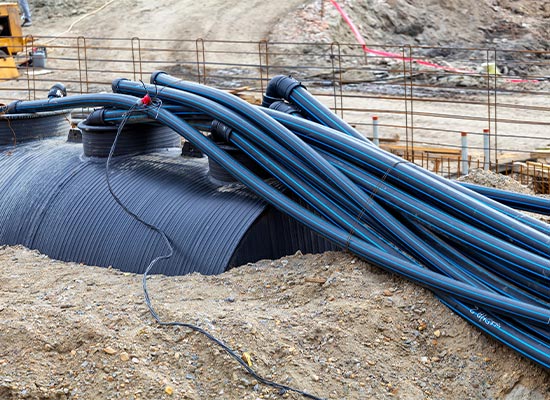
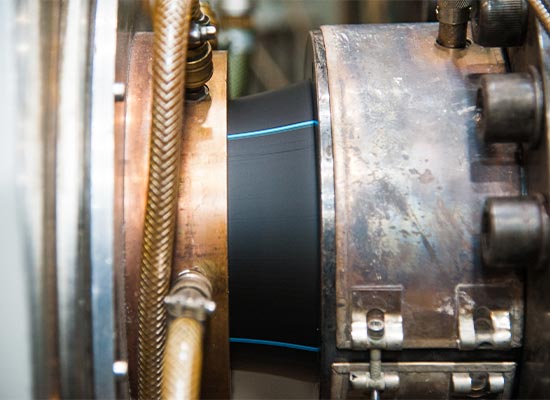
Different materials require different joining processes. PE and HDPE systems may need butt-fusion or electrofusion equipment, trained operators, pipe rollers, clamps, scrapers, and generators.
Equipment rental, mobilization, calibration, and operator time can affect the cost to replace water supply pipe. However, a well-designed fused system can reduce the number of mechanical joints and potential leakage points.
Cost Comparison: What Changes the Final Budget?
The following figures are general planning references rather than fixed quotations. Actual prices depend on location, labor rates, diameter, pressure class, quantity, and site conditions.
| Cost factor | Lower-cost condition | Higher-cost condition | Commonly missed expense |
|---|---|---|---|
| Pipe route | Short and straight | Long route with many turns | Extra fittings and pipe waste |
| Site access | Open ground with machine access | Narrow, indoor, or congested area | Manual handling |
| Ground condition | Stable, soft soil | Rock or unstable soil | Breaking and shoring equipment |
| Installation depth | Shallow installation | Deep trench | Trench protection and dewatering |
| Surface type | Unfinished soil | Concrete, asphalt, or landscaping | Cutting and restoration |
| Pipe system | Standard diameter and pressure | Large diameter or high pressure | Specialized joining equipment |
| Existing services | Clearly mapped | Unknown or congested | Detection and careful excavation |
| Project location | Near suppliers and crews | Remote project site | Freight, accommodation, and mobilization |
| Commissioning | Basic pressure test | Regulated water system | Sampling, disinfection, and certification |
Open-Trench vs Trenchless Replacement
Open-Trench Installation
Open-trench replacement provides direct access to the entire pipe route. It is often practical in undeveloped areas, agricultural land, and locations where surface disruption is acceptable.
Its hidden costs include excavation, soil removal, traffic control, trench safety, backfilling, compaction, and surface reconstruction.
Trenchless Installation
Trenchless methods can reduce the amount of surface excavation. They may be attractive under roads, driveways, landscaped areas, or busy facilities.
However, specialized machinery, launch pits, site assessment, and contractor availability may increase the initial price. The better choice depends on total project impact rather than installation price alone.
| Comparison point | Open trench | Trenchless method |
|---|---|---|
| Surface disturbance | High | Usually lower |
| Equipment specialization | Moderate | High |
| Access to old pipe | Direct | Limited |
| Suitability for complex routes | Often better | Depends on method |
| Restoration cost | Potentially high | Often lower |
| Initial contractor cost | Often lower | Often higher |
| Best suited for | Open or accessible sites | Roads and finished surfaces |
Pipe Material and Long-Term Replacement Cost
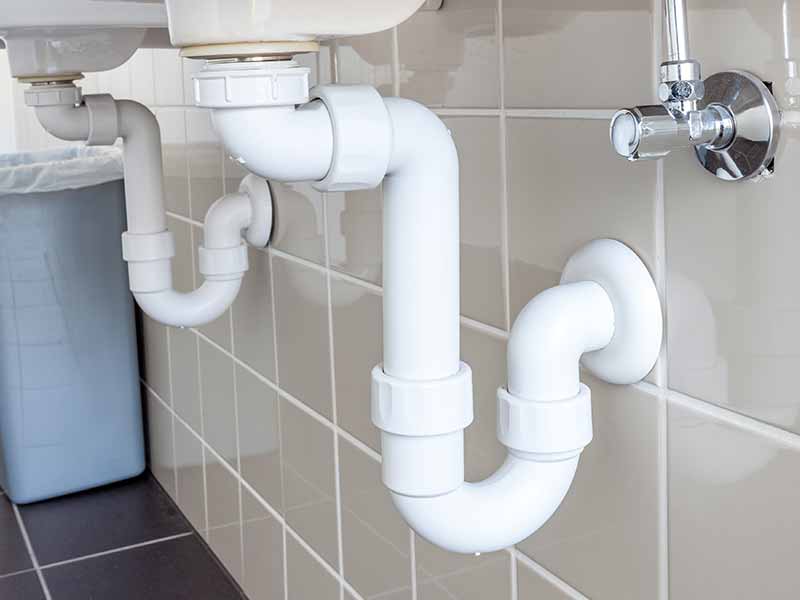
Material selection affects purchase price, installation speed, corrosion resistance, joint reliability, and maintenance frequency. The least expensive initial option does not always produce the lowest long-term cost.
PE and HDPE Water Pipe
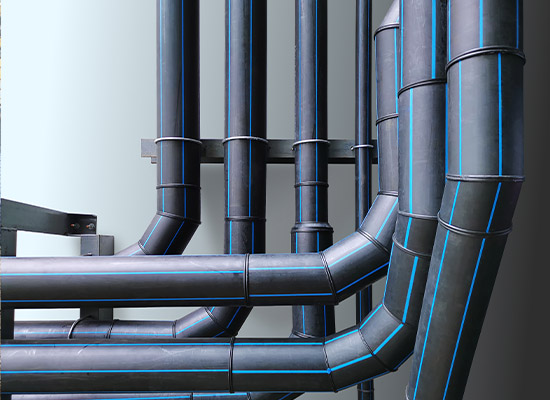
PE and HDPE pipes are widely used in municipal water, construction, irrigation, and industrial systems. Their flexibility, corrosion resistance, and fusion-joint capability can support efficient installation in suitable applications.
Zenlink provides customizable PE and HDPE pipe solutions for projects with different diameter, pressure, and application requirements.
Metal Pipe Systems
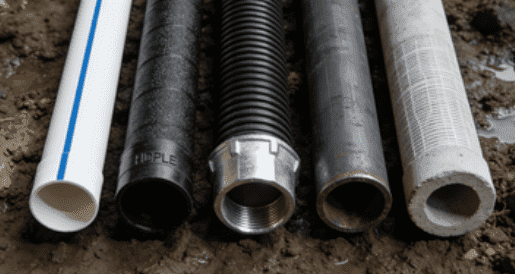
Copper, ductile iron, and other metal systems can offer strength and established installation practices. Their cost may increase due to material pricing, weight, corrosion protection, handling, and the number of mechanical connections.
PPR and Other Plastic Systems
PPR and related plastic piping systems are frequently considered for building water distribution. Temperature, pressure, water quality, code requirements, and joining methods should all be checked before selection.
Material Compatibility
New pipe must be compatible with existing valves, branches, equipment, and connection points. Transition fittings can add cost, especially when the old and new systems use different materials or dimensions.
Surface Restoration: The Cost Buyers Forget Most Often
After a pipe passes its pressure test, the site still needs to be restored. Backfilling alone is rarely the end of the project.
Roads and Concrete Surfaces
Cutting and rebuilding asphalt, concrete, sidewalks, floors, or curbs may become a major budget item. Traffic control and phased construction can add further expense in public or commercial areas.
Landscaping and Agricultural Land
Lawns, trees, irrigation zones, fences, and planted areas may need protection or reconstruction. Agricultural projects should also consider crop disruption and restricted field access.
For larger water-management projects, Zenlink’s water conservancy solutions provide relevant context for irrigation, drainage, and water transportation planning.
Interior Finishes
When water pipes run through walls, ceilings, or floors, replacement may require demolition and later repair. Painting, tiling, cabinetry, insulation, and cleaning should be included in the estimate.
How Can Buyers Control the Cost to Replace Water Supply Pipe?
Cost control begins with a clearly defined technical specification. Suppliers and contractors cannot prepare comparable quotations if each bidder assumes a different diameter, pressure class, route, connection method, or scope of restoration.
Prepare a Complete Request for Quotation
A useful request should include:
- Pipe material and applicable standard
- Outside diameter and wall thickness
- Pressure rating
- Total required length
- Types and quantities of fittings
- Valve and connection requirements
- Water type and operating temperature
- Installation environment
- Packaging and delivery destination
- Testing and documentation requirements
Request an Itemized Quotation
Ask contractors to separate pipe, fittings, excavation, joining, testing, disposal, permits, and restoration. Itemization makes hidden exclusions easier to identify and helps buyers compare competing offers fairly.
Include a Contingency Allowance
Unknown ground conditions, damaged connections, route changes, and weather delays can affect the final cost to replace water supply pipe. A reasonable contingency should be based on the project’s uncertainty rather than added as an arbitrary percentage.
Plan the Complete Pipe System
Purchasing matched pipes and fittings can simplify installation and reduce compatibility problems. Zenlink’s plastic product solutions cover construction, agricultural, industrial, and infrastructure applications where coordinated material selection is important.
How to Compare Water Pipe Replacement Quotes
Two quotations with different totals may not cover the same work. The lowest offer may exclude permits, disposal, testing, fittings, or surface repair.
Compare Scope Before Price
Check where the replacement begins and ends, who supplies each component, and which party restores the site. Confirm whether taxes, freight, equipment mobilization, and inspection fees are included.
Compare Service Life and Maintenance
A higher initial price may be reasonable if the system offers fewer corrosion concerns, fewer joints, simpler maintenance, or a longer expected operating life. Buyers should evaluate cost per year of service instead of purchase price alone.
Questions to Ask a Pipe Supplier
Ask whether the supplier can provide dimensional information, pressure ratings, compatible fittings, product documentation, packaging details, and installation guidance. For project-specific support, buyers can learn more about Zenlink’s plastic pipe manufacturing capabilities.
Final Thoughts
The visible pipe price is only the starting point of a replacement budget. Site investigation, engineering, excavation, fittings, joining, safety controls, testing, disposal, and surface restoration can substantially change the final cost to replace water supply pipe.
A stronger purchasing decision comes from comparing complete installed systems, not isolated prices per meter. Define the technical requirements, request itemized quotations, verify exclusions, and consider long-term maintenance before approving the project.
FAQ
How much does it cost to replace a main water supply pipe?
There is no single fixed price. Route length, diameter, material, excavation depth, labor rates, permits, fittings, and surface restoration determine the final amount. An on-site assessment and itemized quotation provide a more reliable answer than a national average.
Why is water line replacement so expensive when the pipe is affordable?
The pipe may represent a relatively small share of the completed project. Excavation, labor, equipment, safety measures, connections, testing, disposal, and restoration can exceed the material cost.
Does homeowners insurance cover a broken water supply pipe?
Coverage depends on the policy, the cause of failure, and whether the damaged line is inside or outside the insured structure. Property owners should ask their insurer about both pipe repair and damage caused by escaping water.
Is it cheaper to repair a leaking section or replace the complete pipe?
A local repair usually costs less initially. Complete replacement may offer better value when the line has repeated leaks, widespread corrosion, unsuitable material, insufficient capacity, or multiple weak connections.
Can I replace a water supply pipe without digging up the whole yard?
Possibly. Pipe bursting, directional drilling, and other trenchless methods can reduce surface excavation in suitable conditions. A contractor must assess the old pipe, soil, route, access, and nearby utilities before recommending a method.
Which material gives the lowest long-term cost?
The answer depends on pressure, temperature, water quality, installation conditions, local codes, and required service life. PE or HDPE may offer advantages where flexibility, corrosion resistance, and fused joints are important, but every project needs technical verification.
Are fittings included in the quoted pipe price?
Not always. Buyers should confirm whether couplings, tees, elbows, reducers, valves, transition fittings, gaskets, and joining accessories are included or priced separately.
How can I estimate the cost to replace water supply pipe for a commercial project?
Start with a route survey and a material schedule. Then obtain separate figures for pipe and fittings, freight, excavation, installation, testing, permits, downtime, and restoration. Commercial buyers should also calculate the financial effect of interrupting water service.