Welcome to our in-depth look at high-quality plastic products and how they are transforming everyday life, industrial applications, and commercial projects. Before you dive in, stay connected with us for expert tips, industry insights, and practical solutions:
· Facebook – Join our community to ask questions and get the latest product updates
· Tiktok – Watch tutorials, installation guides, and project demonstrations
Let’s explore how durable and versatile plastic products can deliver efficiency, reliability, and long-term performance—read on to discover which solutions fit your needs best!
Table of Contents
Key Highlights of This Guide
- Deep technical explanation of what is pe piping in engineering systems
- ISO, ASTM, EN international pipe standards breakdown
- HDPE/MDPE/LDPE performance engineering comparison
- Global infrastructure applications in water, gas, mining, and irrigation
- Pressure rating system (PN classification) explained
- Installation methods including fusion welding technology
- Real-world case studies from municipal and industrial projects
- Lifecycle cost and ROI analysis for infrastructure investors
Introduction
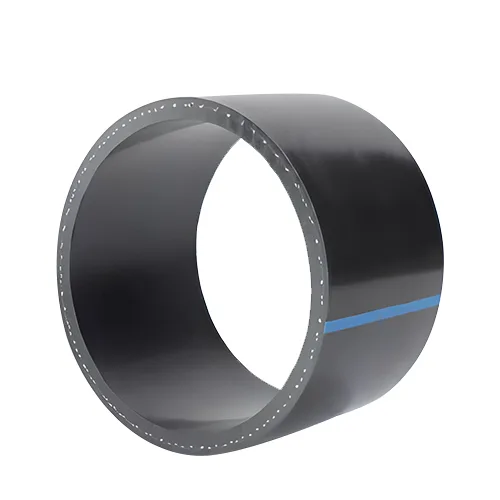
Understanding what is pe piping is essential for modern civil engineering, municipal infrastructure, and industrial fluid systems. PE piping, short for polyethylene piping, is one of the most widely adopted thermoplastic pipeline solutions in the world due to its corrosion resistance, flexibility, and long service life.
Global infrastructure reports show that polyethylene pipes now account for a significant share of new water and gas distribution networks, especially in Europe, China, and the Middle East. The reason is simple: compared to metal piping systems, PE piping reduces leakage rates, installation cost, and long-term maintenance requirements.
Modern PE piping systems are not just materials—they are engineered pipeline networks designed according to strict international standards such as ISO 4427 and ASTM F714.
What Is PE Piping Material Engineering Structure
Polymer Science Concept in PE Piping
Polyethylene is a thermoplastic polymer formed from ethylene monomers.
Molecular Structure Concept
- Long-chain hydrocarbon structure
- Semi-crystalline polymer phase
- High molecular weight HDPE variants for pressure systems
Engineering Meaning
The molecular structure determines:
- Tensile strength
- Flexibility
- Stress crack resistance
What Is PE Piping Classification and Industry Grades
HDPE Pipe Engineering System Concept
High-Density Polyethylene Structure
HDPE is the most widely used form in infrastructure projects.
Key Engineering Properties
- Density: 0.941–0.965 g/cm³
- Tensile strength: 20–37 MPa
- Long-term hydrostatic strength (LTHS) certified
Application Insight
Used in:
- Municipal water supply
- Gas distribution networks
- Industrial slurry pipelines
MDPE Pipe System Concept
Medium-Density Engineering Balance
MDPE provides a balance between flexibility and strength.
Usage Scenarios
- Natural gas distribution
- Medium-pressure pipelines
- Urban infrastructure systems
LDPE Pipe System Concept
Low-Density Flexibility Model
LDPE is softer and more flexible.
Application Fields
- Agricultural irrigation
- Low-pressure fluid systems
- Temporary water supply networks
What Is PE Piping Standards and Certifications
ISO 4427 Standard for PE Piping Systems
International Water Supply Standard
ISO 4427 defines polyethylene pipes for water systems.
Key Requirements
- Pressure classification system (PN ratings)
- Material testing requirements
- Long-term hydrostatic performance
ASTM F714 Standard (USA)
Engineering Compliance System
ASTM standards define dimensional and performance requirements.
Focus Areas
- Pipe dimension accuracy
- Pressure testing
- Material composition validation
EN 12201 Standard (Europe)
European Infrastructure Compliance
Widely used in EU water and gas systems.
What Is PE Piping Pressure Rating System
PN Classification Concept
Pressure Rating Explanation
| Class | Pressure (bar) | Application |
|---|---|---|
| PN6 | 6 bar | Irrigation systems |
| PN10 | 10 bar | Municipal water |
| PN16 | 16 bar | Industrial water systems |
| PN20 | 20 bar | High-pressure systems |
Engineering Concept: Stress Distribution
Pipe thickness increases with pressure class to maintain structural integrity.
What Is PE Piping Installation Engineering Process
Fusion Welding Technology Concept
Heat Fusion System
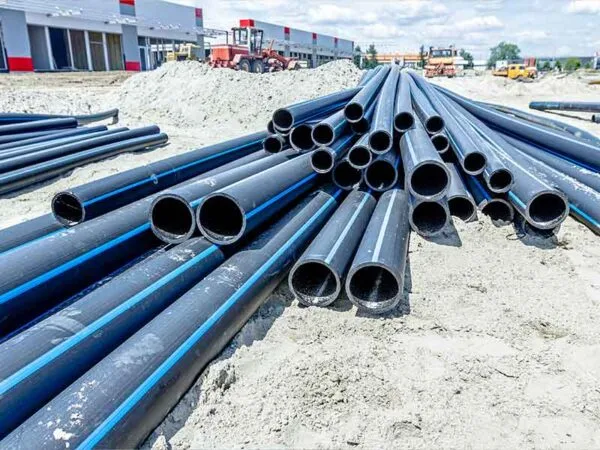
PE pipes are joined using thermal fusion instead of mechanical joints.
Types of Fusion
- Butt fusion welding
- Electrofusion welding
- Socket fusion welding
Engineering Advantage
Creates a homogeneous pipeline with no leakage points.
Trench Installation System Concept
Underground Engineering Model
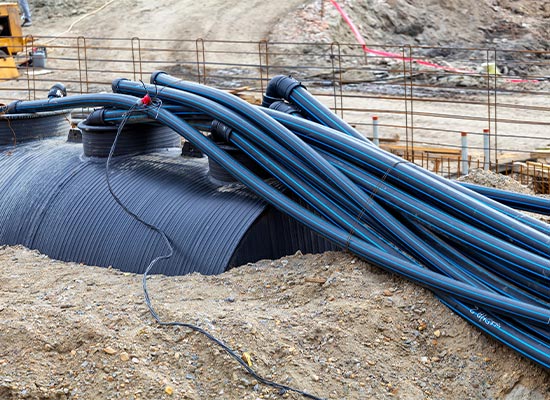
PE pipes are commonly installed underground.
Key Requirements
- Sand bedding support layer
- Controlled backfill compaction
- Thermal expansion allowance
What Is PE Piping Performance Engineering Characteristics
Stress Crack Resistance Concept
Long-Term Durability Factor
PE pipes are resistant to slow crack growth.
Engineering Importance
Prevents catastrophic pipeline failure over decades of use.
Chemical Resistance Concept
Corrosion-Free Performance
PE pipes resist:
- Acids
- Alkalis
- Salt solutions
Temperature Performance Concept
Operating Range
- Typical range: -40°C to +60°C
- Short-term tolerance: higher peaks possible
What Is PE Piping vs Other Pipeline Systems
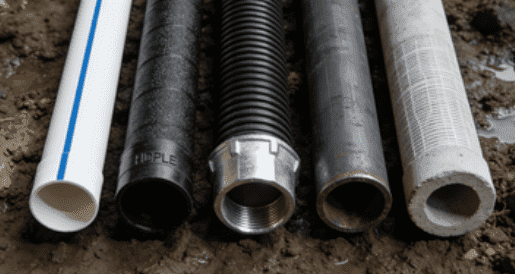
PE Pipe vs Steel Pipe
Corrosion Resistance Comparison
| Feature | PE Pipe | Steel Pipe |
|---|---|---|
| Corrosion | None | High risk |
| Weight | Lightweight | Heavy |
| Lifespan | 50+ years | 15–30 years |
PE Pipe vs Copper Pipe
Cost and Application Logic
Copper is more expensive and used in limited applications.
PE Pipe vs Concrete Pipe
Structural Difference
Concrete pipes are rigid and heavy, used in drainage systems.
What Is PE Piping Applications in Global Projects
Municipal Water Supply Systems
Urban Infrastructure Concept
PE piping reduces leakage rates in city water systems.
Case Insight
Many European cities have replaced aging metal pipelines with HDPE systems to reduce water loss.
Natural Gas Distribution Systems
Safety Engineering Concept
MDPE pipes are widely used for gas transport.
Advantage
High resistance to cracking under environmental stress.
Mining Industry Slurry Transport
Heavy-Duty Industrial Application
PE pipes transport abrasive materials like slurry and tailings.
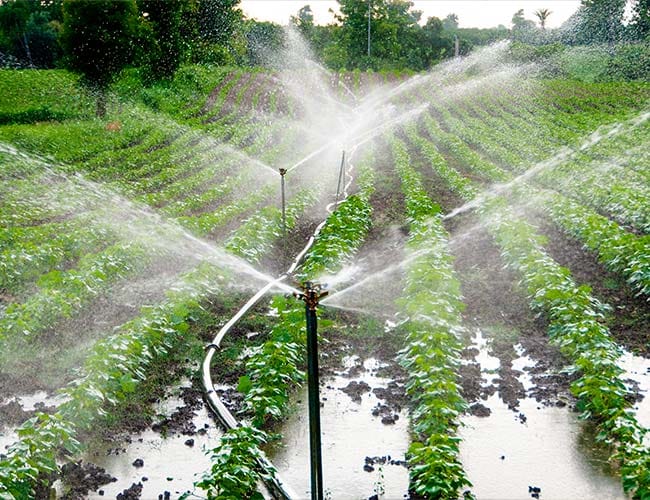
Agricultural Irrigation Systems
Efficient Water Delivery Model
Used in drip irrigation and sprinkler systems.
What Is PE Piping Failure Analysis
Joint Failure Concept
Welding Defect Risks
Improper fusion can cause leakage points.
UV Degradation Concept
Outdoor Exposure Risk
Long-term UV exposure can degrade surface unless protected.
Mechanical Stress Concept
Ground Movement Impact
Improper installation can lead to deformation under soil pressure.
What Is PE Piping Lifecycle and ROI Model
Infrastructure Investment Concept
Lifecycle Expectation
- Expected lifespan: 50+ years
- Maintenance cost: extremely low
ROI Insight
Lower leakage + lower maintenance = higher infrastructure ROI over time.
Global Market Trends for PE Piping
Industry Growth Concept
Global demand for PE piping is increasing due to:
- Urbanization
- Water scarcity management
- Infrastructure modernization
Case Studies of PE Piping Applications
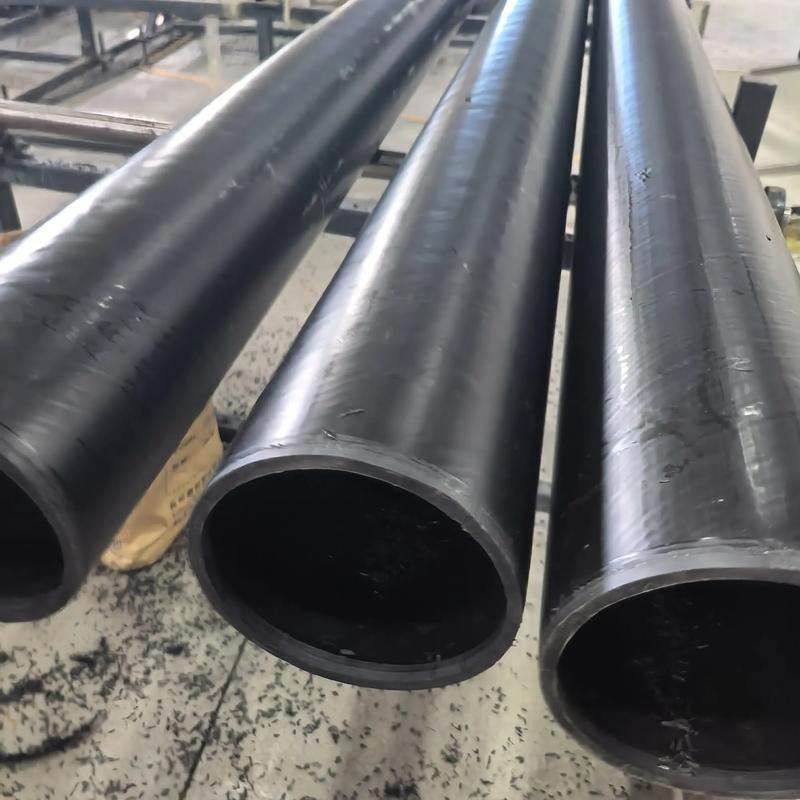
Case 1: European Water Network Upgrade
Project Insight
Old steel pipelines replaced with HDPE systems.
Result
- Leakage reduced significantly
- Maintenance cost lowered
Case 2: Middle East Desalination Distribution
Engineering Challenge
High salinity water transport systems.
Solution
HDPE pipes used due to corrosion resistance.
Case 3: Asia Mining Slurry Transport
Industrial Application
High-abrasion slurry pipelines.
FAQ
What is PE piping used for?
Used in water supply, gas distribution, irrigation, and industrial systems.
Is PE piping better than steel?
Yes, in corrosion resistance and long-term maintenance cost.
How long does PE piping last?
Typically more than 50 years with proper installation.
Can PE piping handle high pressure?
Yes, depending on PN classification (up to PN20+ systems).
Is PE piping safe for drinking water?
Yes, certified HDPE systems meet potable water standards.
Conclusion
Understanding what is pe piping is essential for engineers, contractors, and infrastructure planners.
PE piping systems offer a combination of:
- Long service life
- High corrosion resistance
- Flexible installation
- Low lifecycle cost
As global infrastructure continues to modernize, PE piping will remain a core material in water, gas, and industrial pipeline systems worldwide.